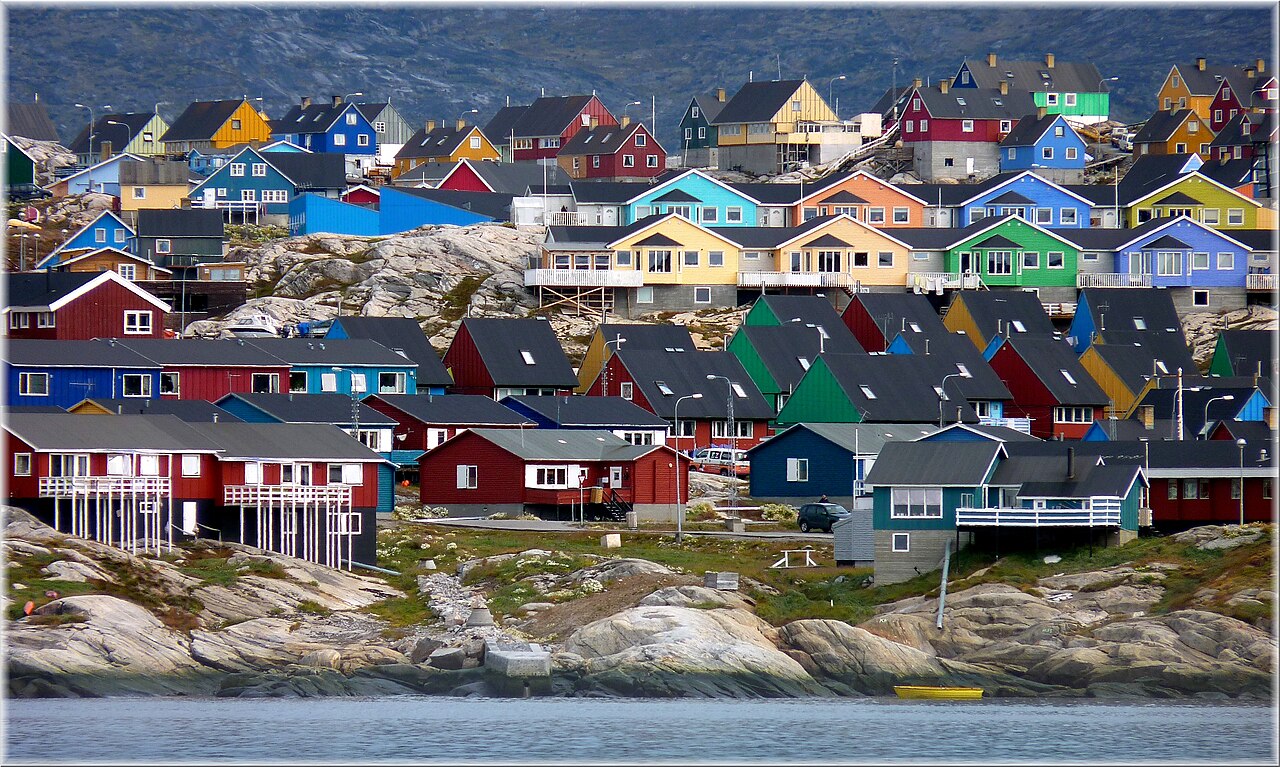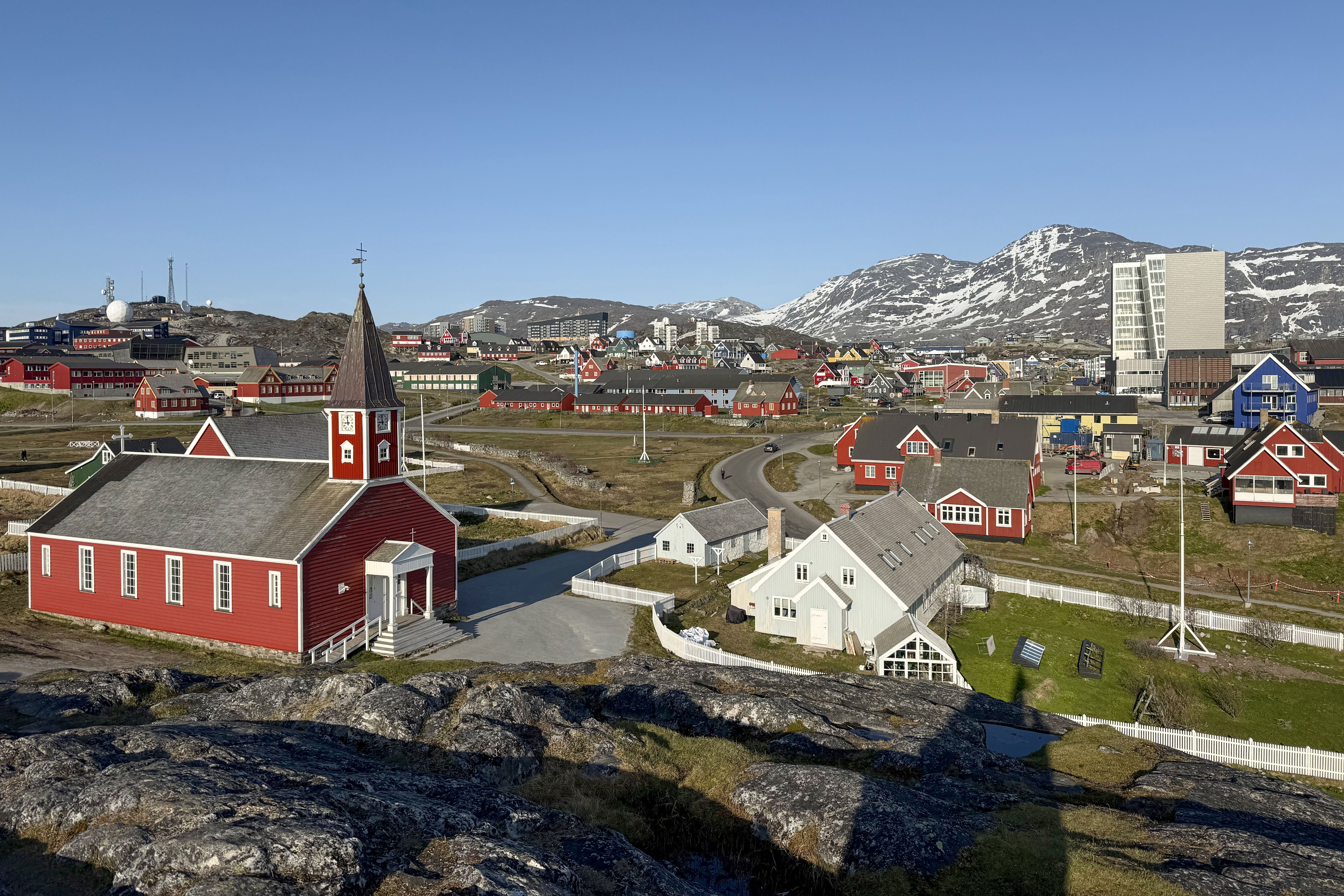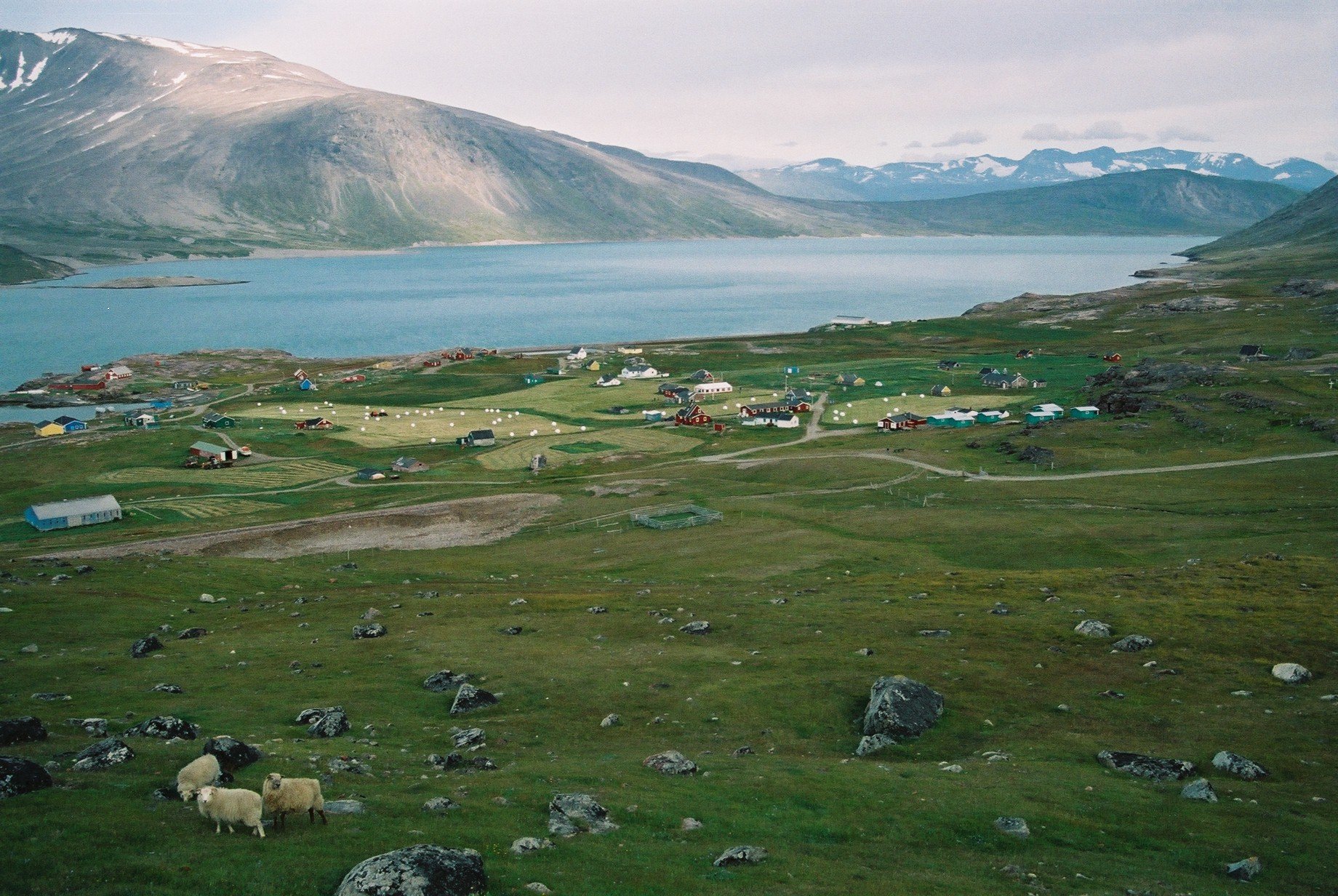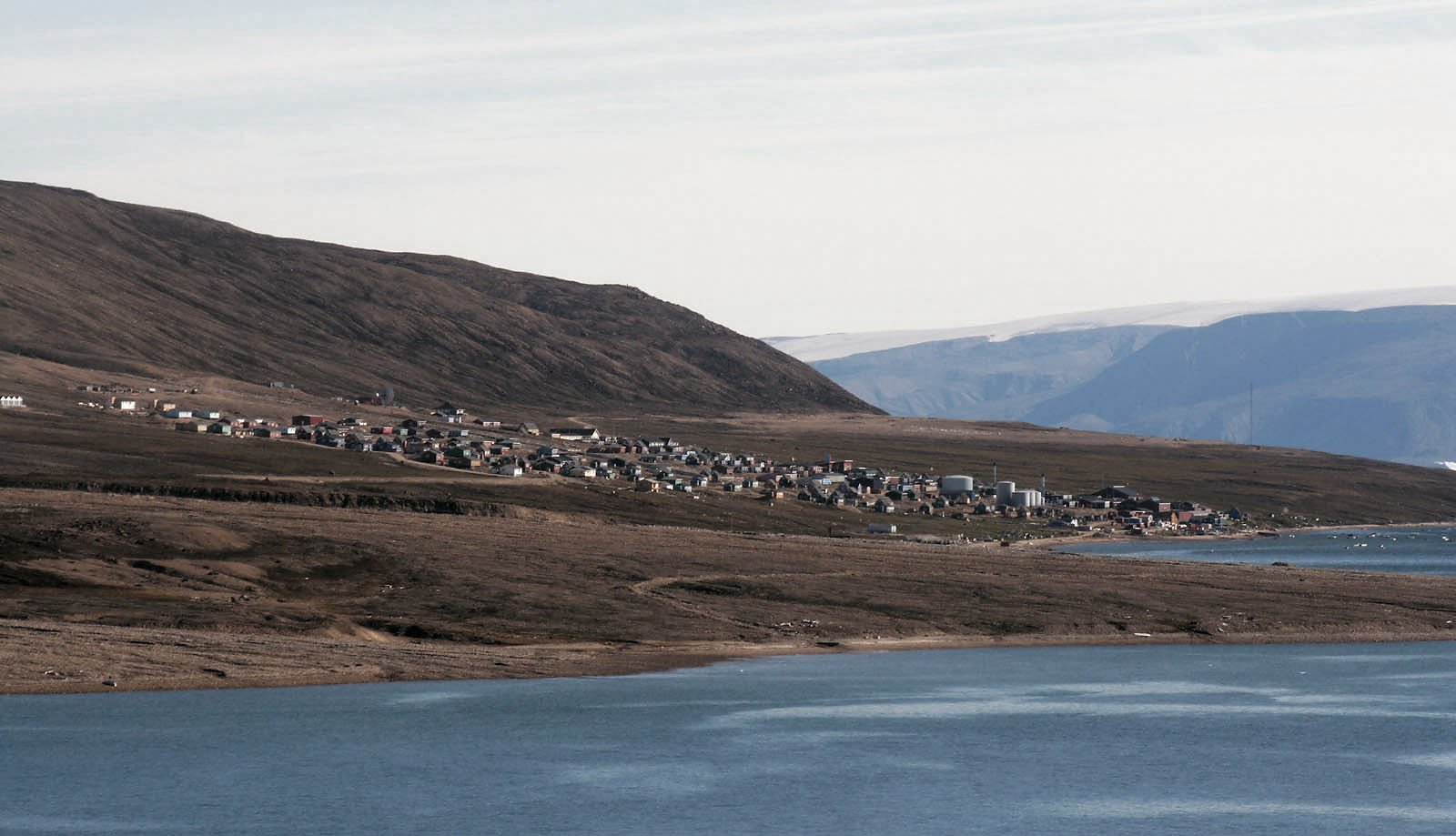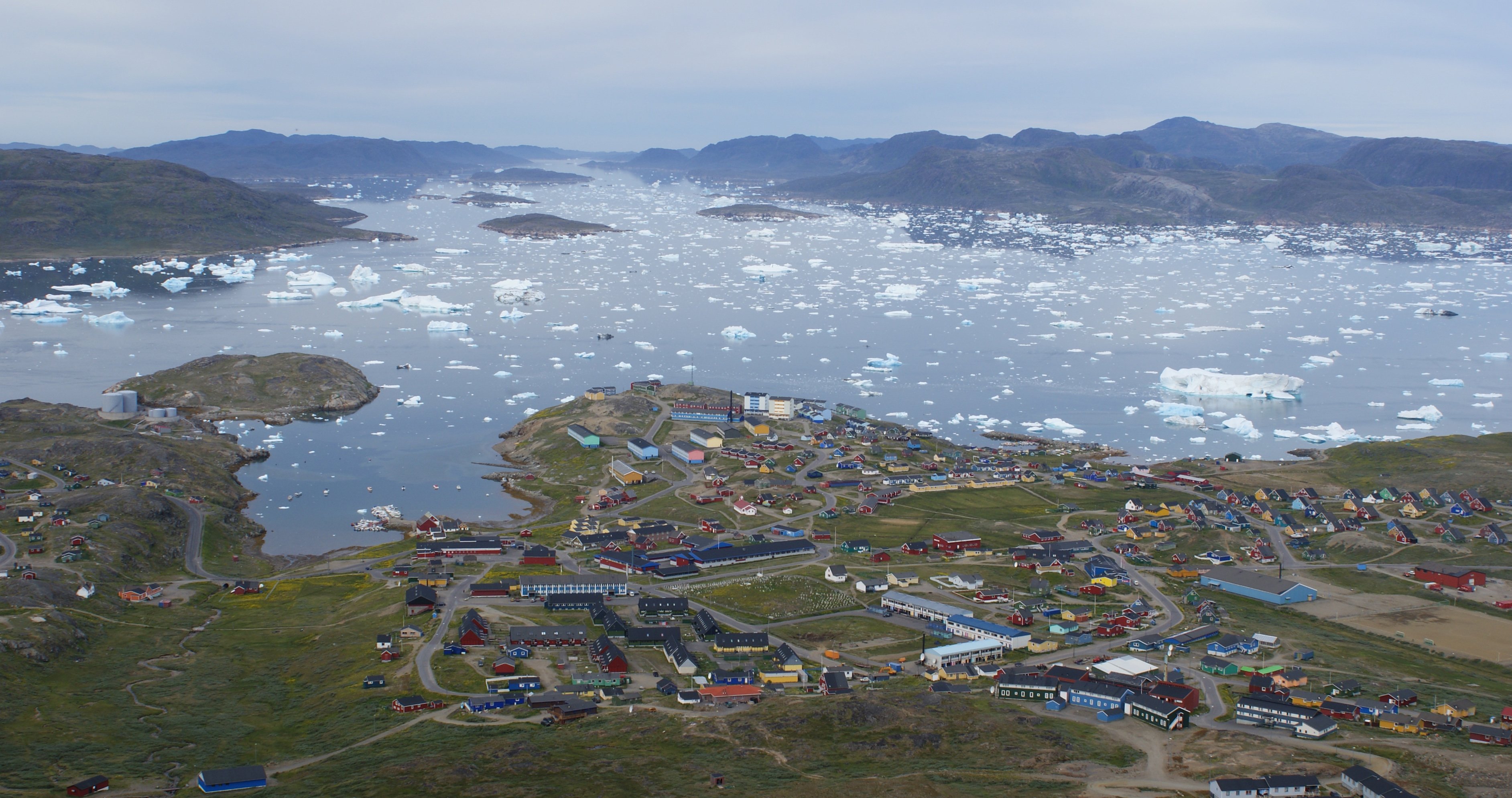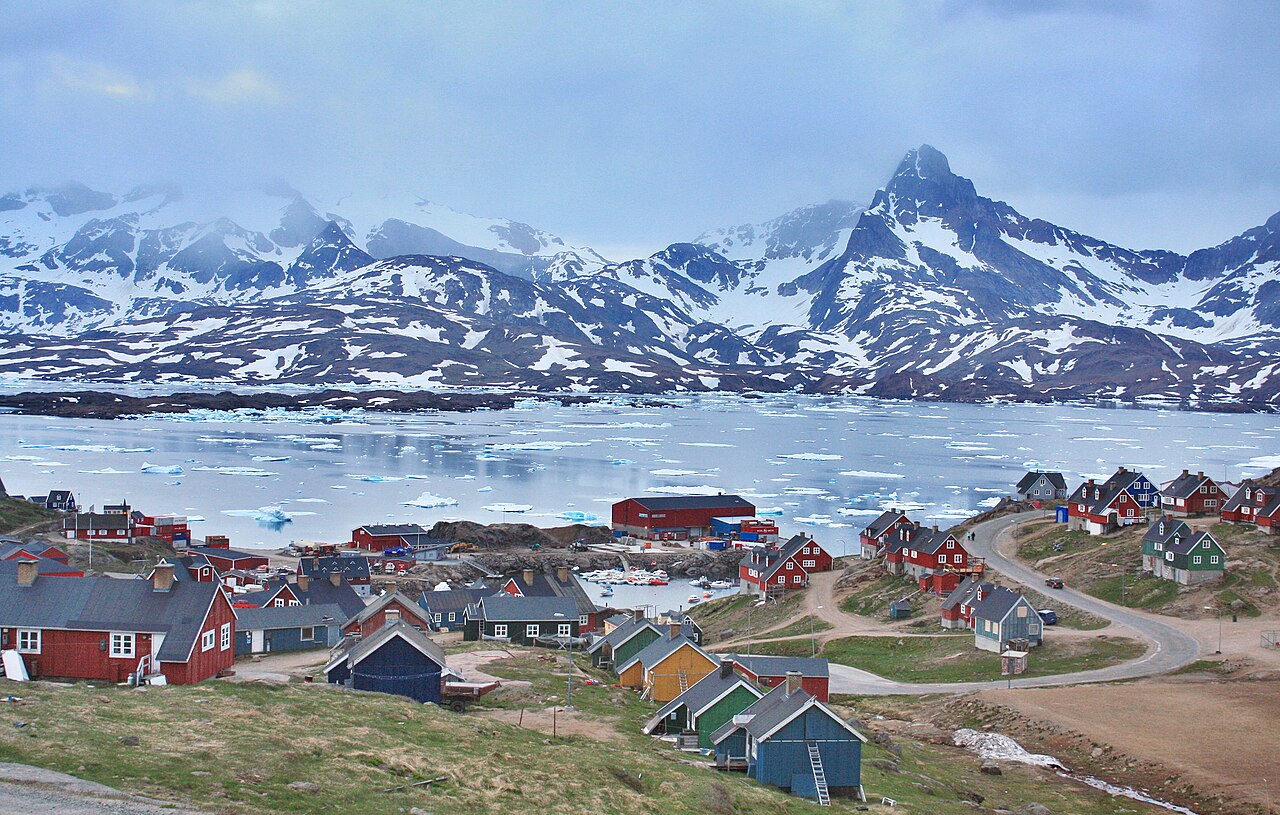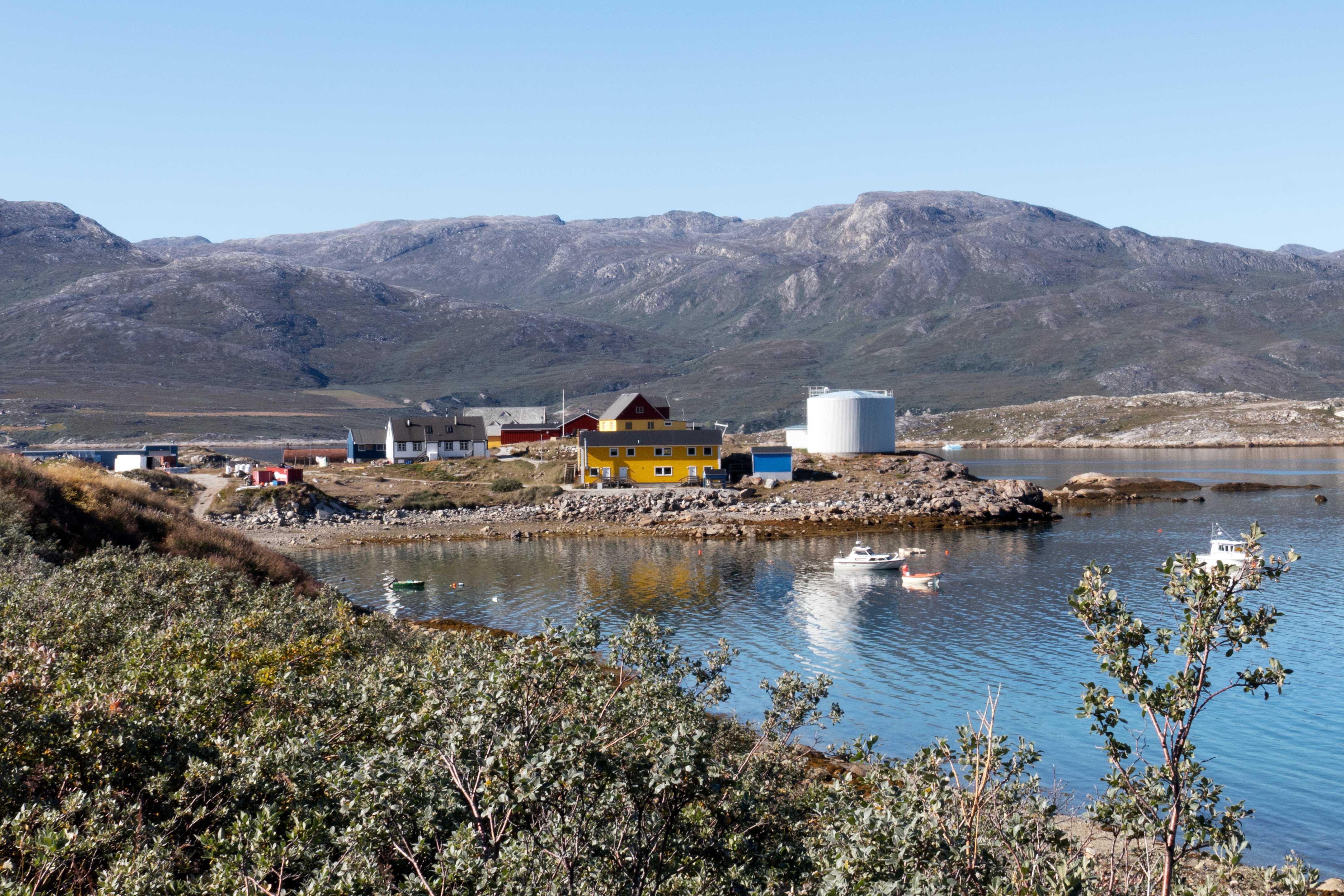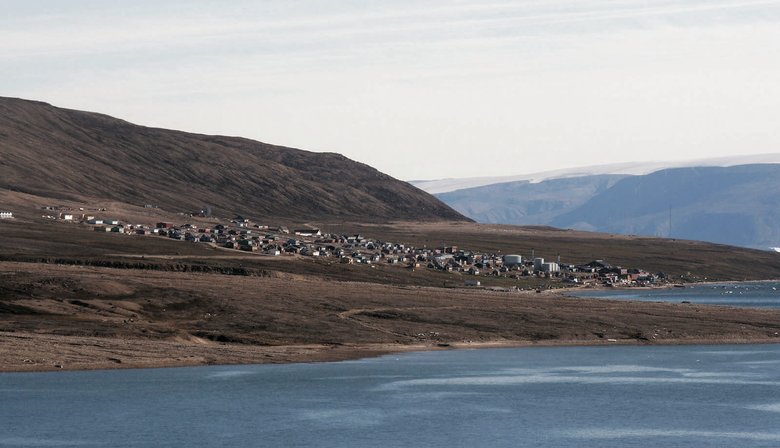
Greenland is the world's largest island — 836,000 square miles of ice cap, fjords, and tundra, with a coastline longer than the earth's circumference. About 80% of the island is covered by a permanent ice sheet. The roughly 56,000 people who live here are concentrated along the southwest coast, in small towns connected not by roads but by air and sea.
It is a place of extreme contrasts: 24-hour daylight in summer, polar darkness in winter, calving glaciers visible from town centers, sled dogs chained outside modern supermarkets. The pace of change is rapid — Greenland's first international airport opened in Nuuk in late 2024, bringing direct transatlantic flights for the first time — but the landscape itself remains as raw and overwhelming as it has always been.
Greenland is an autonomous territory within the Kingdom of Denmark. Greenlandic (Kalaallisut) is the official language, though Danish is widely spoken, and English is understood in most towns. The independence question is alive and contested; the airport opening was framed explicitly by political leaders as a step toward eventual statehood.
Travel here is expensive and logistically demanding. Rewards are proportionate.