Honduran Caribbean city and Bay Islands ferry hub, backed by the Cordillera Nombre de Dios mountains.
La Ceiba is Honduras's third-largest city, on the Caribbean coast at the base of the Cordillera Nombre de Dios mountains. It's primarily known as a transit hub — the main departure point for ferries to the Bay Islands of Roatán and Útila — but also has genuine character of its own.
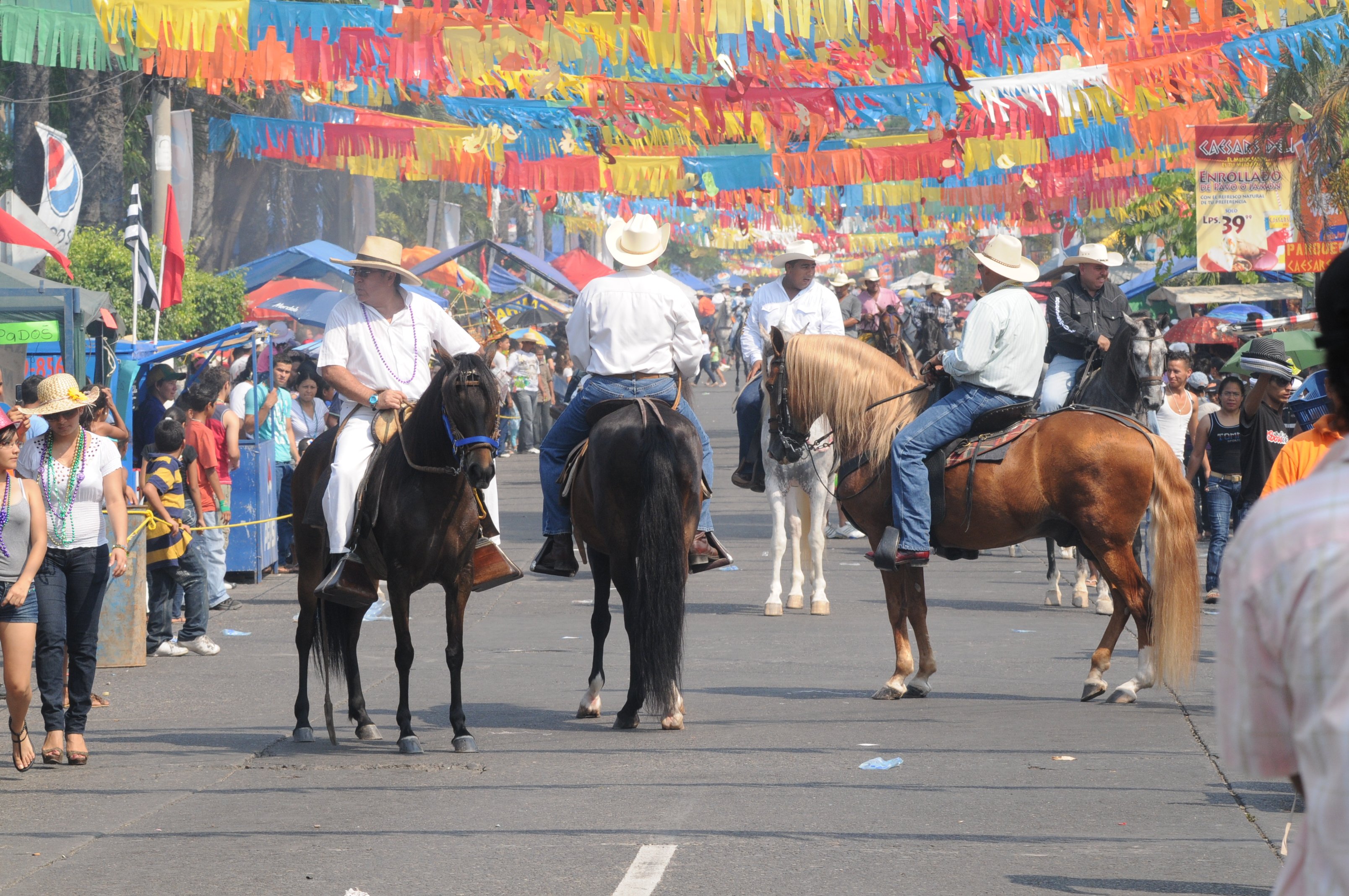
The city has a reputation for nightlife, and the Zona Viva strip along Avenida 15 has the densest concentration of bars and clubs in the country. The Feria Internacional de La Ceiba in May is one of Central America's larger street festivals, drawing roughly half a million visitors for the carnival parade.
Pico Bonito National Park begins almost at the city limits — a cloud forest reserve with waterfalls, rivers, and good birding. Rafting on the Río Cangrejal, which runs through the park's lower reaches, is a popular day trip. In the opposite direction, the Cuero y Salado Wildlife Refuge protects a large mangrove wetland that is one of Honduras's best places to see manatees.
Guide
Bars and Cafes
The Zona Viva along Avenida 15 de Septiembre is where most of La Ceiba's nightlife concentrates — a strip of bars, clubs, and restaurants that comes alive after dark on weekends and goes very loud during carnival week. Salsa and merenque dominate the music; a few spots offer live bands.
For daytime coffee and lighter eating, the area around Parque Manuel Bonilla in the centre has several cafes. The Garifuna fishing villages east of the city are quieter and more atmospheric spots for a cold beer in the afternoon.
Guide
Getting There
La Ceiba is served by Golosón International Airport (LCE), located west of the city. Domestic flights connect to Tegucigalpa and San Pedro Sula, with some regional routes to the Bay Islands. International connections typically go through Tegucigalpa or San Pedro Sula.
The city is the main ferry port for the Bay Islands. Daily ferries run to Roatán (about 1.5 hours) and Útila (about 1 hour) from the ferry terminal east of the city centre. The ferry companies Galaxy Wave and Utila Dream operate the routes; check schedules locally as times change seasonally.
By bus, La Ceiba is connected to San Pedro Sula (about 3 hours) and Tegucigalpa (about 6 hours). Several bus companies operate from the main bus terminal.
Guide
When to Go
La Ceiba is one of the wettest cities in Central America, with annual rainfall around 3,200mm. There is no dry season as such, but the rainiest months are October through January. The driest period, relatively speaking, runs from February to May.
May is actually the best month to visit if you want to catch the Feria Internacional de La Ceiba — the carnival week makes the rain irrelevant. For outdoor activities in Pico Bonito, the February to April window tends to offer the clearest skies and more settled conditions for hiking and rafting.