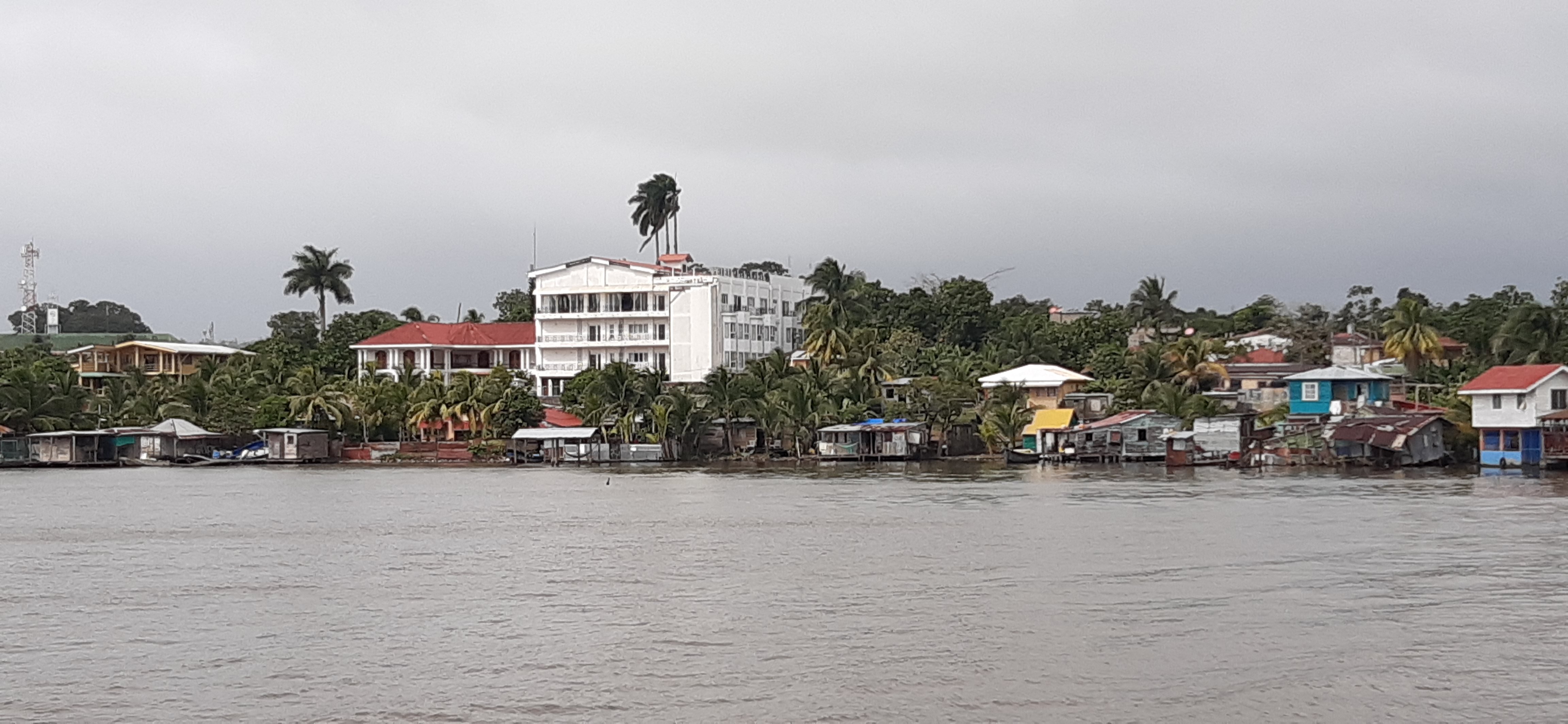
Caribbean port city in Nicaragua, shaped by Creole, Miskito, Rama, Garifuna, and Mestizo cultures.
Bluefields is the main city on Nicaragua's Caribbean coast, and it feels like a different country from the Pacific side. The British dominated this coast from the 1600s until the mid-19th century, and the legacy is still visible: most people speak Creole English as well as Spanish, the culture is Caribbean rather than Latin American, and reggae plays in every bar. The town takes its name from the Dutch pirate Blauwveld, who used the bay as a base.
Hurricane Joan devastated Bluefields in 1988, destroying most of the old colonial architecture. What remains is a lively, scruffy port town with a charismatic Caribbean atmosphere and a setting on a large lagoon surrounded by tropical vegetation. Getting here is part of the adventure — there is no road connection to the rest of Nicaragua, so you arrive by small plane from Managua or by a long panga boat ride up the Río Escondido from Rama.
Day trips from Bluefields include Rama Cay, a small island home to one of the few remaining Rama indigenous communities, and Pearl Lagoon, a beautiful lagoon about an hour by boat to the north.
Guide
Bars and Cafes
The bar scene in Bluefields is Caribbean and unpretentious. Reggae is the default soundtrack; rum, beer, and the occasional rum punch are what's on offer; and the venues range from open-air terraces over the bay to low-ceilinged rooms where a sound system does the heavy lifting. The social life of the town spills outside — into waterfront spaces, the streets during festival periods, and the park around the central square on evenings when there's music.
During Palo de Mayo, bars and impromptu venues operate all night. Outside May, the scene is quieter but still distinctly Caribbean in character — there is a live music tradition on the coast that surfaces in various places through the week, usually on Thursday and weekend nights. Toña and Victoria, the standard Nicaraguan beers, are everywhere; locally produced rum is cheap. Coffee is less prominent than on the Pacific side, though the Caribbean coast does produce some of its own. Look for the informal waterfront spots in the evening rather than the more restaurant-oriented venues, which tend to close early.
Guide
Eating Out
Bluefields food is Caribbean rather than Nicaraguan — the staples are rice and beans cooked together in coconut milk (rondón rather than gallo pinto), fried fish, green plantains, and seafood prepared simply. The Creole kitchen draws on the same tradition as coastal cooking from Honduras to Panama, with coconut a constant presence. Fish soup made with root vegetables and coconut milk — rondón in its full sense — is the dish most specific to the Caribbean coast and worth seeking out.
There are no fine dining establishments and not many tourist restaurants. Eating well in Bluefields means finding the places where locals eat: small comedores (casual lunch spots) around the market serving large plates of fish, rice, and plantain for very little money, and houses with hand-painted signs advertising seafood. The waterfront area has a few more formal options that cater to passing visitors. Lobster and shrimp from the Caribbean are excellent and inexpensive by international standards — eat them here rather than in Managua, where they arrive overpriced and at a distance from the sea.
Guide
Getting There
There is no road connecting Bluefields to the Pacific side of Nicaragua; the Caribbean coast road network is essentially internal to the region. All arrivals from Managua are by air or by a two-leg journey involving road and boat. La Costeña airline operates several daily flights between Managua and Bluefields Airport (about 1 hour); the planes are small and the flights can fill up, so booking in advance is important during holiday periods and May festival season.
The overland-and-water route starts with a public bus or private shuttle from Managua to Rama (about 5–6 hours on the road), followed by a fast panga boat (speedboat) down the Río Escondido to Bluefields (another 2–3 hours). The panga ride through mangrove-lined river and lagoon is an experience in itself — the boat travels at speed through landscapes that are largely untouched — but it's a long day. Cargo boats also make the river journey more slowly if you're not in a hurry. Within Bluefields, taxis and water taxis serve the town and the bay islands respectively.
Guide
Things to Do
Bluefields is the capital of Nicaragua's South Caribbean Coast Autonomous Region, and it operates by a different logic from the Pacific side of the country. The language on the street is Creole English as much as Spanish; the music is reggae and soca rather than marimba; and the town's physical situation — surrounded by a vast lagoon, accessible only by plane or boat — gives it an isolation that sharpens its Caribbean character. The journey to get here is part of the experience: most visitors fly from Managua or take the bus to Rama and continue by fast panga boat down the Escondido River and across the lagoon.
The main things to do in Bluefields are relational rather than monument-based: walking the waterfront, eating well, listening to music, and taking boat trips to the surrounding lagoon and its islands. The May festival Palo de Mayo (also called Maya May) is the single biggest draw — an Afro-Caribbean celebration rooted in fertility rites brought by enslaved Africans, involving weeks of dancing, music, and public revelry that transforms the town. Outside festival season, the town is quieter but the lagoon excursions, the Rama Cay community, and Pearl Lagoon to the north make for a genuine Caribbean experience.