Balboa
©
Balboa

Balboa

Former Canal Zone town at the Panama Canal's Pacific entrance, shaped by early American administration.

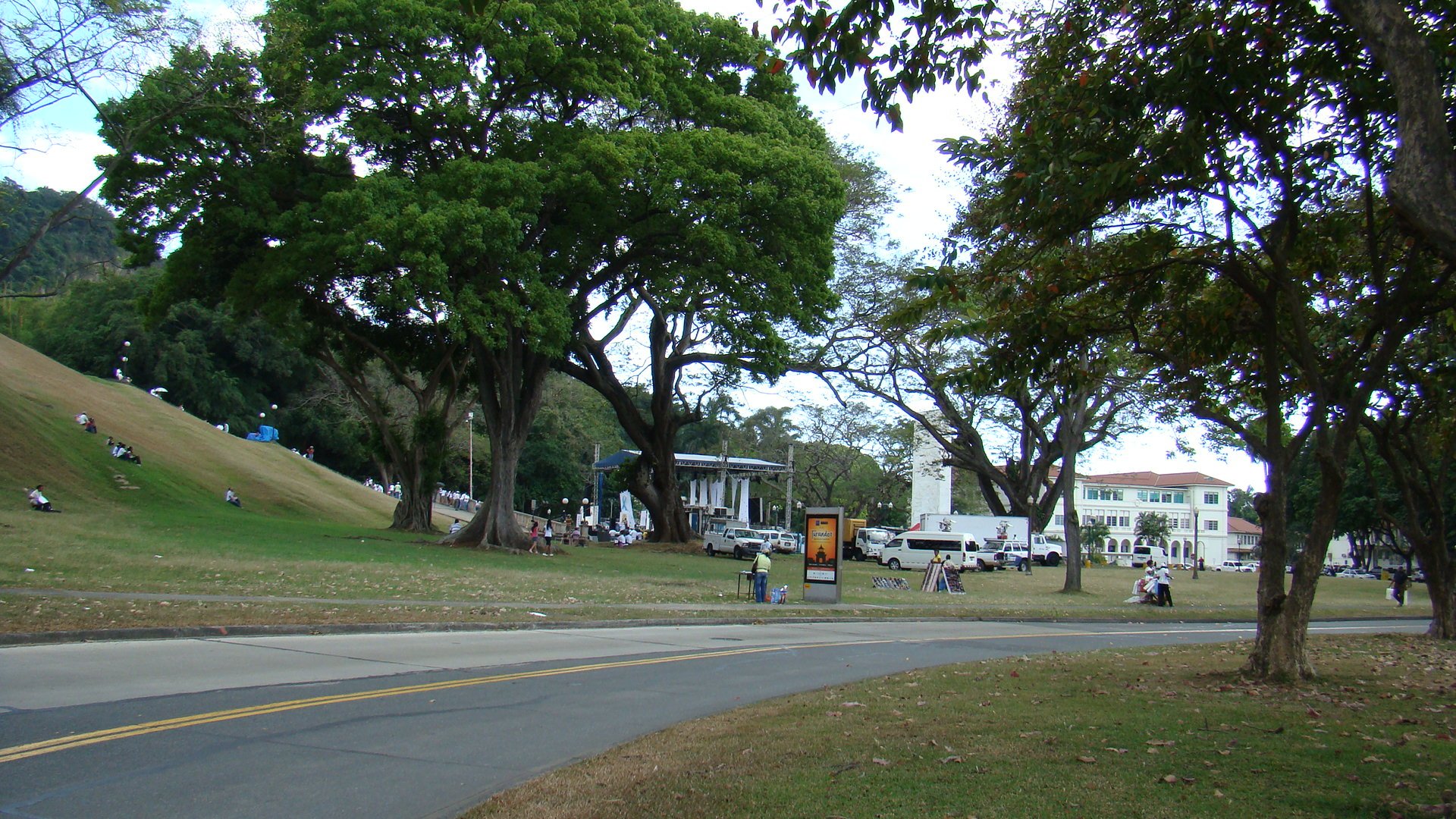
Balboa is a former US Canal Zone town sitting at the Pacific entrance to the Panama Canal, about 8 kilometres from central Panama City. It was built in the early 20th century to house the American administrators who ran the Canal and retains a distinct character — orderly bungalows, wide boulevards, and a tropical government-town feel quite unlike the rest of Panama. The Canal was handed back to Panama in 1999, and Balboa is now an administrative district.

The main reason to come is to see ships navigate the Miraflores Locks, a short distance away — this is one of the great engineering spectacles anywhere, with massive container ships lifted 16 metres in less than ten minutes. The Miraflores Locks visitor centre has good exhibits on the Canal's history and construction. Balboa itself has the Goethals Monument, a memorial to the American engineer who oversaw Canal construction, and a pleasant waterfront along the Amador Causeway, a former US military breakwater now lined with restaurants and bars. Cerro Ancón above the town is covered in forest and home to sloths and toucans — an unexpected patch of wildlife minutes from the city. For most travellers, Balboa is an easy half-day excursion from Panama City rather than a destination in itself.

Guide

Bars and Cafes in Balboa

Balboa is quiet after dark — there's no real nightlife scene in the district itself. The action is on the Calzada de Amador, where several bars and outdoor venues run into the evening with views over the Canal's Pacific entrance. Sunset from the causeway, with ships silhouetted against the sky, draws a decent crowd most evenings.

For daytime coffee, the Balboa district has a few options around the administrative quarter, though most visitors end up at the causeway or head back to Panama City proper.

Guide

Day Trips from Balboa

Casco Viejo — Panama City's colonial old town, a UNESCO World Heritage Site, is 8 kilometres away and worth a half-day. The colonial Spanish streets, restored churches, and seafront promenade are among the best urban heritage in Central America. The contrast with Balboa's American-colonial atmosphere is striking.

Gamboa — Follow the Canal north through the rainforest to Gamboa, about 35 kilometres from Balboa. The Gamboa Rainforest Resort has a nature centre and boat trips on the Canal, and the Pipeline Road nearby is one of the world's top birdwatching sites — hundreds of species have been recorded there. A taxi or rental car is the practical way to get there.

Barro Colorado Island — Book a guided tour through the Smithsonian Tropical Research Institute. The boat departs from Gamboa; the tour includes a guided walk in old-growth rainforest with howler monkeys, coatis, and hundreds of bird species. Half-day or full-day options available; reserve well in advance.

Portobelo — On the Caribbean coast, about 100 kilometres north of Panama City. A ruined Spanish colonial fortress town and UNESCO World Heritage Site where the conquistadors loaded silver from Peru onto the treasure fleets. The drive through the mountains is scenic. Half-day by car; combine with a stop at the Gatún Locks on the Caribbean side of the Canal if you want a second locks experience.

San Blas Islands — The Guna Yala archipelago on the Caribbean coast, accessible by small plane from Albrook Airport (30 minutes) or by a combination of car and boat (4–5 hours each way). White sand, turquoise water, and indigenous Guna culture — a different world from Panama City. Better as an overnight or two-night trip than a pure day trip.

Guide

Eating Out in Balboa

Balboa itself has limited dining options — the area is primarily residential and administrative. The best eating near here is along the Amador Causeway, where a string of restaurants lines the causeway with views across the Canal's Pacific approach. Most are casual, aimed at locals and tourists alike, and the seafood is reliable.

The Miraflores Locks visitor centre has a restaurant on an upper floor with a direct view of ships transiting through the locks — a novelty that justifies an otherwise ordinary lunch.

Guide

Getting Around

Balboa is compact and walkable at its core. The administrative quarter around the Goethals Monument, the Administration Building, and the Smithsonian headquarters can all be covered on foot in an hour. The streets are wide, shaded, and quiet — a pleasant contrast to central Panama City.

The Amador Causeway is best explored by bicycle. Rental bikes are available at stands near the causeway entrance and at Isla Naos; rates are low by the hour. The 6-kilometre causeway is flat and has a dedicated cycling lane separated from traffic.

Miraflores Locks is about 4 kilometres from the Balboa administrative centre — walkable in principle but a taxi or rideshare is more practical in the heat. There is no direct pedestrian route without walking along a main road.

For getting between Balboa, the causeway, and Miraflores, taxis and Uber are efficient and cheap.

Guide

Getting There

Balboa is about 8 kilometres from central Panama City (Casco Viejo) and easily reached without a car.

Taxi and ride-hailing: The quickest option. Uber and InDriver operate in Panama City and will take you directly to Balboa or Miraflores Locks; fares from the city centre are modest. Traditional yellow taxis are also widely available. Negotiate the fare before getting in a yellow cab.

Bus: Metro buses run from Panama City to Balboa. The journey is cheap but slower and requires navigating the local network — most visitors find a taxi more practical for a first visit.

By car: Balboa is straightforward to drive to from the city. Parking is available at the Miraflores Locks visitor centre and at the Calzada de Amador. Traffic from the city centre can be slow during morning rush hours.

Tocumen International Airport is about 35 kilometres from Balboa. Taxis and Uber from the airport take 40–60 minutes depending on traffic. There is no direct bus link from the airport.

Guide

Things to Do in Balboa

Balboa's main draw is the Miraflores Locks, a few kilometres from the town centre, where you can watch ships be lifted or lowered between the Pacific Ocean and Miraflores Lake. It's one of the great engineering spectacles in the world. Beyond this, the Amador Causeway waterfront, the Goethals Monument, and Cerro Ancón give the area several hours of content.

The Smithsonian Tropical Research Institute maintains research facilities here and runs public visitor programmes on Barro Colorado Island, accessible by boat — one of the best ways to see tropical rainforest wildlife near Panama City.

Guide

When to Go to Balboa

Panama has two seasons: dry (December to April) and wet (May to November). The dry season, locally called verano (summer), is the more comfortable time to visit — lower humidity, clear skies, and cooler mornings. January through March is the peak of it, and the best time for walking Ancon Hill and cycling the Amador Causeway.

The wet season is hot and humid with afternoon downpours, but it rarely rains all day. Mornings are often clear. The Canal operates year-round regardless of weather, and the locks are equally worth seeing in a light rain. If anything, the wet season landscape is more lush, which makes Ancon Hill greener and the wildlife more active.

Ship traffic through the Canal is consistent throughout the year, so there is no significantly better or worse time to visit Miraflores for that purpose. December to April sees more cruise ships on the Pacific side, so weekends during that period will be busier at the locks visitor centre.