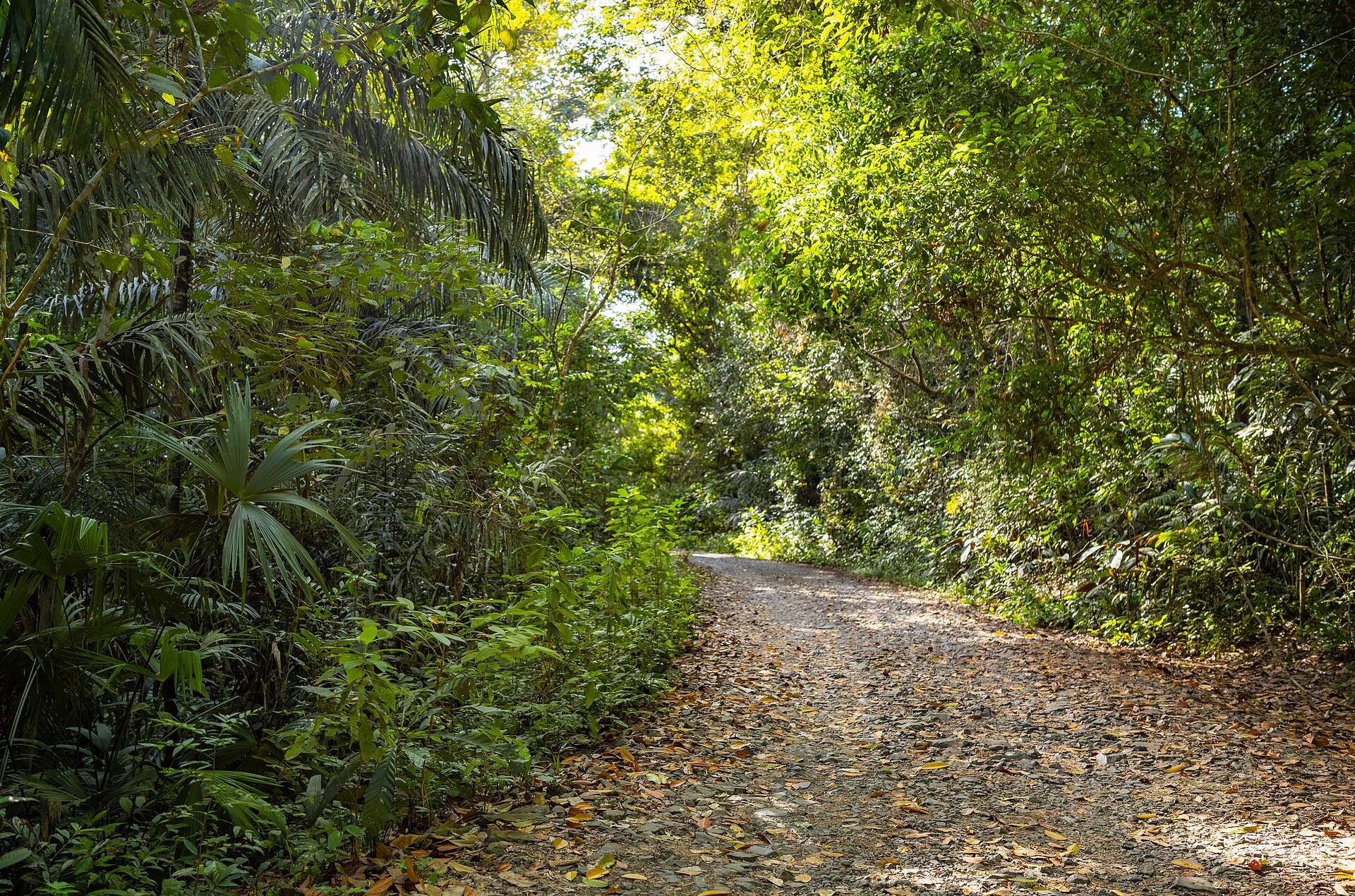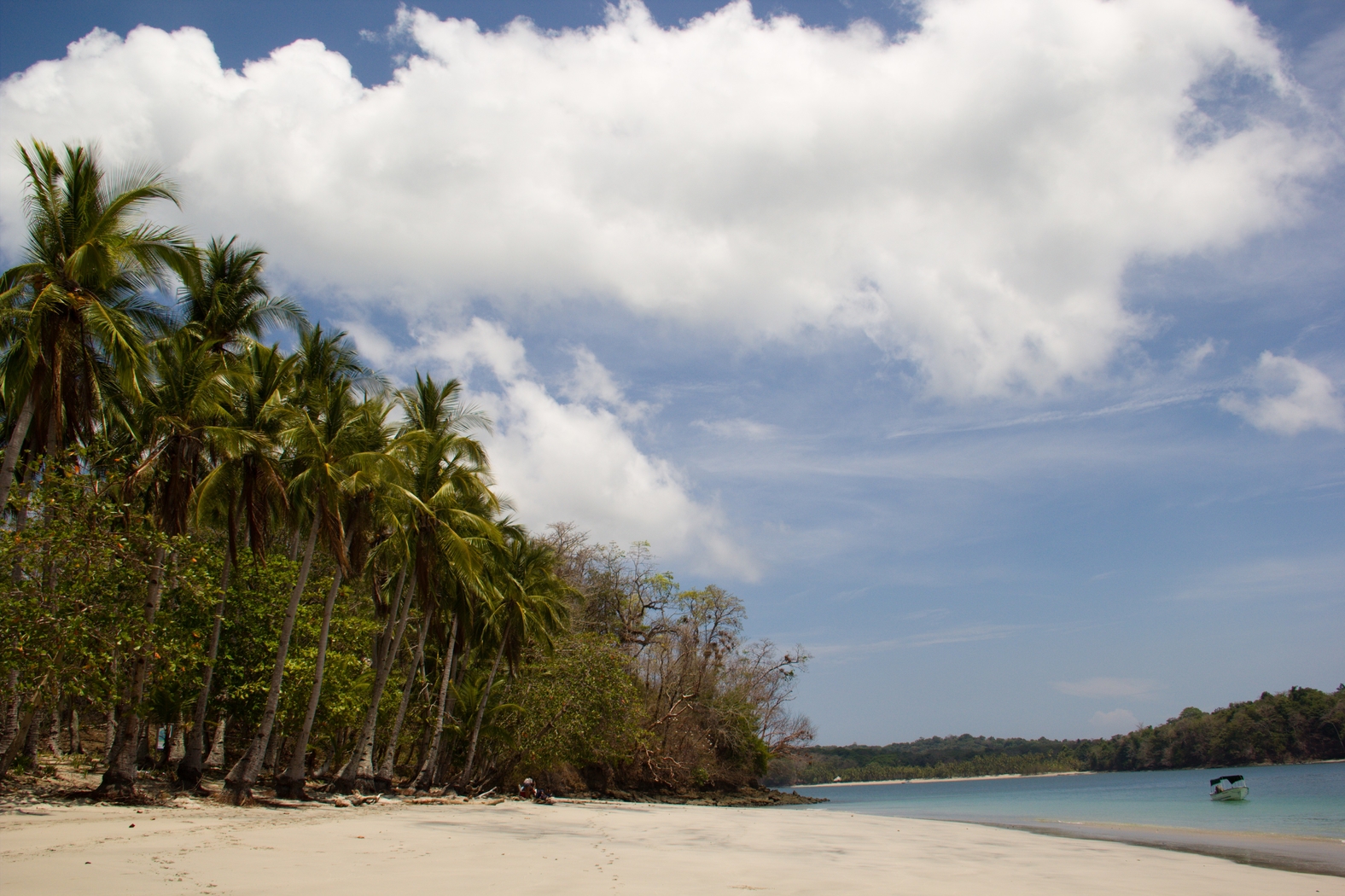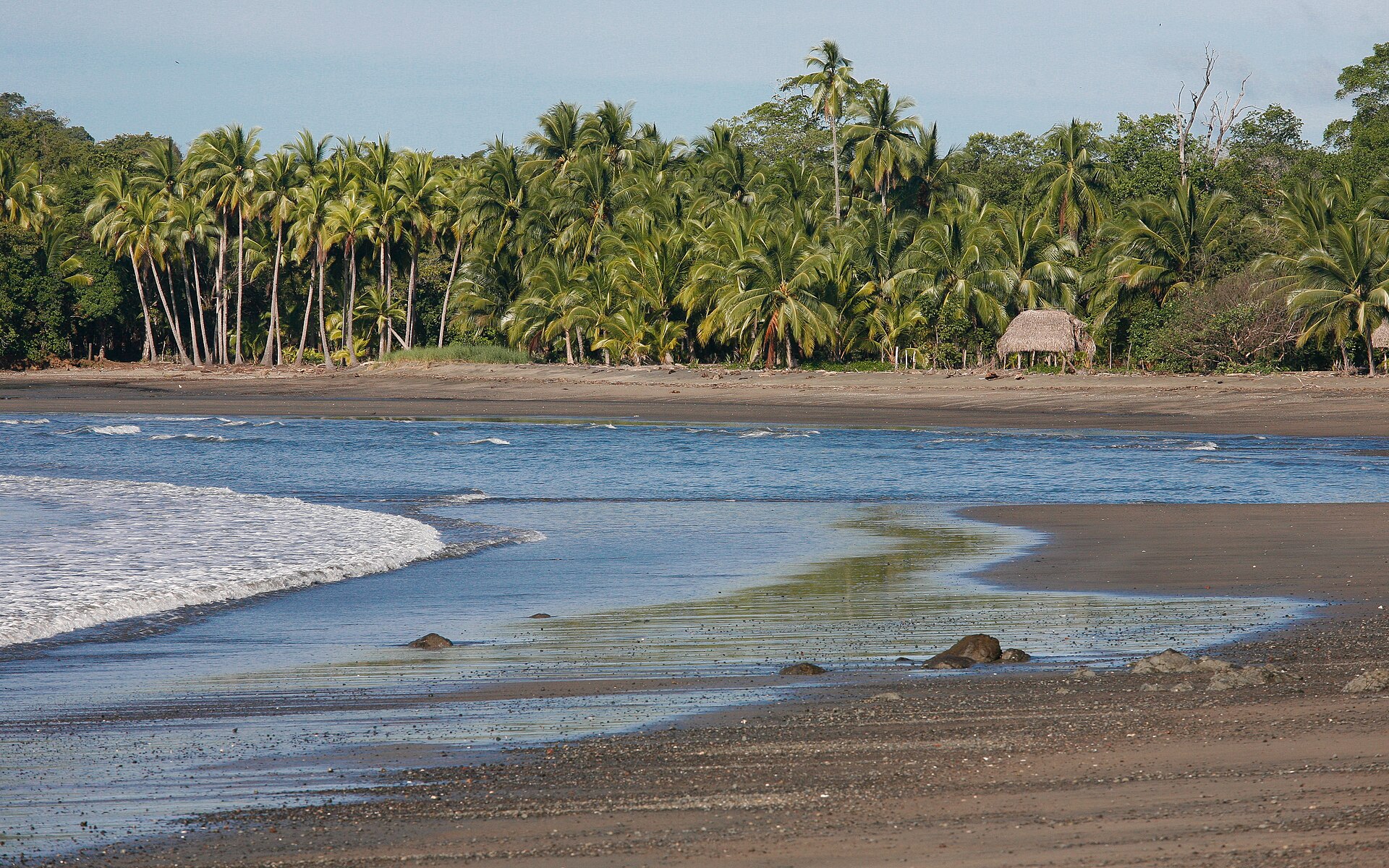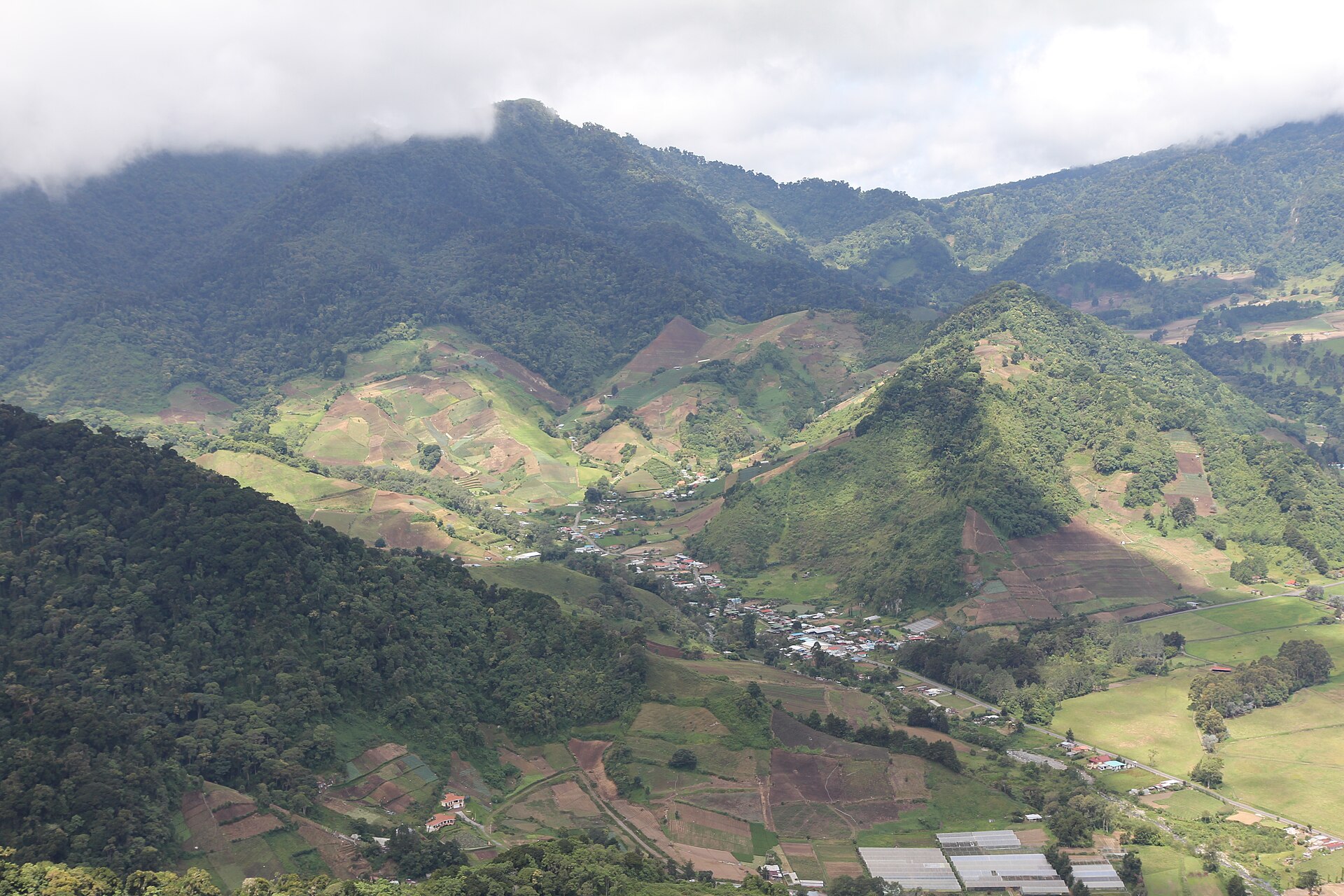
Panama is the country everyone passes through and few stop in. Most visitors to Central America give it a day for the canal on the way to Costa Rica, and that is a mistake: for a country the size of Ireland, Panama holds an unreasonable amount — two oceans a hundred kilometres apart, the best diving and the best birding in the region, Caribbean islands run by the people who have always lived on them, and cloud forest where you can stand on a summit at dawn and see the Pacific and the Atlantic at once.
It is also the easiest country in Central America to travel. The dollar is the currency, the roads are good, Panama City has the best air links between the Americas, and the infrastructure generally works. What it does not have is a tourist-shaped surface: outside a handful of places nobody is expecting you, which is most of the appeal.
The canal and the capital
Panama City is a genuine city rather than a stop — a glass skyline on one side of the bay, the crumbling and reviving colonial quarter of Casco Viejo on the other, and the ruins of the original Panamá Viejo, sacked by Henry Morgan in 1671, beyond. The Panama Canal is half an hour away, and watching a ship the size of an apartment block lifted sixteen metres at the Miraflores locks is worth the cliché.
What surprises people is how quickly the city stops. Soberanía National Park begins forty minutes out, and Pipeline Road inside it has set world records for birds seen in a single day. Balboa, the old Canal Zone townsite, and the Fuerte Amador causeway built from canal spoil sit between the two, and the ferry from the causeway goes to Taboga, the island of flowers, in half an hour.
The Caribbean coast
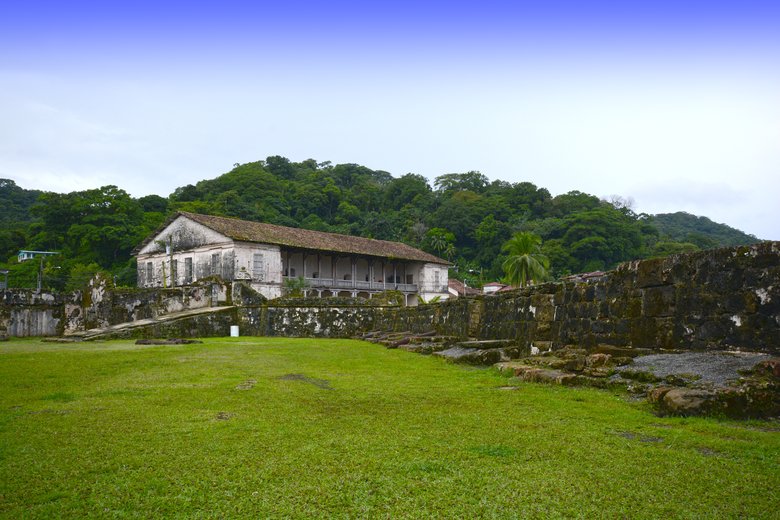
Bocas del Toro is the archipelago near the Costa Rican border where most travellers end up: wooden houses on stilts, boat taxis, snorkelling, and a party that some find and others carefully avoid. East of Colón the coast turns Spanish-colonial — Portobelo was where the silver of Peru was loaded for Spain, and its fortresses are still standing, if barely — and then Nombre de Dios, the older port it replaced.
Further east again is Guna Yala, the San Blas archipelago: 365 coral islets governed by the Guna themselves under an autonomy won in 1925. You visit on Guna terms, which is exactly why it is worth doing.
The highlands and the Pacific
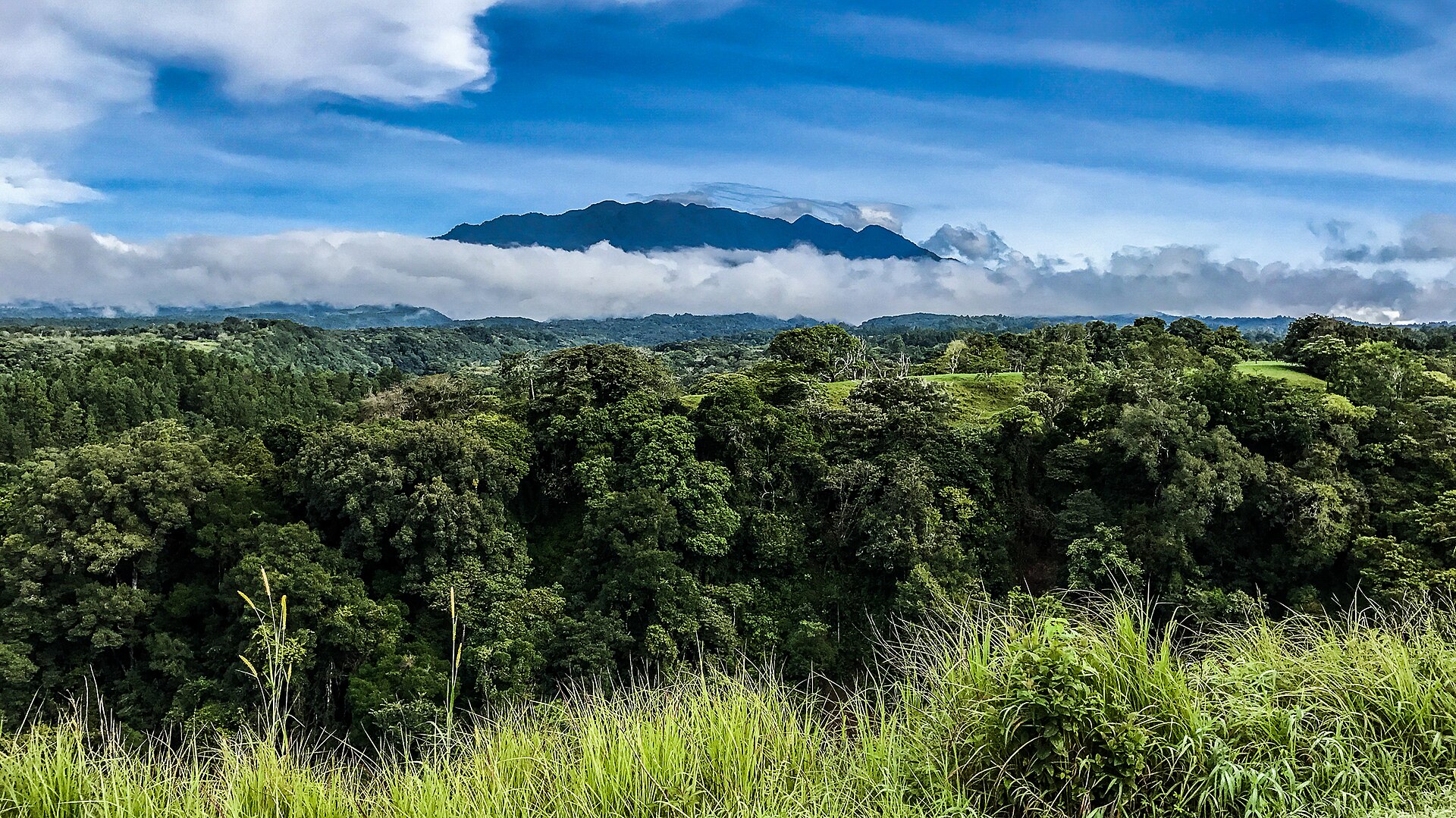
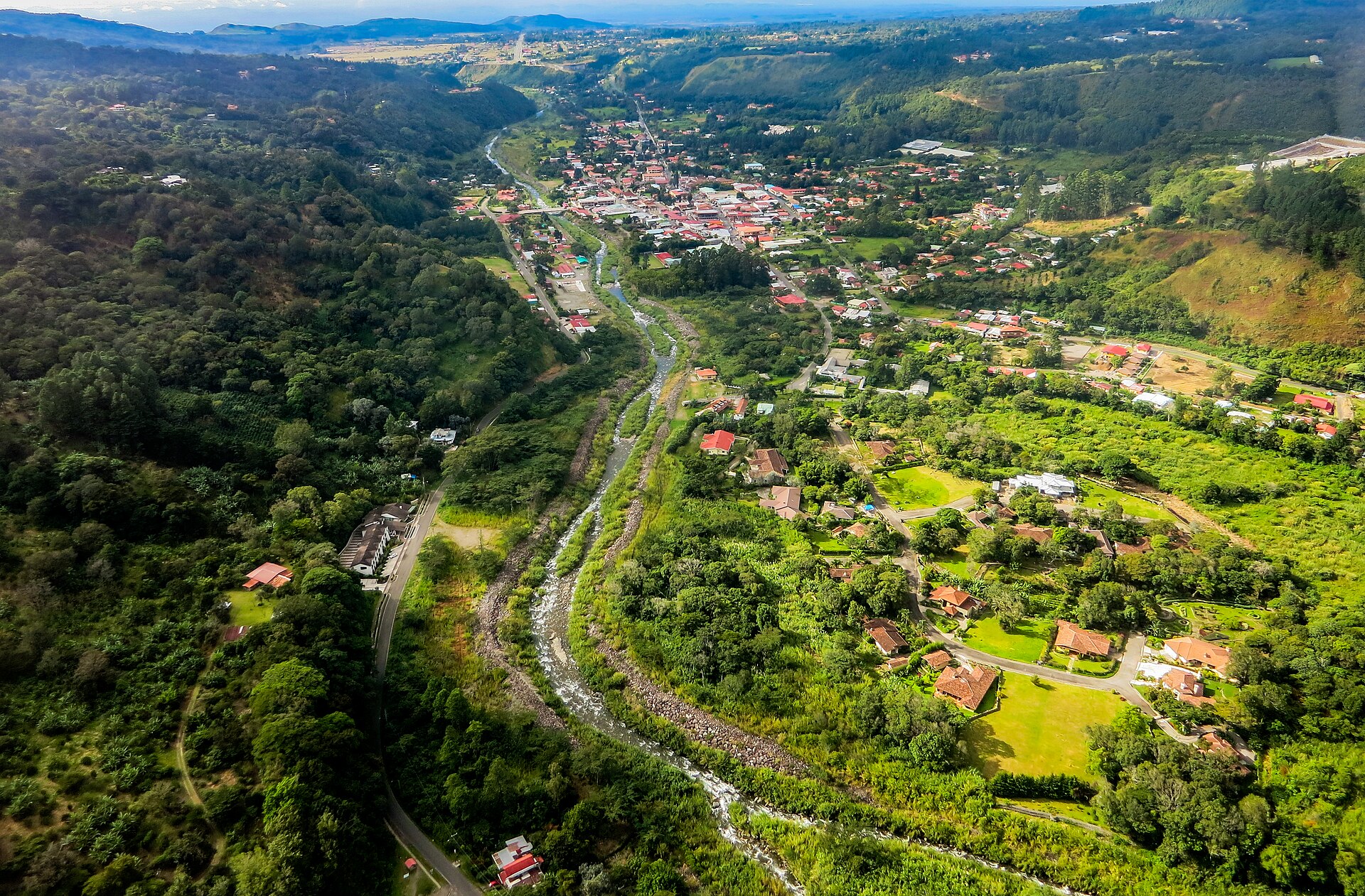
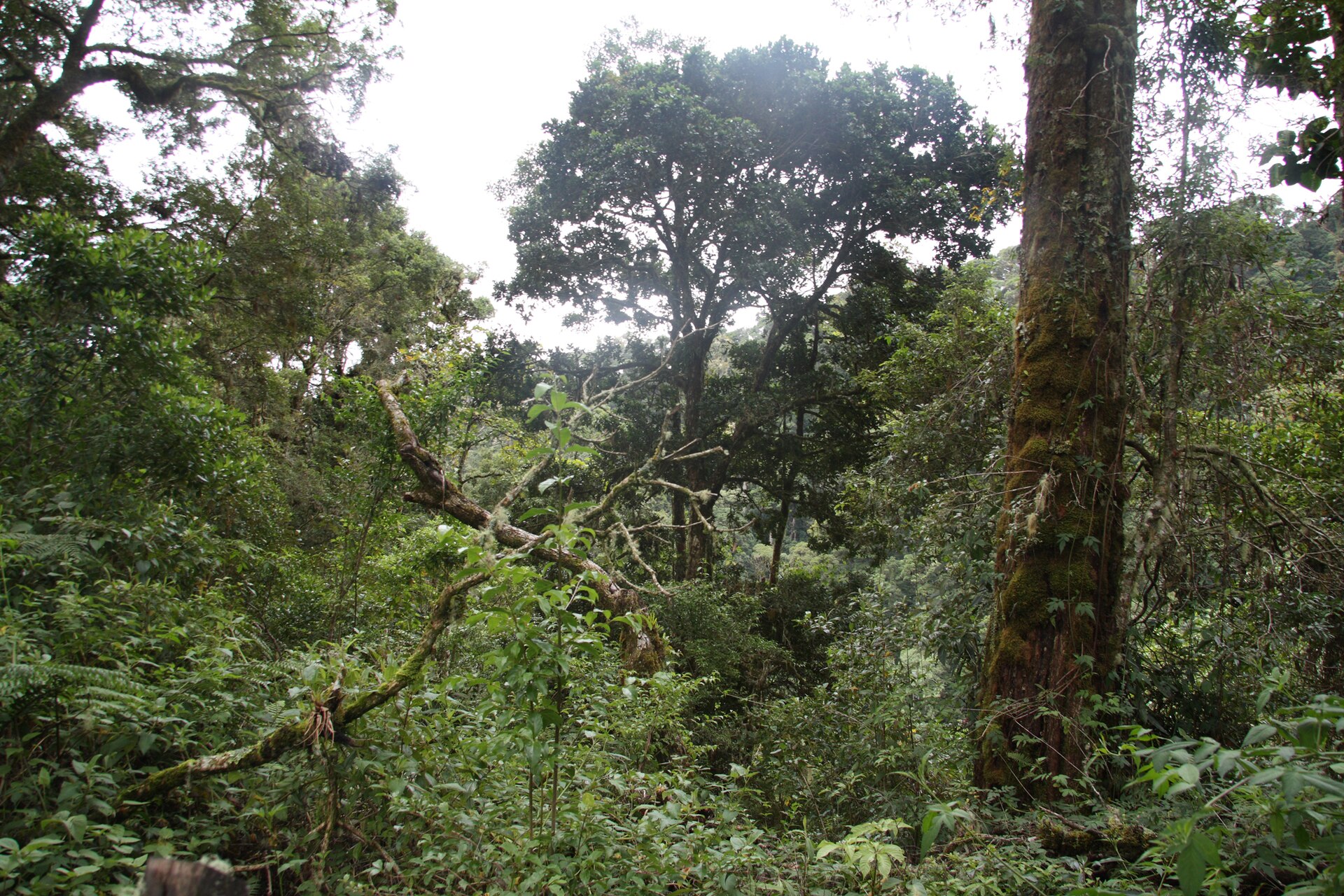
Chiriquí in the west is the cool country — coffee fincas around Boquete, the cloud-forest trail between there and Cerro Punta where the quetzals are, and Volcán Barú, climbed overnight for the two-ocean sunrise. Nearer the middle of the country, El Valle de Antón sits inside a volcanic crater two hours from the capital and is where the city goes for cool air on a weekend.
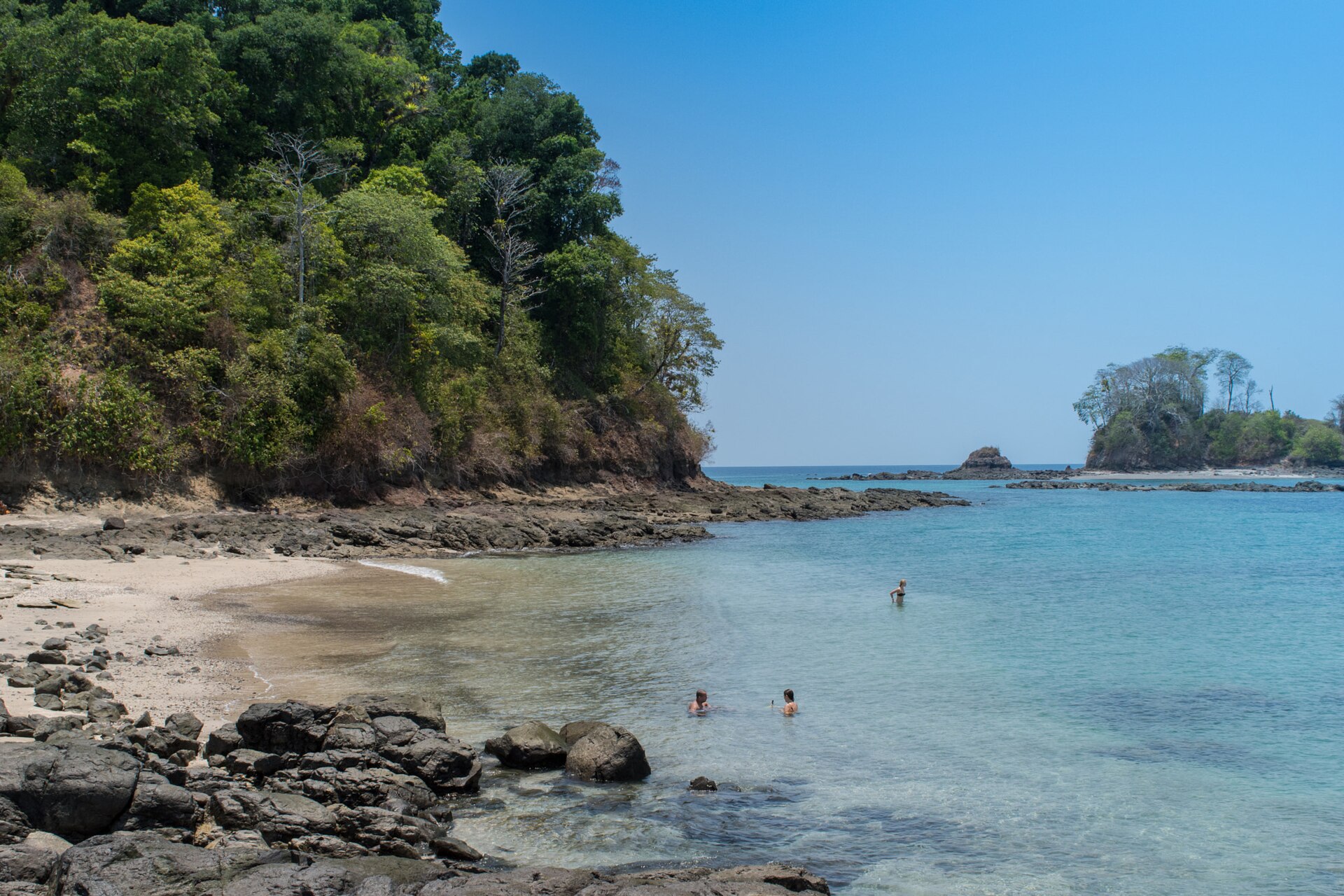
On the Pacific coast, Veraguas has the surf at Santa Catalina and the boats out to Isla Coiba — a prison island until 2004, and now a national park with the best diving in the country precisely because nobody was allowed to land on it for eighty years. The Azuero Peninsula south of it is cattle country and the home of Panamanian folk tradition, with empty beaches and good surf around Pedasí.
The Darién
The Darién Gap is the break in the Pan-American Highway: roadless forest and swamp between Panama and Colombia, home to the Emberá and Wounaan and to Darién National Park. It has also, in recent years, become one of the most-used and most dangerous migration routes in the world, and the parts of it that were once trekked by adventurous travellers are not sensibly visited now. The accessible edge around La Palma and the national park's ranger stations can be arranged with an operator; the gap itself cannot.
When to go
The dry season runs roughly mid-December to April and is the reliable time on the Pacific side and in the highlands. The Caribbean keeps its own schedule and can rain in any month, though September and October are often the clearest in Bocas. The green season is cheaper, greener, and mostly means a hard afternoon downpour rather than a lost day — and it is when the humpbacks pass, between July and October.