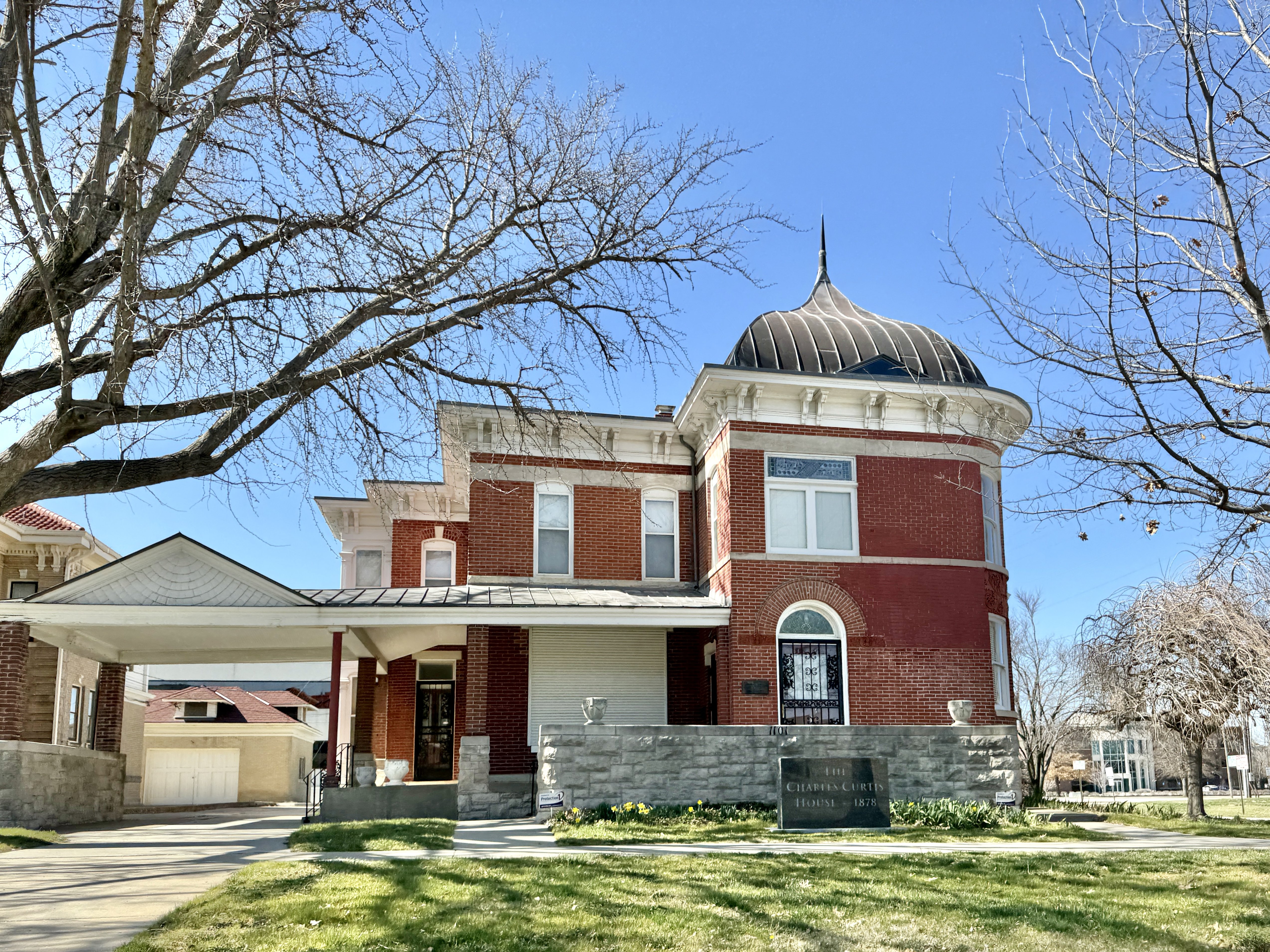
Topeka is the capital of Kansas — a mid-sized city on the Kansas River that doesn't get much attention from travelers passing through the Great Plains, but rewards those who stop. It's a political and administrative city first, which means its most interesting sites tend to be civic and historical rather than culinary or cultural.
The single most important place here is the Brown v. Board of Education National Historic Site, housed in the Monroe Elementary School where Linda Brown was denied enrollment in 1951. The Sumner Elementary School, five blocks away, was the white school she was prevented from attending — the geography of segregation made tangible. The case that followed reached the Supreme Court, which unanimously ruled in 1954 that racially segregated schools were unconstitutional.
The Kansas State Capitol is worth an hour of your time. John Steuart Curry's murals inside depict John Brown and the violent period before the Civil War when Kansas was a battleground over slavery — raw, expressionist paintings that feel nothing like typical government-building decoration. The Memorial Building nearby is another handsome civic landmark, and Grace Cathedral a few blocks west is the best architectural building downtown.
The Topeka Zoo is genuinely good, known especially for its Gorilla Encounter, and sits within Gage Park, a large Victorian-era public park with a vintage carousel dating from 1908. The Historic Ward-Meade Park is pleasant on a warm afternoon. The Evel Knievel Museum is a better-than-expected collection. The Equality House across from the Westboro Baptist Church is a peculiarly Topeka landmark, and Truckhenge on the north edge of town rewards fans of roadside folk art. The Kansas Museum of History provides solid context on the state. The Tallgrass Prairie National Preserve lies about an hour south and is worth combining into a visit.