Lansing became Michigan's state capital in 1847 almost by accident. The legislature wanted a seat of government far from the Canadian border, away from Detroit and its perceived vulnerability. They picked a tiny settlement in the woods of Ingham County, and a capital city grew up around the decision.
The State Capitol, completed in 1879, remains Lansing's defining landmark. Modeled after the nation's Capitol in Washington, it is one of the finest examples of Victorian painted interior decoration in the United States. President Lincoln insisted construction continue during the Civil War as a symbol of the union he was fighting to preserve.
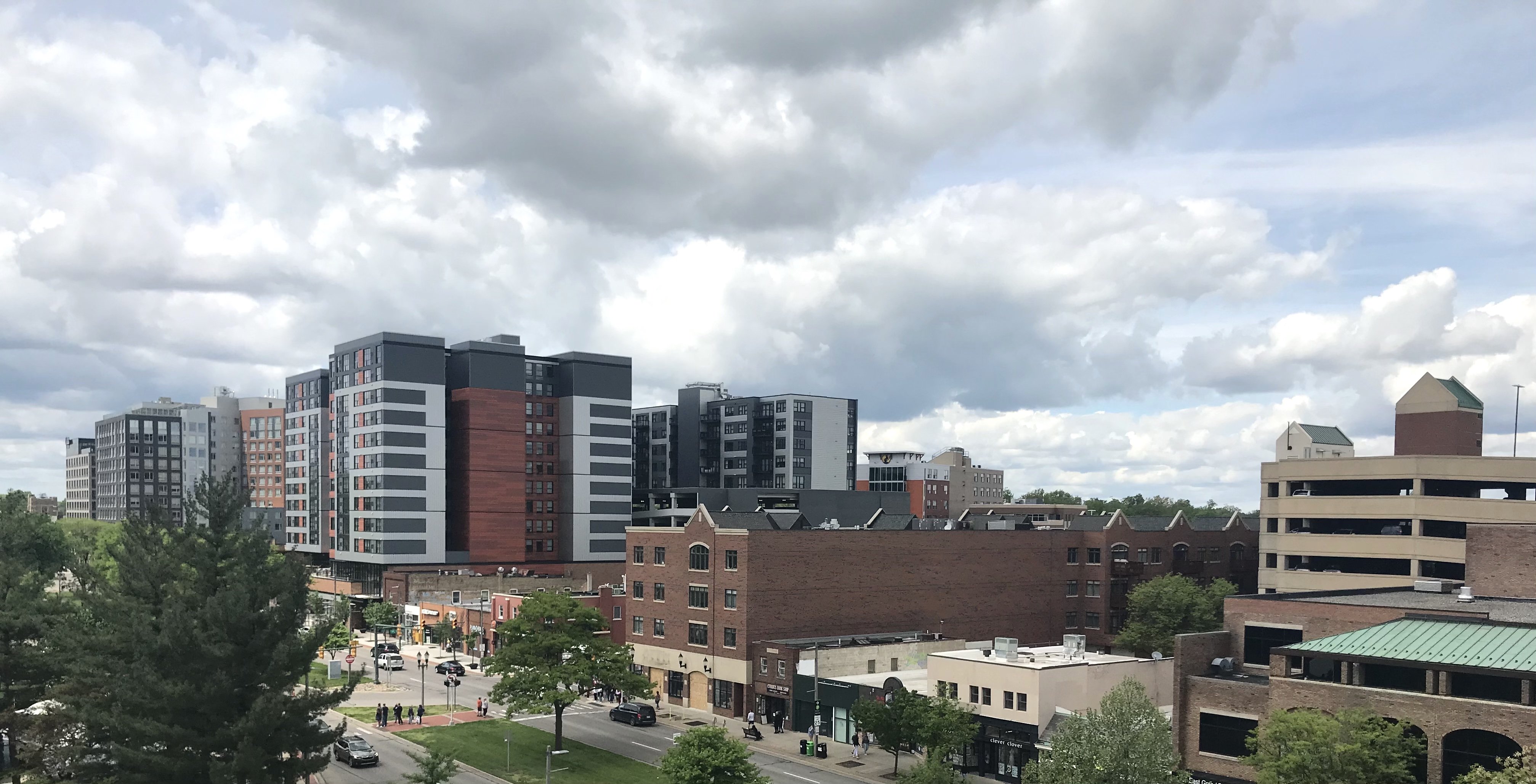
Beyond government, Lansing's identity is shaped by Michigan State University, located in neighboring East Lansing. The university started in the 1850s when Michigan farmers lobbied for one of the country's first agricultural colleges, and it has grown into one of the largest universities in the nation. Its campus brings energy, culture, and a young population to an otherwise mid-sized Midwestern capital.
The Grand River runs through the center of the city, and its riverfront trail connects downtown to Old Town, Lansing's original settlement and now its most characterful neighborhood. Old Town's stretch of galleries, restaurants, and small shops is where the city feels most alive, particularly during the many festivals that fill its streets from spring through fall.