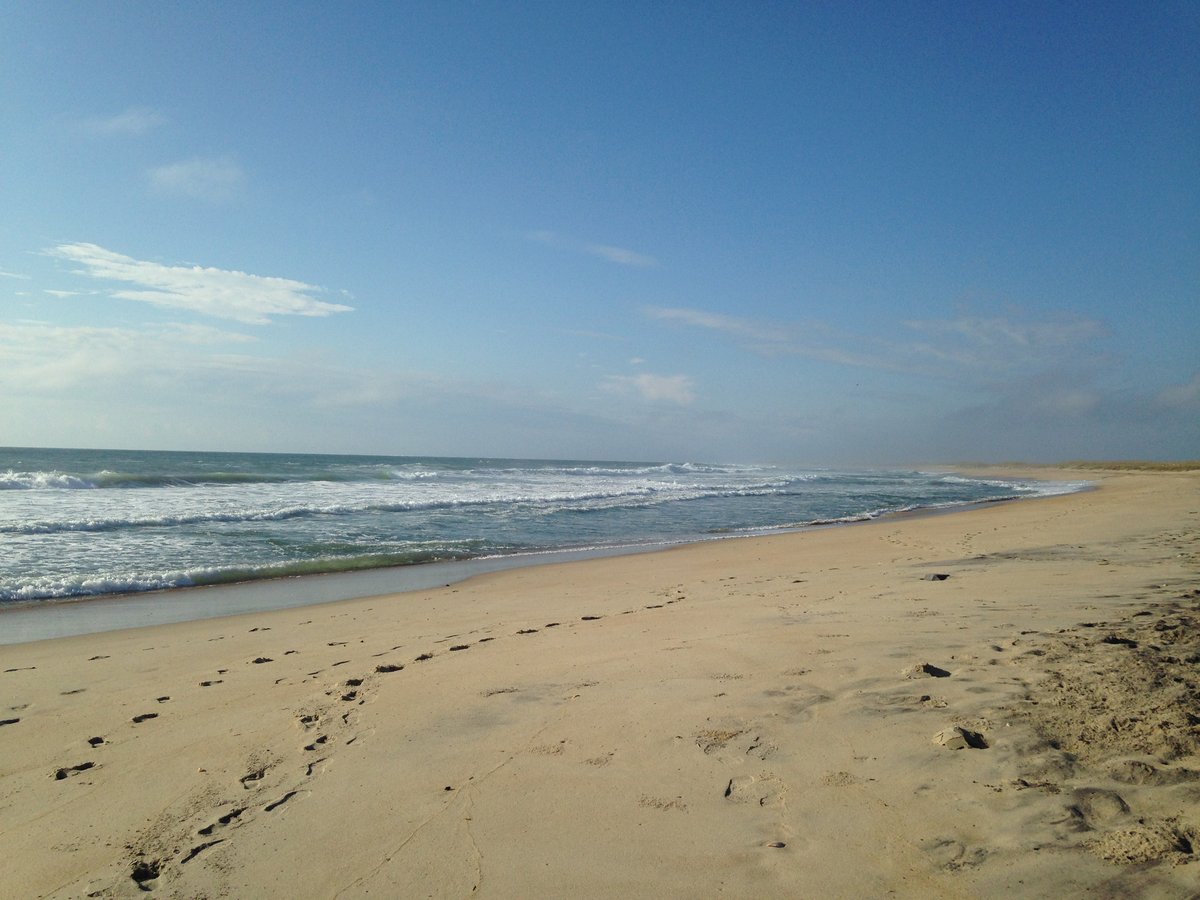
Outer Banks barrier island of dunes, fishing villages, and Cape Hatteras National Seashore beaches.
Hatteras Island is the destination for vacationers in search of surfing, fishing, camping, birdwatching, beachcombing, or simply watching the sunset with family and friends. Part of the Outer Banks, this long, narrow island is wilder and less developed than the northern beaches, with small villages separated by stretches of open dune and marsh. Almost the entire island lies within the Cape Hatteras National Seashore, which has protected it from large-scale development since 1937.
The Cape Hatteras Lighthouse, at 198 feet, is the tallest brick lighthouse in the United States. You can climb to the top in season for views that stretch across the island from ocean to sound. The fishing — both surf casting and offshore charter trips — is some of the best on the East Coast, and the consistent wind and waves make Hatteras one of the premier kiteboarding and windsurfing spots in North America.
The island's history is entwined with shipwrecks and the sea. The waters off Cape Hatteras, where the Gulf Stream collides with the cold Labrador Current over the shallow Diamond Shoals, have claimed over 600 vessels since the 16th century. The Graveyard of the Atlantic Museum in Hatteras Village tells this story for free. At the northern end of the island, the Chicamacomico Life-Saving Station in Rodanthe preserves the stations from which brave crews rowed out in surfboats to rescue shipwrecked sailors. The Pea Island National Wildlife Refuge, at the island's northern end, is one of the best birdwatching sites on the entire Atlantic coast.
Guide
Getting There
Hatteras Island is accessed by car via North Carolina Highway 12, which runs the full length of the Outer Banks. From the north, take US 64 east to Whalebone Junction near Nags Head, then continue south on NC 12 through the Cape Hatteras National Seashore. The drive from Nags Head to Hatteras Village takes roughly an hour in normal conditions.
From the south, the North Carolina Department of Transportation operates a free car ferry between Ocracoke Island and Hatteras Village. The crossing takes about an hour and reservations are not required, but waits can be long in summer. Check ferry schedules at the NCDOT website before setting out.
There is no regular public transport to or along the island. A car is essential.
Guide
When to Go
Summer (June to August) brings the largest crowds, warmest water, and full operation of everything from lighthouse climbs to fishing charters. It is also hurricane season, and the island is genuinely exposed: a direct hit can close the island for weeks and cut Highway 12 completely. September is the peak of hurricane season but also one of the nicest months to visit — the water is still warm, the crowds thin, and the surf is excellent.
Spring (April and May) is ideal for birdwatching as migrants move through Pea Island and the seashore. Temperatures are mild and accommodation is easy to find. Autumn draws surf fishermen targeting red drum, which run close to shore in September and October in large numbers.
Winter is cold and quiet. Most restaurants and shops reduce hours or close entirely. The beaches are empty and dramatic, storms are frequent, and there is a particular pleasure in having the lighthouse almost to yourself.