Johnstown is a small city about 60 miles east of Pittsburgh, set deep in the Conemaugh Valley. It is best known for its devastating floods — three of them, in 1889, 1936, and 1977.
The Great Flood of 1889 killed 2,209 people when the South Fork Dam failed, sending a wall of water through the valley. The dam had been converted into a private fishing and hunting lake for wealthy Pittsburgh industrialists including Andrew Carnegie and Andrew Mellon. The Johnstown Flood National Memorial, at the dam site near St. Michael, preserves the breach itself — standing at the gap and looking down the valley is one of the more sobering things you can do in Pennsylvania. The Johnstown Flood Museum downtown tells the human story in harrowing detail.
The Johnstown Inclined Plane, built in 1891 so residents could escape future floods, is the steepest vehicular funicular in the world. The ride to the top of Westmont Hill rewards you with panoramic views of the valley and river confluence. The Stone Bridge, a railroad viaduct that survived the flood intact while catching the debris on fire, is still in active use and can be viewed from the riverbank.
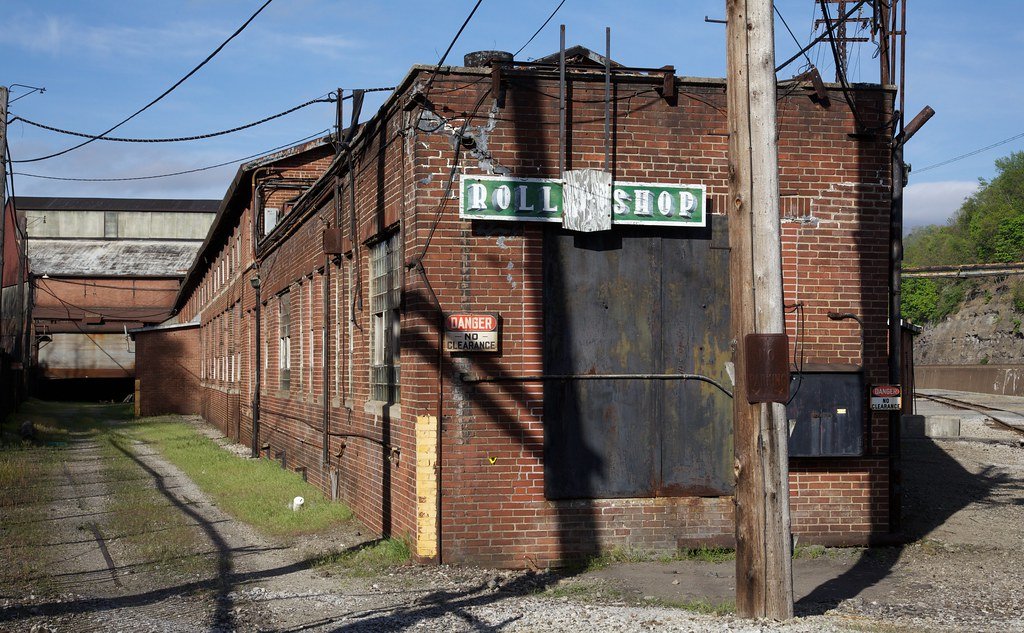
The Grandview Cemetery on Millcreek Road holds the Unknown Plot — 777 flood victims buried without identification — and offers a quiet, elevated view of the city. The Heritage Discovery Center in Cambria City covers the other side of Johnstown's story: the waves of Central European immigrants who worked the steel mills and shaped the city's culture.
Nearby state parks including Prince Gallitzin, Keystone, and Kooser offer boating, fishing, and swimming. The surrounding rivers are popular for rafting, canoeing, and kayaking.