San Angelo
©
San Angelo

San Angelo

West Texas river city in ranch country, known for Fort Concho and rodeo culture.

San Angelo sits on the Concho River in the wide-open rangeland of West Texas, a city of about 100,000 that feels more remote than its size suggests. Getting here means long stretches of two-lane highway through dry, empty country — and that remoteness is part of the appeal. This is ranch country, and the city wears its cowboy heritage proudly: the San Angelo Stock Show and Rodeo is one of the largest in Texas, drawing competitors and crowds from across the state every spring.

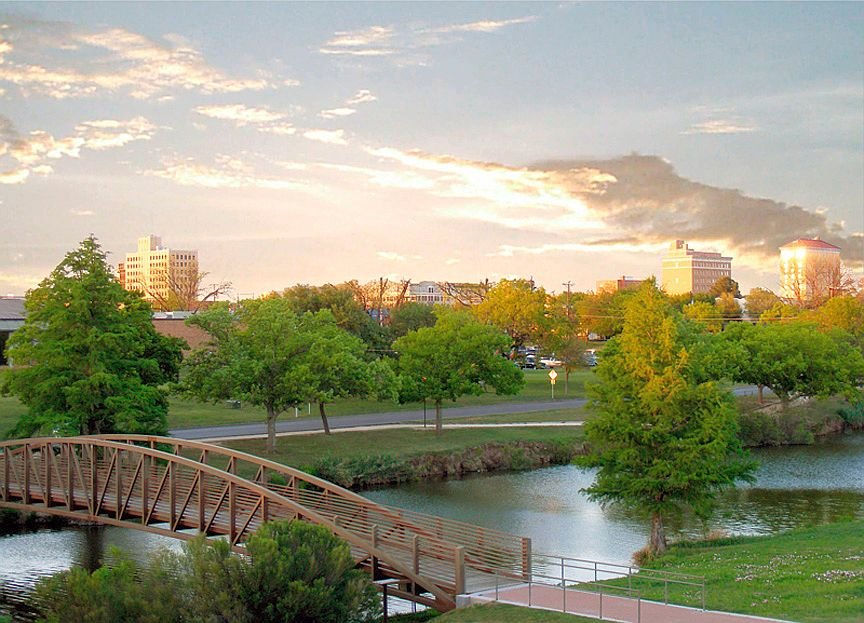
The Concho River Walk winds through the heart of town, a surprisingly green ribbon of parks and public art along the water. Fort Concho, one of the best-preserved frontier forts in Texas, sits on the south bank — a National Historic Landmark with over twenty original stone buildings from the 1870s. San Angelo State Park spreads across the shores of the O.C. Fisher Reservoir west of town, good for hiking, mountain biking, and spotting the official state longhorn herd that roams the park.

Goodfellow Air Force Base and Angelo State University give the city more energy and diversity than you might expect this far from anywhere. There are solid restaurants, a lively downtown, and a genuinely friendly atmosphere — the kind of place where strangers strike up conversations. If you are crossing West Texas, San Angelo is worth more than a fuel stop.

Guide

Bars and Cafes

Downtown San Angelo has a walkable strip of bars and restaurants along Concho Street and Chadbourne Street, busiest on weekend evenings. The area around the historic downtown is unpretentious — cold beer, live country music, and a friendly crowd. The Deadpool Bar and Eola's are among the regular stops. Angelo State University brings a student population that keeps a few spots lively mid-week. The city is dry in some rural outskirts, so stick to the downtown core for evening options.

Guide

Eating Out

San Angelo eats well for a city of its size and remoteness. This is ranch country, so beef is taken seriously — Zentner's Daughter Steak House, a local institution for decades, does classic West Texas steaks in a no-nonsense setting. Downtown has a decent spread of Mexican and Tex-Mex options. Fuentes on the Concho does reliable enchiladas and fajitas close to the river. The Miss Hattie's complex on Concho Street includes a restaurant in the historic building. For something lighter, the cafes near Angelo State University cater to a younger crowd.

Guide

Getting There

San Angelo Regional Airport (SJT) has daily connecting flights to Dallas/Fort Worth via American Eagle. By road, the city sits at the junction of US 67, US 87, and US 277 — expect long stretches of open highway from every direction. From San Antonio it is about three hours; from Dallas about four. There is no rail service. Greyhound buses connect San Angelo to larger Texas cities, though services are infrequent.

Guide

Things to Do

San Angelo's sights cluster around the Concho River and the compact downtown. The frontier-era Fort Concho anchors the south bank, while the Concho River Walk threads parks and public art through the city centre. The Museum of Fine Arts occupies a striking riverside building nearby. West of downtown, San Angelo State Park spreads across the shores of the O.C. Fisher Reservoir — good for hiking, mountain biking, and spotting the official state longhorn herd. The International Waterlily Collection at Civic League Park is worth a stop if you have any interest in water gardens; it holds one of the finest collections in the world, tended by a botanist who has spent decades tracking down rare species.

Guide

When to Go

Spring (March–May) is the best time to visit: warm days, wildflowers along the roadsides, and the San Angelo Stock Show and Rodeo in late January into February, one of the largest rodeos in Texas. Summers are hot and dry — temperatures regularly exceed 38°C (100°F) — and the O.C. Fisher Reservoir can drop to critically low levels in drought years (the reservoir turned famously red in 2011 due to bacteria in the receding water). Autumn brings cooler temperatures and good conditions for the state park. Winters are mild by northern standards but can see ice storms.