Hanksville
©
Hanksville

Hanksville

Tiny Utah desert crossroads surrounded by Capitol Reef, the Henry Mountains, and sandstone backcountry routes.

Tiny Hanksville is surrounded by overwhelmingly dramatic country. Home to around 300 people, this desert crossroads has a colourful past as a polygamist hideout, an outlaw refuge — Butch Cassidy and his Wild Bunch reportedly frequented the area — and a hardscrabble ranching town. Even today it is not easy to get here; long drives across burning, empty desert are pretty much the only way in.

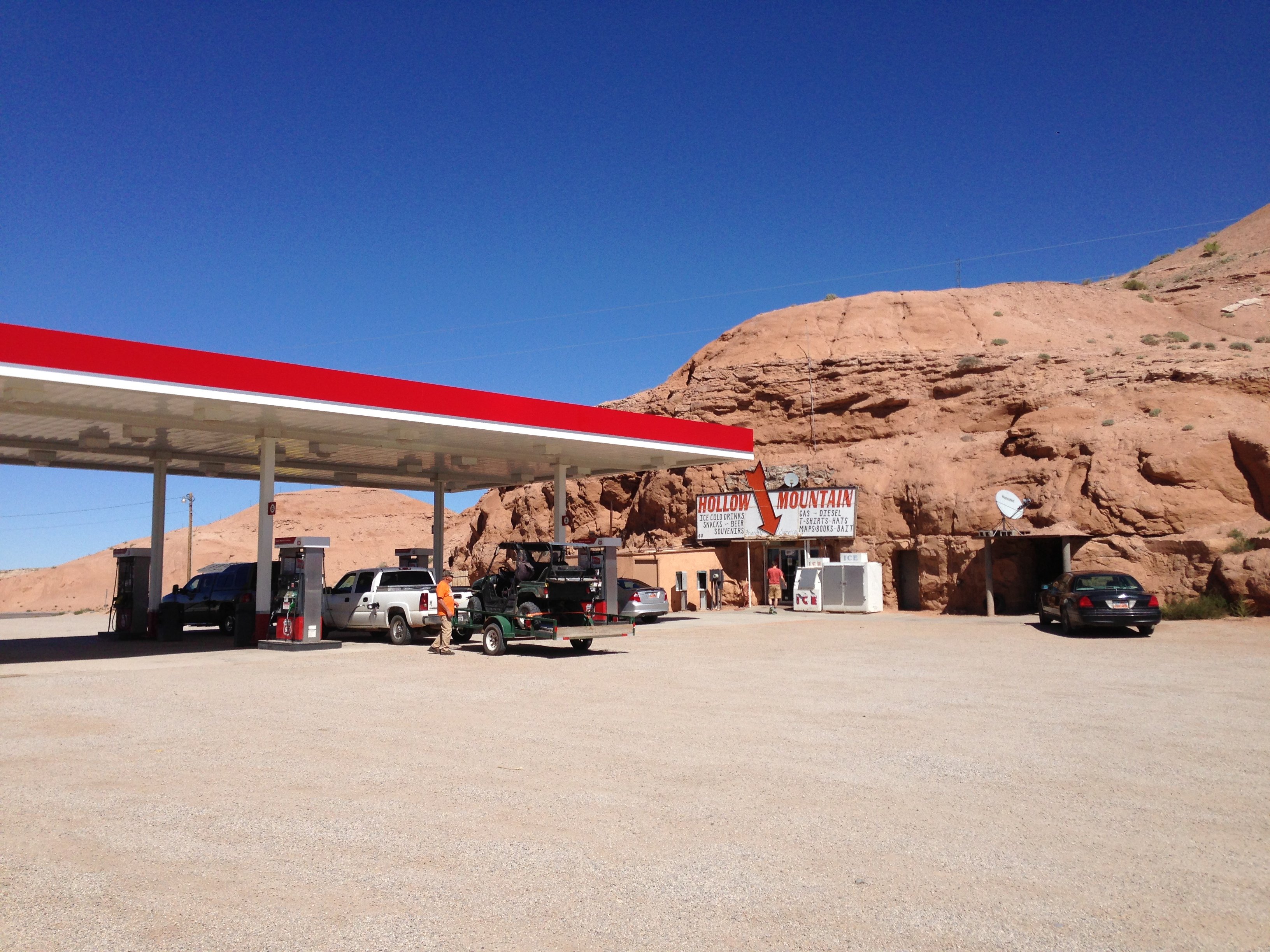
Local landmarks include the Hollow Mountain store and gas station, carved into a sandstone knob, and the restored Wolverton Mill at the BLM office, which was airlifted by helicopter from its original perch on Mount Ellen. Gas, food and lodging are available but limited — fill up here before heading into the backcountry.

Hanksville sits at a junction of routes into some of southern Utah's most spectacular landscape. Highway 24 heads west to Capitol Reef National Park, Highway 95 runs south to Hite Marina and Blanding, and a dusty dirt road wanders into the Henry Mountains toward Lonesome Beaver Campground on Mount Ellen. Just northwest of town, the Mars Desert Research Station operates a simulated Mars habitat in a landscape that NASA researchers consider one of the most Mars-like environments on Earth.

Guide

Things to Do near Hanksville

Hanksville is primarily a launchpad for southern Utah's most remote canyon country. The town itself has two or three genuine points of interest, but the real draws are in the surrounding desert: Capitol Reef to the west, the Henry Mountains to the south, the canyons and mesas of the San Rafael Swell to the north, and the Mars Desert Research Station nearby. If you're arriving by car from any direction, plan to arrive with a full tank.

Guide

When to Go

Spring (April–May) and autumn (September–October) are the best seasons for Hanksville and the surrounding canyon country. Temperatures are manageable, the light is beautiful, and the desert plants are at their best. Summer brings brutal heat — July temperatures regularly exceed 38°C in the valley floor, and the Mars-like terrain offers no shade. Flash floods can close dirt roads without warning during summer thunderstorms.

Winter is cold and snow can close high routes into the Henry Mountains and Capitol Reef's backcountry. The main highway remains open year-round, but be prepared for freezing temperatures at night from November through March.

The bison herd in the Henry Mountains is most easily spotted in late spring and early autumn when the animals move between elevations.