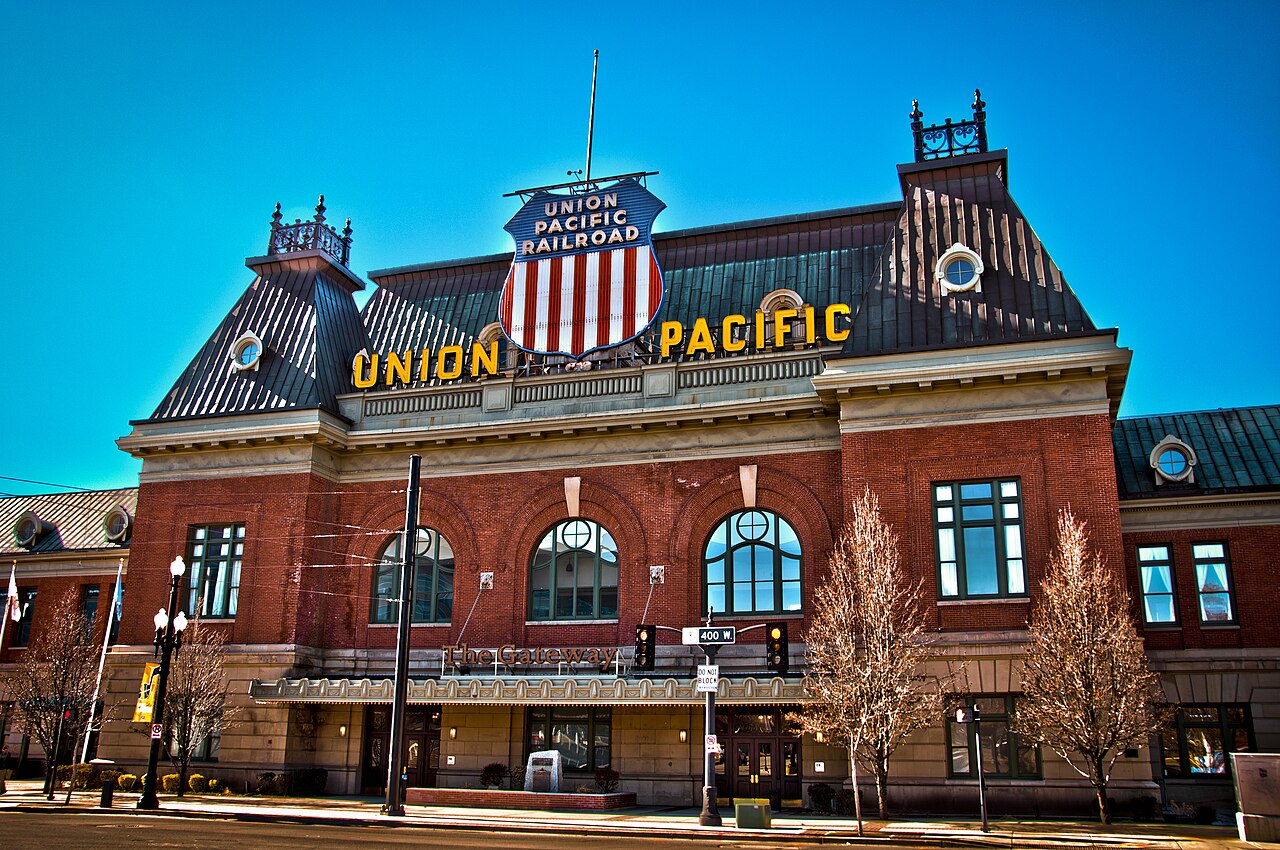
Utah is a state of extraordinary landscapes and of a single religion. The Mormon Church — officially the Church of Jesus Christ of Latter-day Saints — was founded by Joseph Smith in New York in 1830, pushed across the Mid-West by violent persecution, and finally settled in the Salt Lake Valley in 1847 under Brigham Young. Its world headquarters remain in downtown Salt Lake City, and Mormons still make up around 60% of the state's population. The effect on everyday life is real: liquor laws are complex, Sunday is quiet, coffee is relatively hard to find in small towns.
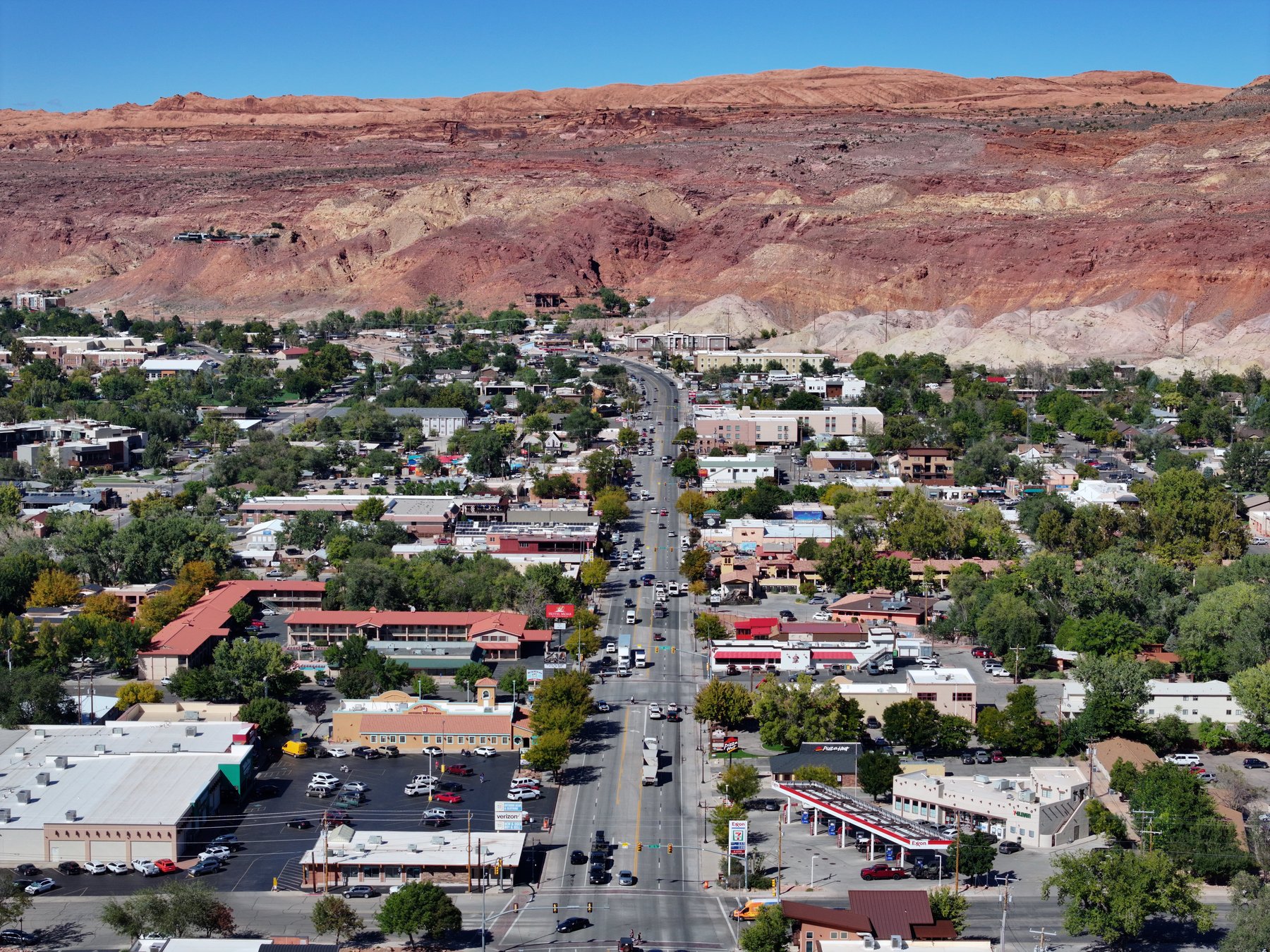
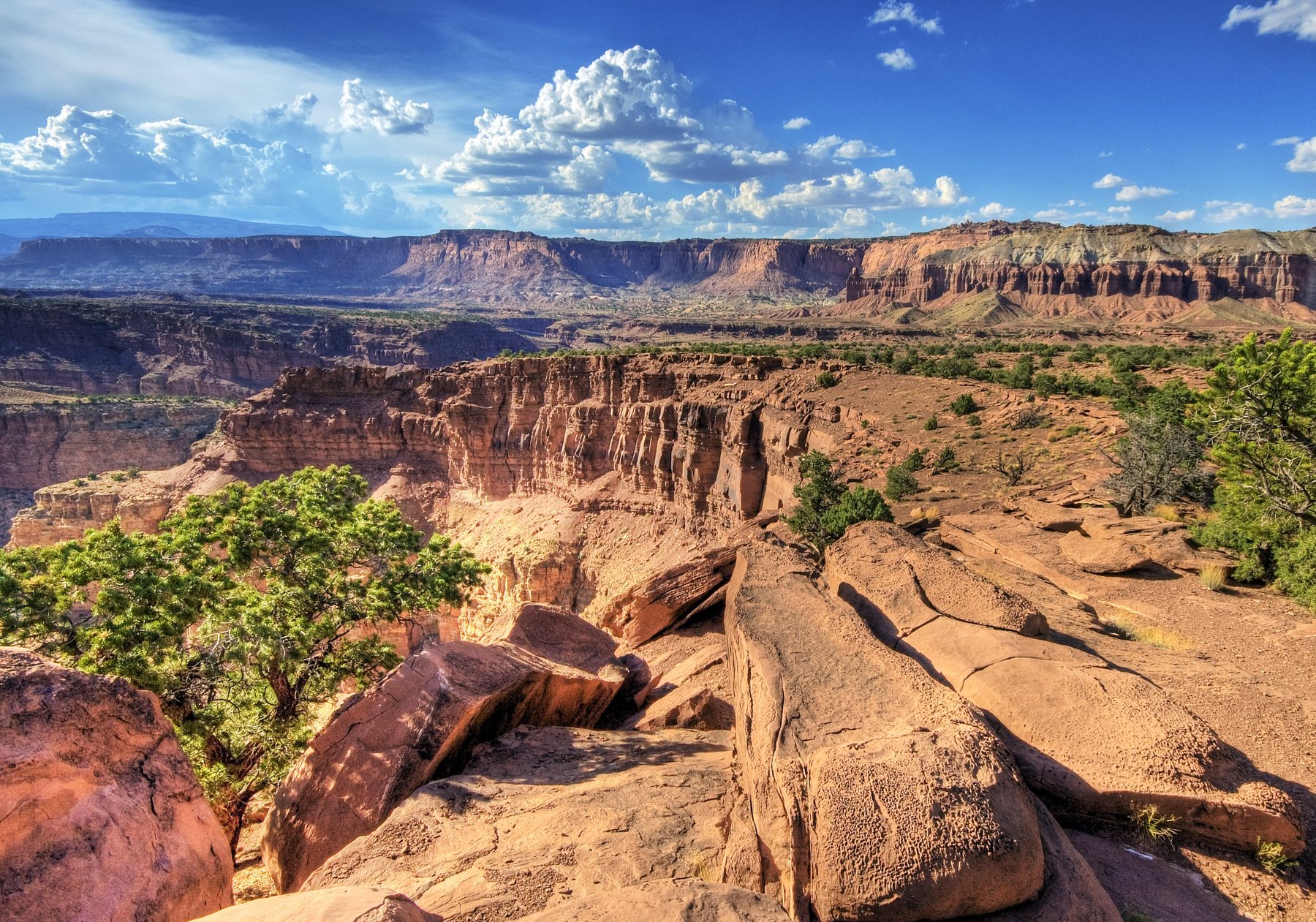
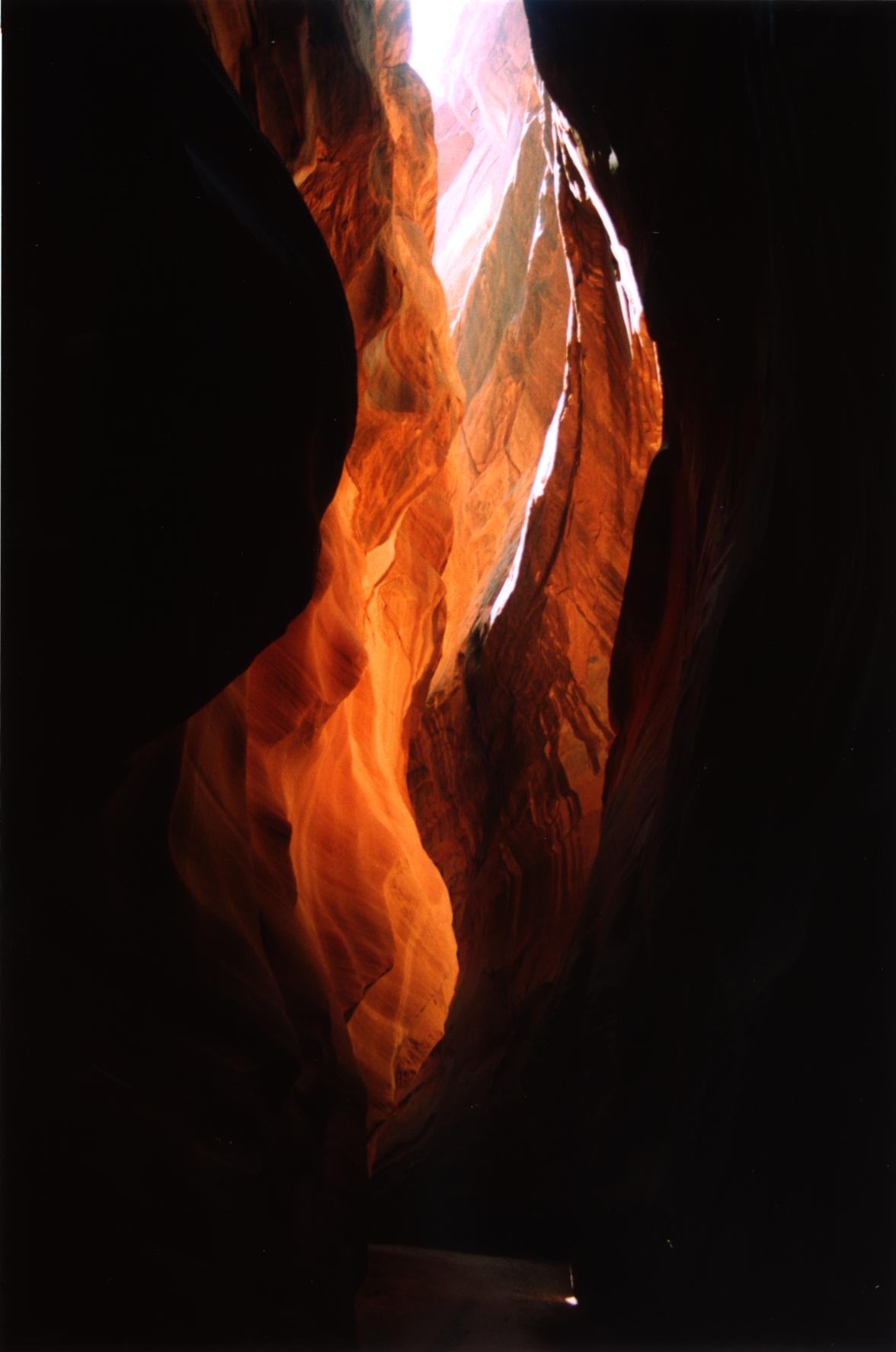
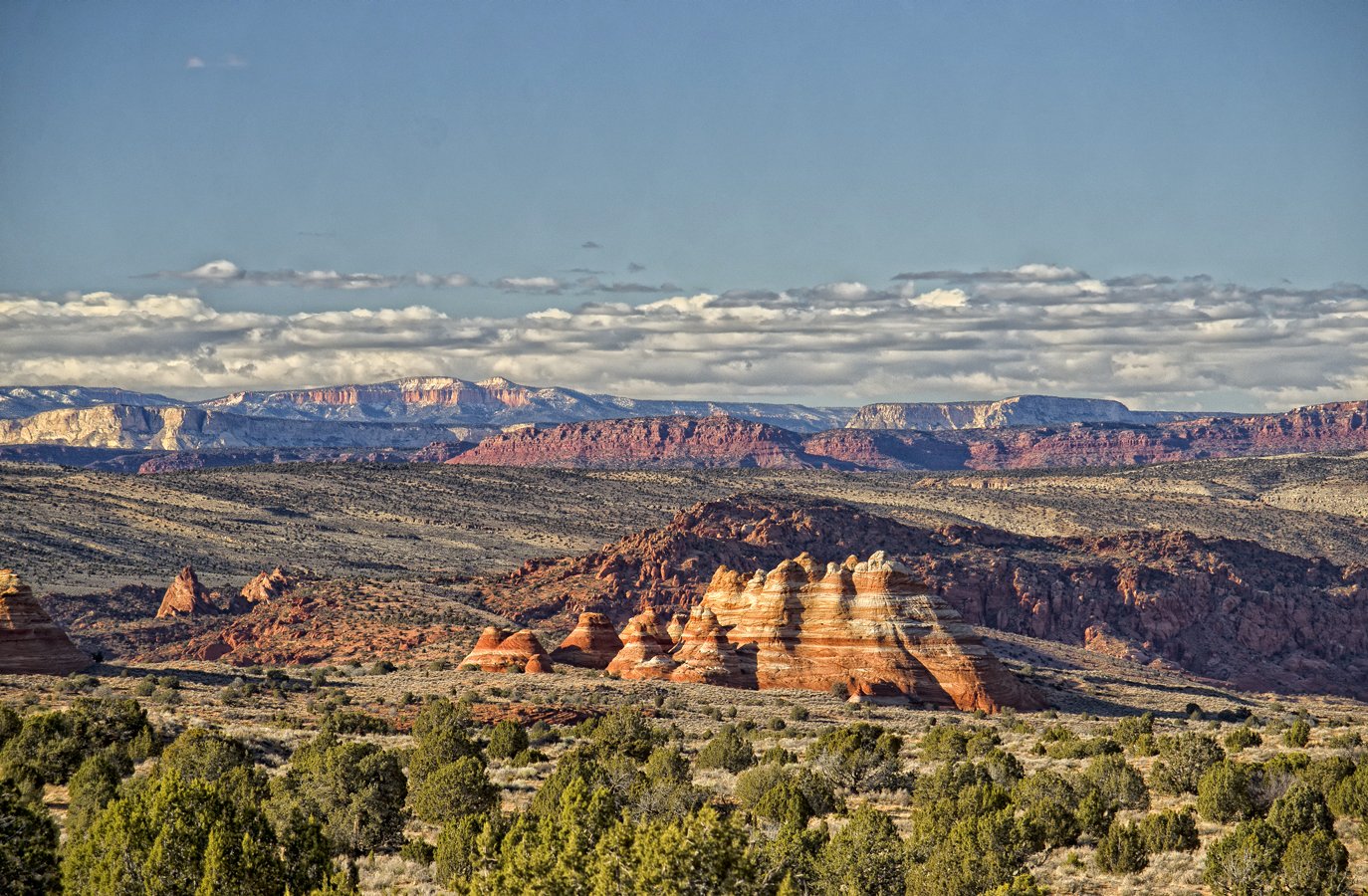
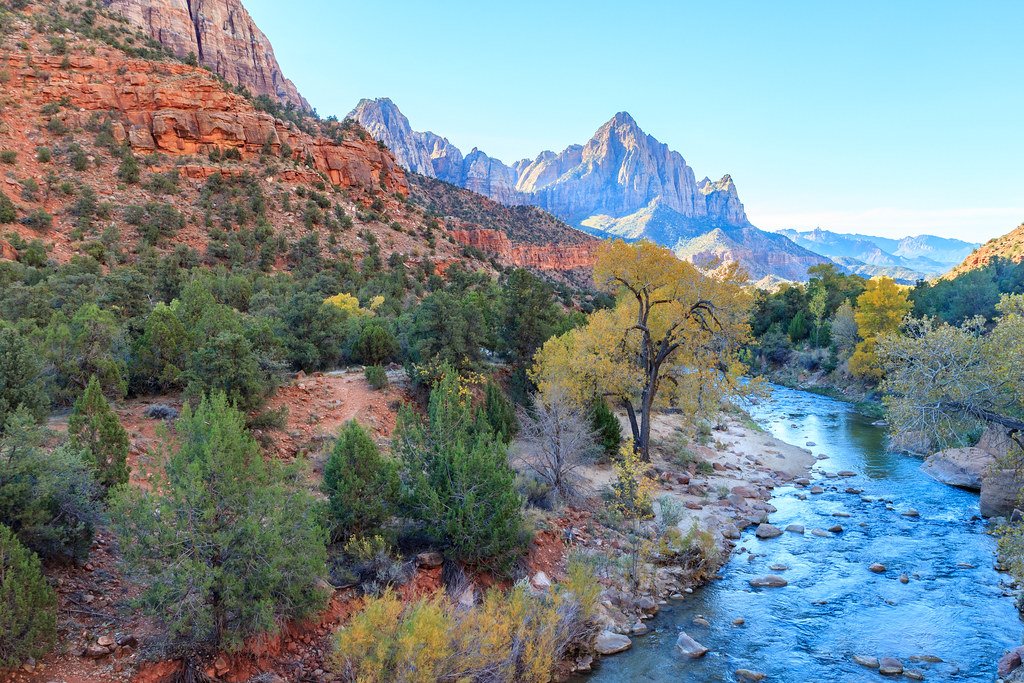
But travellers don't come to Utah for theology. They come for the rocks. The southern half of the state holds five national parks — Zion (near Springdale), Bryce Canyon, Capitol Reef, Canyonlands (near Moab), and Arches — an unmatched density of world-class desert landscapes in one place. Monument Valley on the southern border, shared with the Navajo Nation in Arizona, is the mesa-and-butte country of every John Ford Western. The Grand Staircase-Escalante national monument between Bryce and Capitol Reef is the wildest of all, with slot canyons, hoodoos, and the remote Buckskin Gulch — the longest and deepest slot canyon in the US.
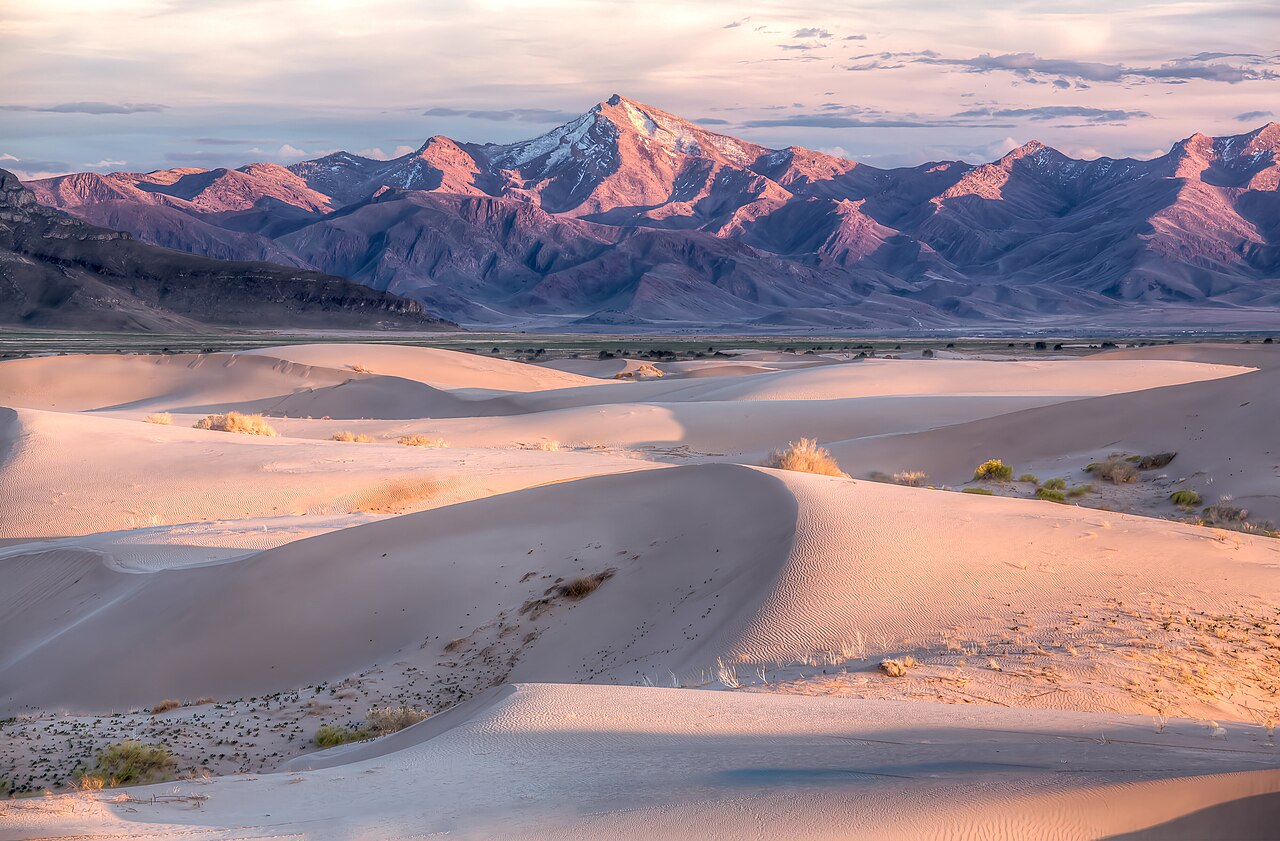
North of the parks, the state turns greener. Salt Lake City sits at the foot of the Wasatch Range, which held the 2002 Winter Olympics. Park City is the classic ski resort and the home of the Sundance Film Festival every January. Ogden, Provo, and Logan are smaller Mormon towns on the same corridor.
The classic Utah trip is a southern loop from Las Vegas: Zion → Bryce → Capitol Reef → Moab (for Arches and Canyonlands) → Monument Valley → back via Page, Arizona and the Grand Canyon's North Rim. Two weeks is ideal; a week with a fast schedule works.
Destinations
- Salt Lake City
- Moab (Arches, Canyonlands)
- Springdale (Zion)
- Park City
- Cedar City
- Ogden
- Kanab
- Bryce Canyon