Antofagasta
©
Antofagasta

Antofagasta

Northern Chilean port city between Pacific cliffs and desert ranges, built on copper wealth.

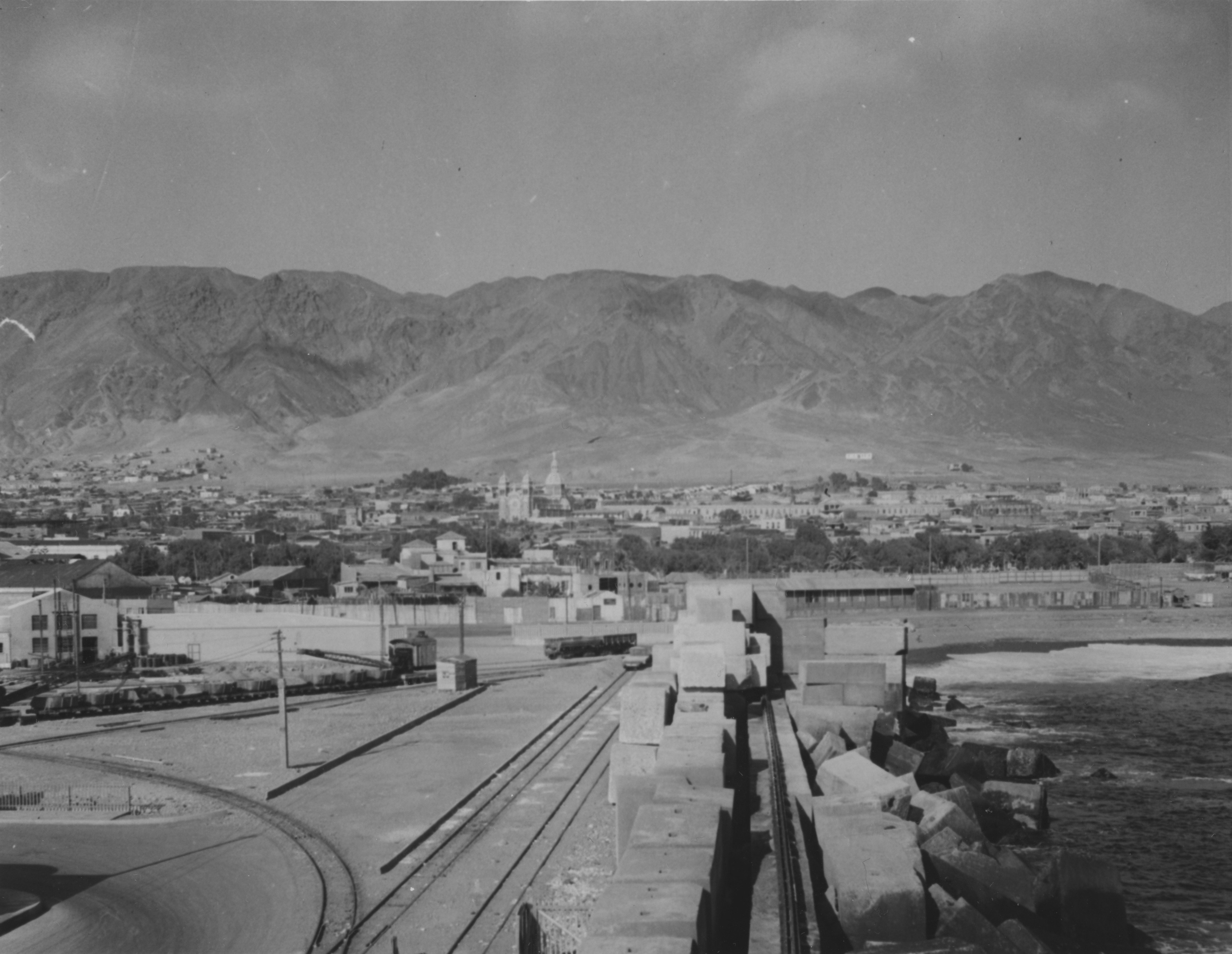
Antofagasta is the largest city in northern Chile and the capital of the region that bears its name. It is a functional, modern port city built on copper wealth — not a destination in itself, but a practical hub for exploring the Atacama Desert and the northern coast.

The city sits on a narrow strip between the Pacific and the coastal range, with a pleasant year-round climate that rarely drops below 10°C even at night. The main draw nearby is La Portada, a dramatic natural arch of eroded cliff rock rising from the sea about 16 kilometres north. Juan López, a small beach settlement roughly 40 kilometres north, is popular with windsurfers.

In the city centre, Plaza Colón and the old Customs House (now the Regional Museum) are worth a short walk. St. Joseph's Cathedral on the plaza reflects the strong British community that shaped the city during the nitrate era. Antofagasta is also the jumping-off point for trips inland to the Atacama — the mining ghost town of Humberstone, the geysers of El Tatio, and the altiplano lakes are all within reach on day trips.

Guide

Day Trips

Antofagasta's greatest value as a destination is as a launching point for the Atacama and the surrounding region. Several worthwhile excursions are within reach on a day or overnight trip.

Humberstone and Santa Laura — Two nitrate mining ghost towns about 180 kilometres north of Antofagasta (and 45 km east of Iquique), now preserved as a UNESCO World Heritage site. The ruins of the company town infrastructure — theatre, church, swimming pool, workers' housing — give an uncommonly clear picture of the controlled economy that the nitrate companies imposed on their workers in the 19th and early 20th centuries. Most visitors combine them with a stop in Iquique.

Calama and Chuquicamata — Calama is 215 kilometres northeast of Antofagasta via the Panamericana. On the outskirts of Calama, the Chuquicamata copper mine is one of the largest open-pit mines on earth — nearly 5 kilometres across and almost a kilometre deep. Codelco runs daily public tours of the mine by advance booking.

San Pedro de Atacama — The main tourist hub of the Atacama desert sits about 270 kilometres northeast of Antofagasta at 2,400 metres elevation. From here you can reach the Valle de la Luna, the geysers of El Tatio, flamingo-filled altiplano lakes, and the stark salt flat of the Salar de Atacama. Budget at least two days to see the main sites; a full week is better.

El Tatio Geysers — The world's highest geyser field at 4,300 metres, about 90 kilometres north of San Pedro de Atacama. The geysers are most active at dawn, so the standard tour leaves San Pedro at 4am. The landscape of bubbling mud pools and steam columns against the sunrise is spectacular; be prepared for freezing temperatures at that altitude and hour.

Guide

Getting There

Antofagasta has regular air connections to Santiago and other Chilean cities, as well as long-distance bus services.

By air: Andrés Sabella Gálvez International Airport is about 20 kilometres north of the city centre. LATAM and Sky Airline operate multiple daily flights to Santiago (around 2 hours); there are also services to Calama, Iquique, and Arica. Taxis and shared transfers connect the airport to the city.

By bus: Long-distance buses serve Antofagasta from Santiago (around 18 hours), Calama (around 3 hours), and other northern cities. The bus terminal is on Avenida Pedro Aguirre Cerda in the southern part of the city. Several companies operate the Santiago route; Pullman and Tur Bus are the main operators.

By car: The Panamericana (Route 5) runs north-south through the Atacama and connects Antofagasta to Iquique to the north and Copiapó to the south. Driving from Santiago takes around 12 hours via the Panamericana.