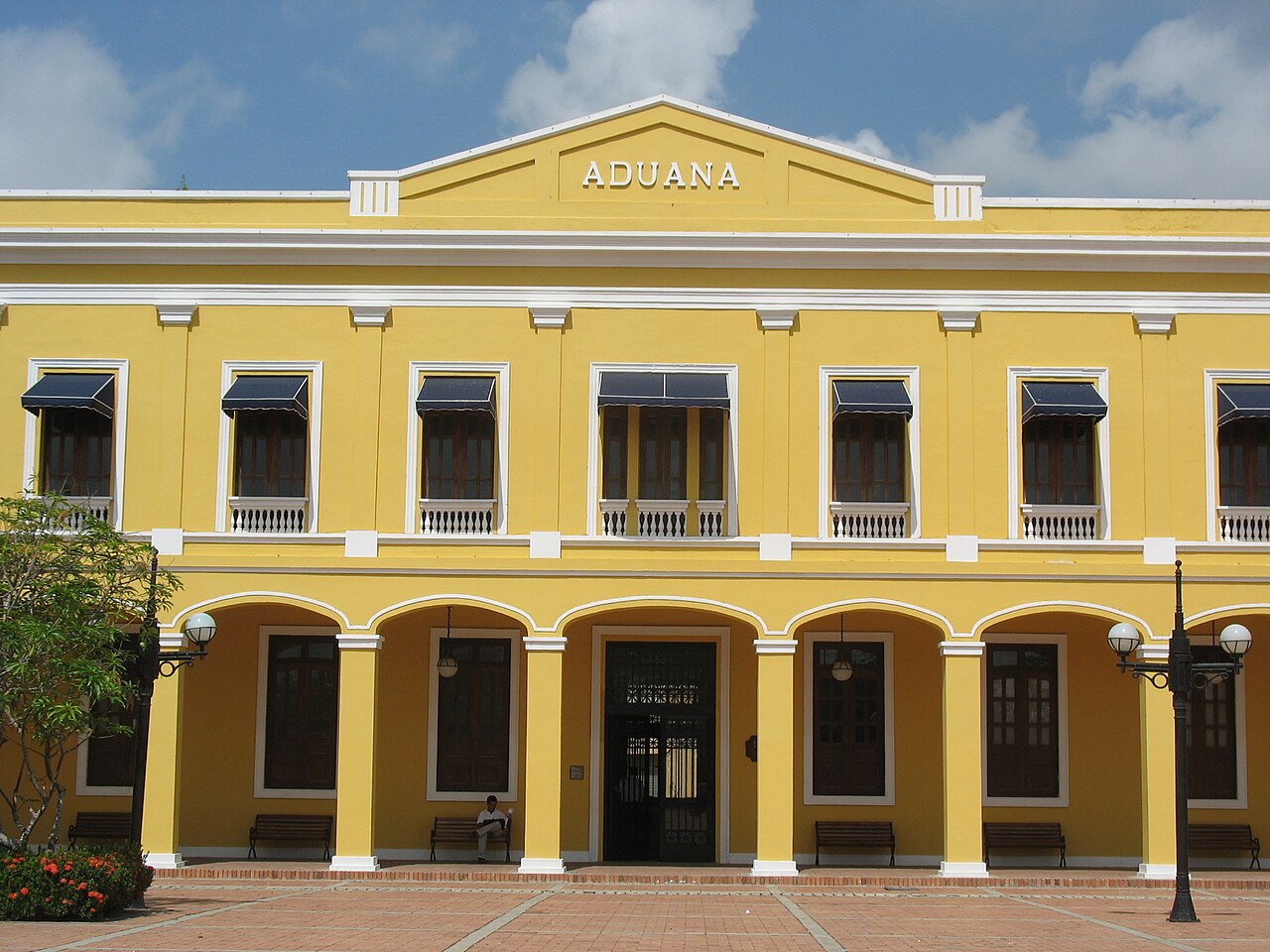
Barranquilla is Colombia's fourth-largest city, a sprawling Caribbean port at the mouth of the Magdalena River. It lacks the colonial beauty of Cartagena or the mountain cool of Bogotá, but it has a raw, unpretentious energy and the country's greatest carnival — the Carnaval de Barranquilla, a UNESCO Masterpiece of the Oral and Intangible Heritage of Humanity, second only to Rio in scale and every bit as exuberant.
The city's identity is shaped by its port history. For most of the 19th and early 20th centuries, Barranquilla was Colombia's main window to the world: all imports and exports passed through here, along with successive waves of immigrants — Lebanese, Palestinian, Italian, and German communities — who left deep marks on the local culture, cuisine, and architecture. The Arab influence is still visible in the city's restaurants and in family names throughout the business community. Barranquilla is also the birthplace of Shakira, and locals are unreserved in their pride about the fact.
The food scene reflects this crossroads position. Street vendors sell arepas de huevo, empanadas, and tropical fruit everywhere, while sit-down restaurants range from fresh seafood to Arab cuisine brought by generations of Lebanese and Palestinian immigrants. Calle 70 in the Zona Norte is the main restaurant and nightlife strip, packed with bars and clubs that spill onto the pavement on weekend nights. Cumbia — the foundational rhythm of Colombian popular music — was born along this coast, and you'll hear it everywhere from carnival parades to corner bars.
Beyond carnival season, Barranquilla is a working city with a handful of genuinely excellent museums and a riverfront that is slowly being reclaimed for public life. The Parque Cultural del Caribe and its Museo del Caribe are the cultural heart of the city, and worth half a day of anyone's time regardless of when they visit.