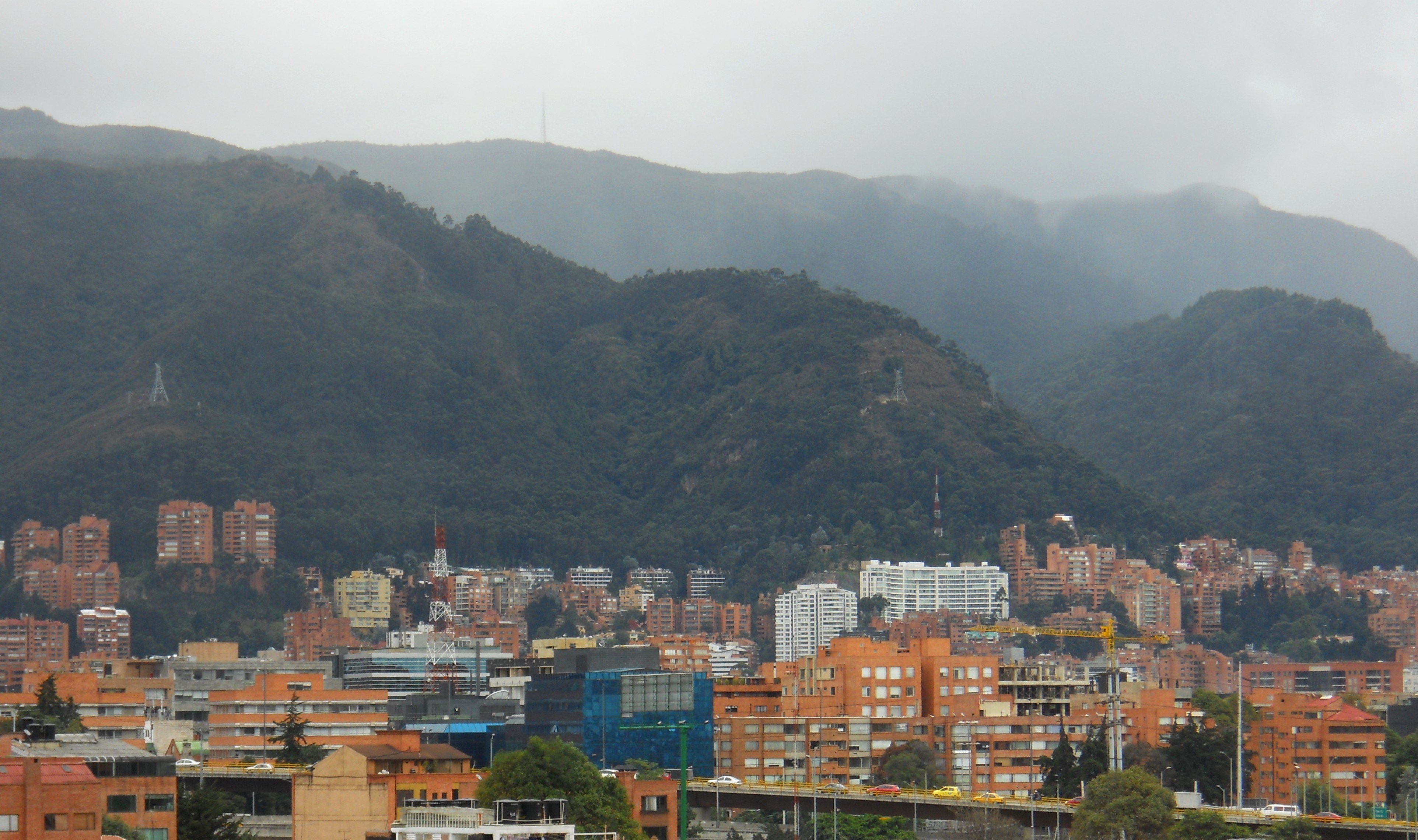
Bogota sits at 2,640 metres in the eastern Andes, a sprawling capital of eight million people where colonial churches share blocks with glass towers and street art covers every spare wall. The altitude catches newcomers off guard -- the air is thin, the sun surprisingly strong, and the temperature hovers around 14 degrees year-round. Give yourself a day to adjust before tackling the hills.
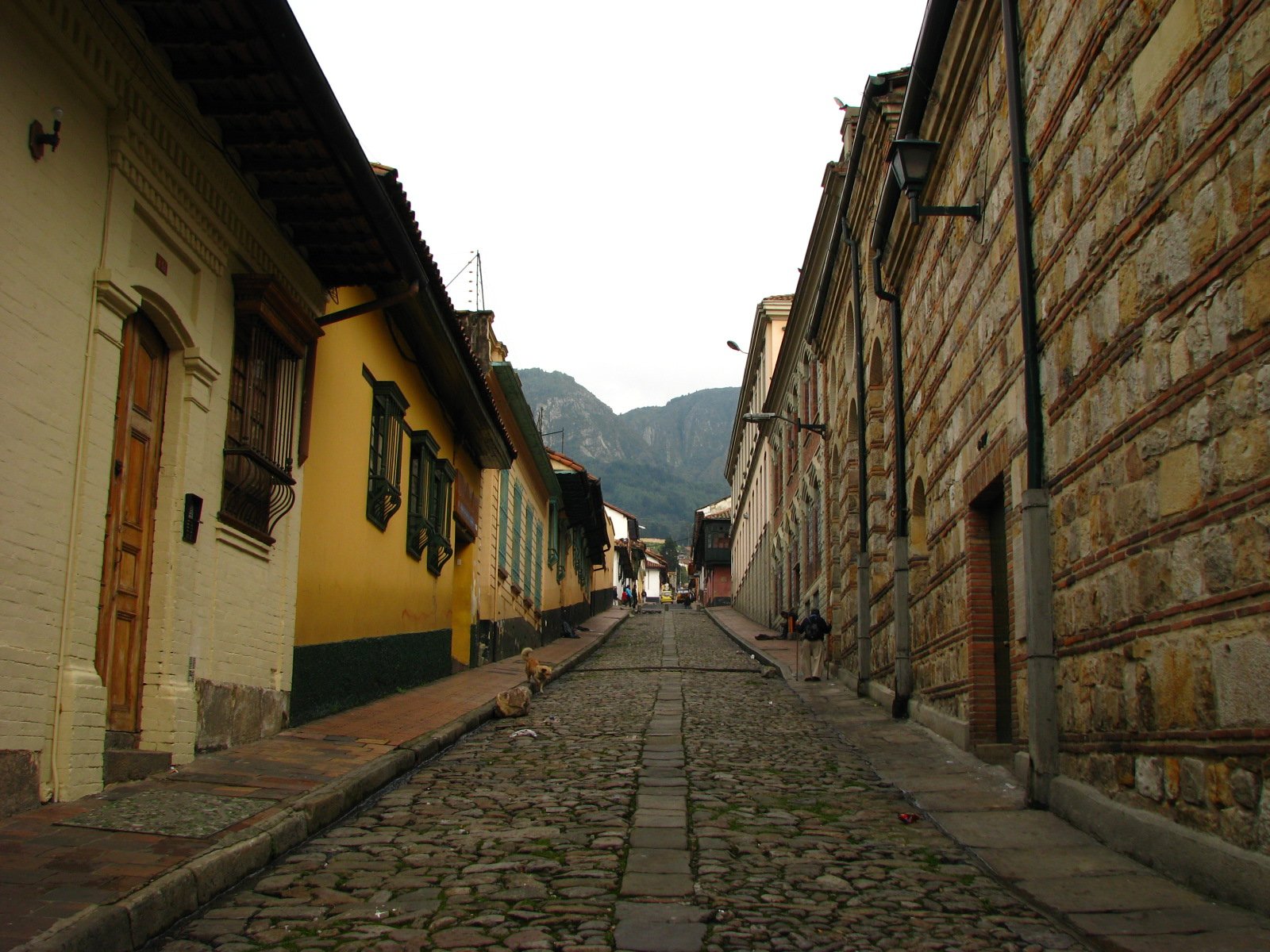
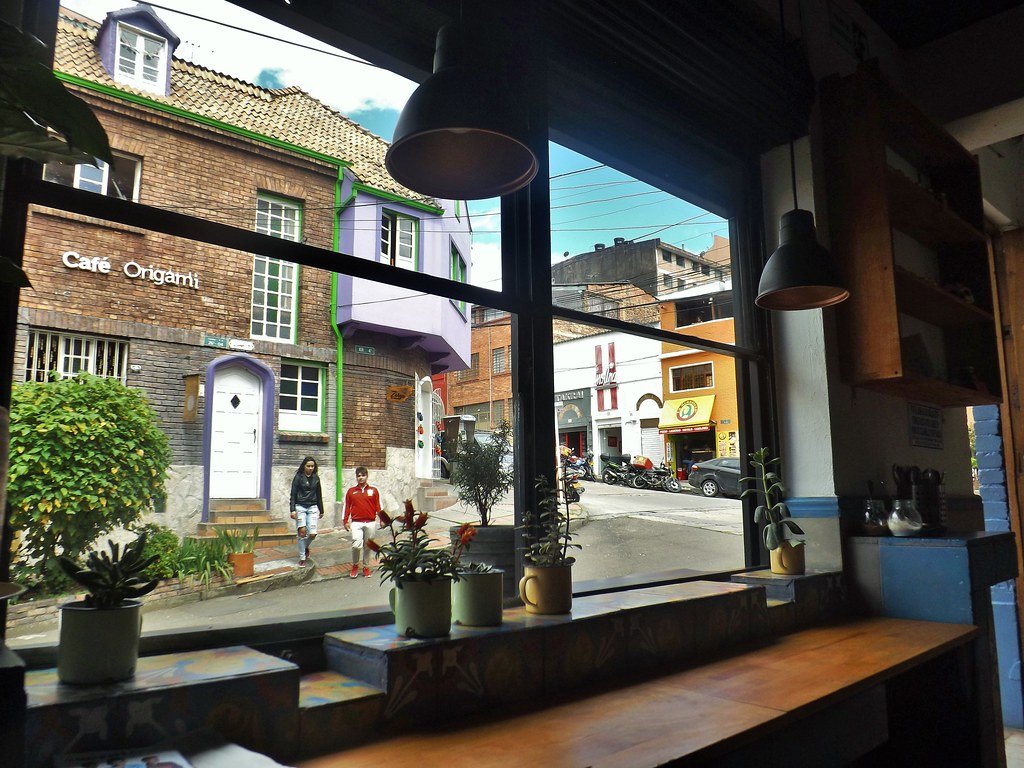
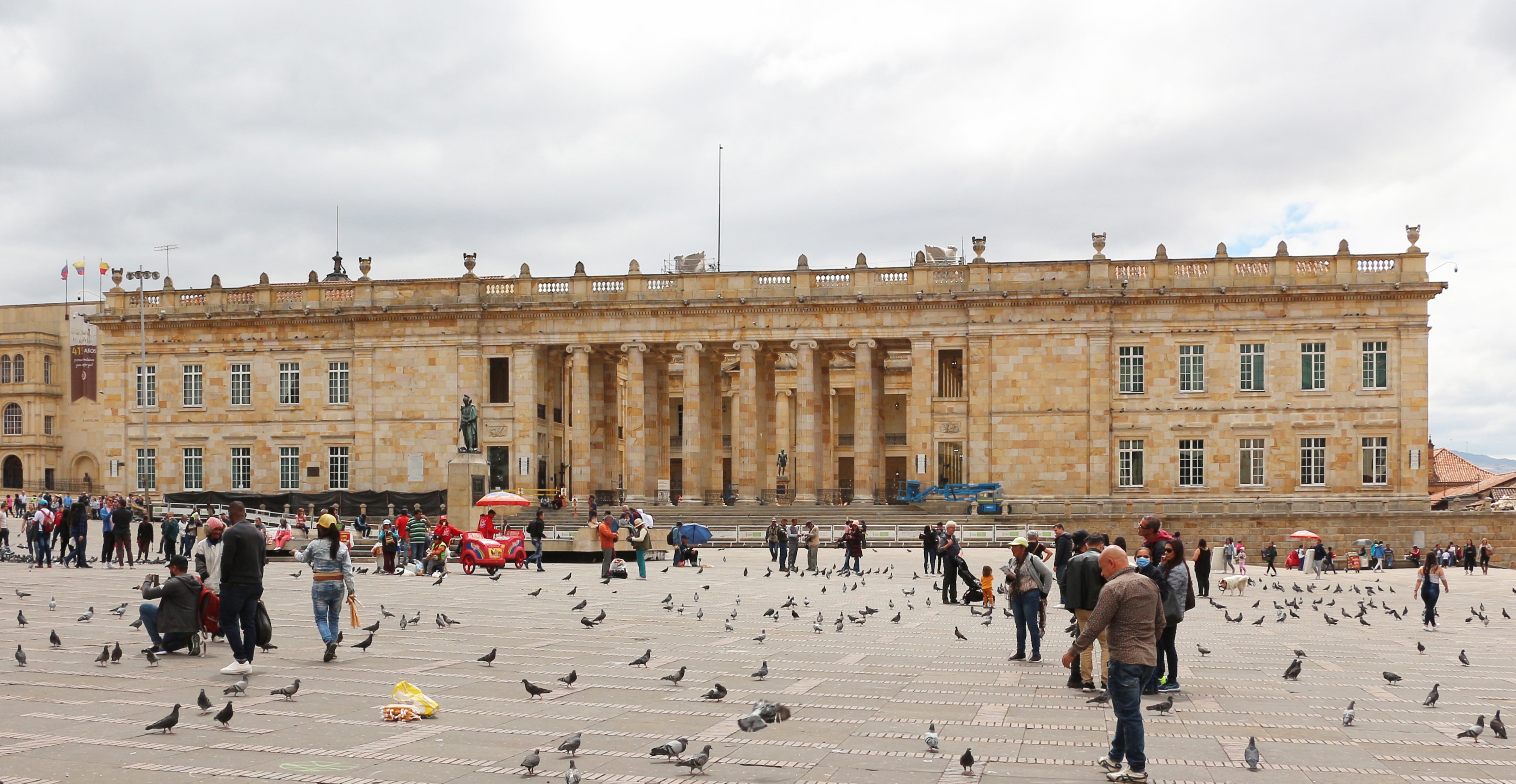
The historic heart is La Candelaria, a tight grid of cobblestoned streets lined with painted colonial houses, universities, and more museums per block than anywhere else in South America. Plaza Bolivar anchors the district, flanked by the cathedral, the congress, and the Palace of Justice. From here it is a short walk to the Museo del Oro, home to the world's largest collection of pre-Columbian gold, and the Museo Botero, where Fernando Botero's rotund figures share space with Picassos and Dalís.
The cable car up Monserrate is the one thing every visitor does, and for good reason -- the view from 3,150 metres over the city and the savanna beyond is extraordinary. Go on a clear morning. The northern neighbourhoods around the Zona Rosa and Parque de la 93 are where Bogotanos go out at night: salsa clubs, craft beer bars, upscale restaurants. The contrast with the grittier south is sharp.
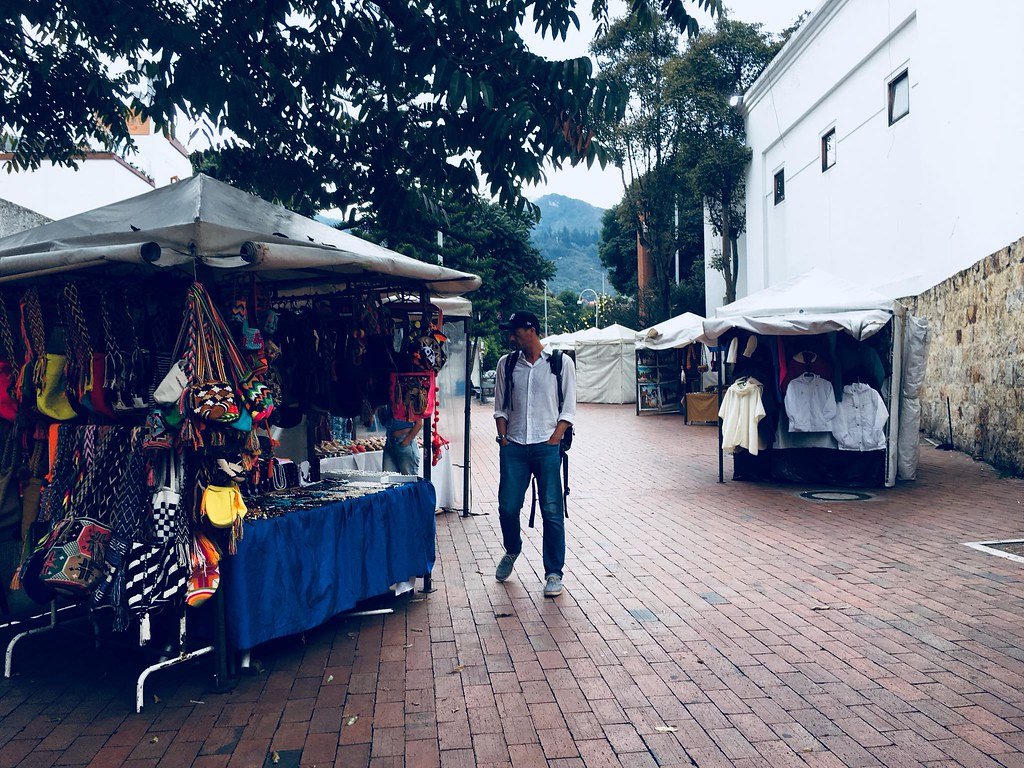
On Sundays, the Ciclovía closes over 120 km of roads to traffic, turning the city into an enormous cycling and walking circuit. The Parque Simón Bolívar and Usaquén's colonial square with its flea market are both worth a morning. For architecture, Rogelio Salmona's Biblioteca Virgilio Barco at the edge of the park is one of the finest modern buildings in South America.
Bogota is the jumping-off point for day trips to the salt cathedral of Zipaquira, the colonial village of Villa de Leyva, and the lakes and páramo of the surrounding highlands. Spend at least three days here -- the city rewards those who slow down and wander.