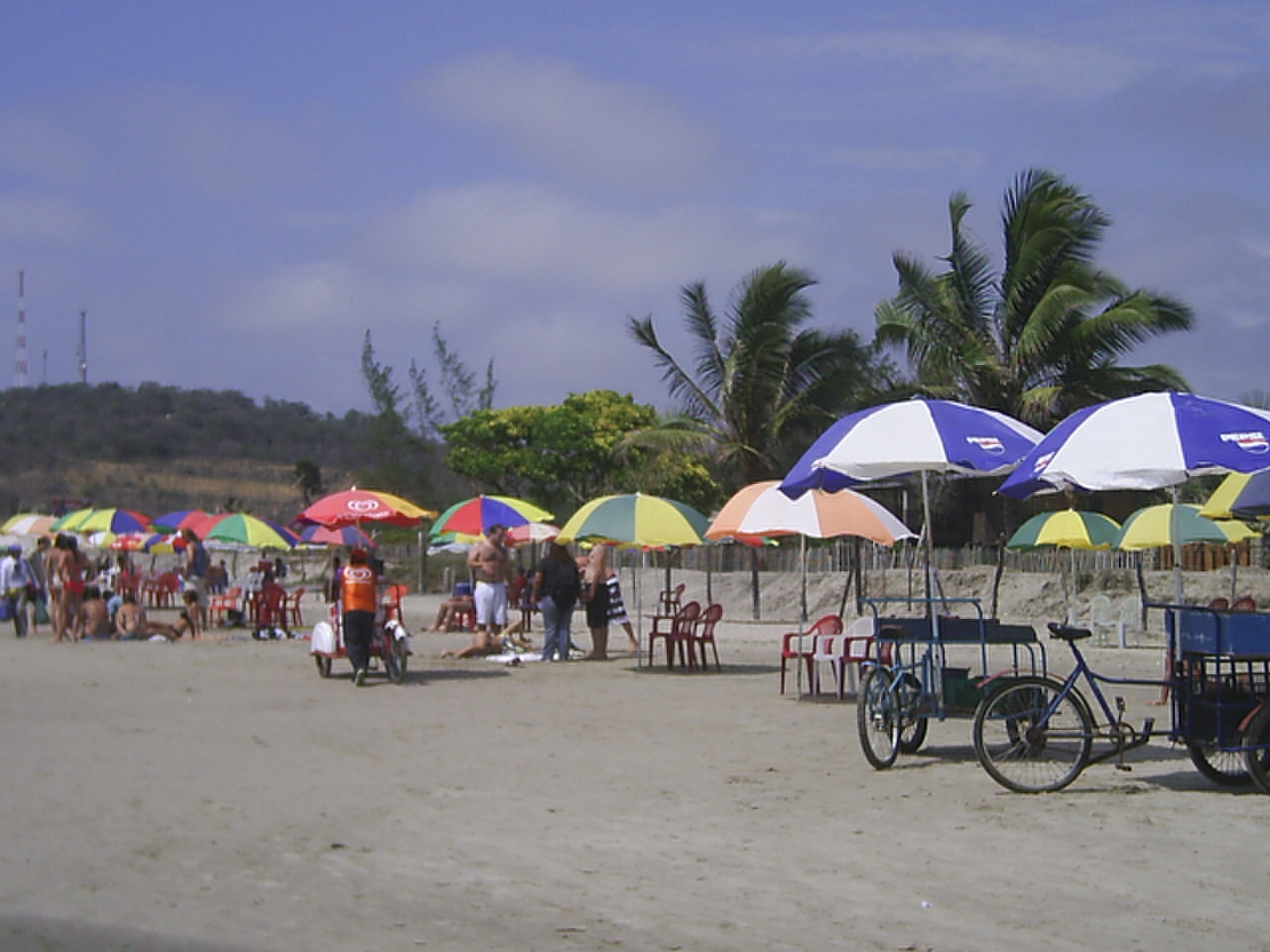
Montañita
©
Montañita

Montañita

Small Ecuadorian surf village on the Santa Elena coast, known for long left-hand waves and weekend nightlife

Montañita is a small surf village on the south coast of Ecuador's Santa Elena Peninsula, and it punches well above its weight. Two sandy streets, a cluster of cafes and surf shops, and a beach that pulls in long, consistent waves — that is essentially the whole town, and for many travelers it is more than enough. La Punta, the headland at the southern end, produces the best left-hand surf break on this stretch of coast.

During the week the pace is slow: surfers drift between the water and the cafes, and the village feels genuinely laid-back. Weekends are a different story. Ecuadorians pour in from Guayaquil and Quito, the bars fill up, and the streets stay noisy into the small hours. The monthly full moon party, held at a beach a short distance south of town, draws a mixed crowd of backpackers and locals and is worth timing a visit around if you can. Nativa Bambu is the biggest bar in town and the centre of the nightlife.

Montañita is firmly on the backpacker circuit, which means cheap food, a friendly crowd, and a ready supply of surfboard rentals. It is also on the equatorial coast, which means the sky is often overcast, especially from June to November when the Humboldt Current keeps temperatures mild but the sun elusive. Come between December and May for the best combination of surf and sunshine. One practical warning: the town's ATM runs out of cash regularly on busy weekends. Bring enough from Guayaquil or Salinas to cover your stay.

Guide

Activities

Montañita is a surf town that became a party town and is still both, depending which end of the beach you are on. The point break at the north end works best from December to May; the beach breaks are gentler and are where the schools teach.

Lessons and board hire are arranged at the beach more often than online, and the rate is usually per hour with the board included.

Guide

Bars and Cafes

Montañita's nightlife is genuinely lively by Ecuadorian coastal standards. The main strip through town fills up after 10pm on weekends with bars, cocktail stalls, and the sounds of reggaeton and cumbia competing for attention. The full moon party south of town draws the largest crowds of the month. During the week it is quieter, and you can sit at a beachfront table and drink a cold beer without the noise becoming overwhelming.

Guide

Eating Out

Food in Montañita is cheap and focused on the sea. Ceviche made with freshly caught fish or shrimp is the standard — served with popcorn and toasted maíz in the Ecuadorian way, not the Peruvian style — and the quality is consistently good when the cevicherias are fresh. Grilled fish of the day is the other staple. A full meal at a beachfront stall rarely costs more than a few dollars.

More substantial restaurants are clustered on the main street through town. The international backpacker crowd has generated a few pizza and pasta options that are reliable enough. For the best seafood, look for the places where local fishermen eat rather than the tourist-facing operations on the main drag.

Guide

Things to Do

Montañita is a small town and its attractions are correspondingly simple: surf, beach, food, and nightlife. The surf at La Punta is the main draw for most visitors, and the consistent waves make it a genuine surf destination rather than just a beach resort with boards for hire. Lessons and rental are both available at shops along the main street, and the instructors are generally patient and competent. Beyond surfing, the beach itself — wide, sandy, and clean — is the activity. Nearby Ayampe, 15 minutes north by bus or motorbike, is quieter and has its own surf break.

Guide

When to Go

The best time to visit Montañita is between December and April, when the warm northern currents push the water temperature up to around 24°C and the skies are sunnier. The surf is also strongest and most consistent during these months, making this the peak season for both surfers and beach holidaymakers.

From June to November the Humboldt Current dominates, bringing cooler water (around 20°C), more cloud cover, and mist in the mornings. The waves are still surfable but the beach atmosphere is less reliably sunny. This shoulder season is quieter and cheaper. The full moon party happens monthly year-round and draws the biggest crowds of any given month regardless of season. Ecuadorian school holidays in July and August bring domestic visitors in volume.