Afro-Ecuadorian port city at the Esmeraldas River mouth, known for marimba culture and coastal food.
Esmeraldas is both the capital of the province of the same name and the centre of Afro-Ecuadorian culture — music, dance, and a cuisine that owes more to the Caribbean than to the Andes. The city itself is a working port at the mouth of the Esmeraldas River, gritty rather than picturesque, with a long grey-sand beach at Las Palmas, a small but excellent pre-Columbian museum, and a vibrant marimba-and-drum musical tradition that UNESCO has put on its intangible heritage list. Most travellers move through quickly on the way to the resort beaches, but the city rewards a day or two for the food and the music.
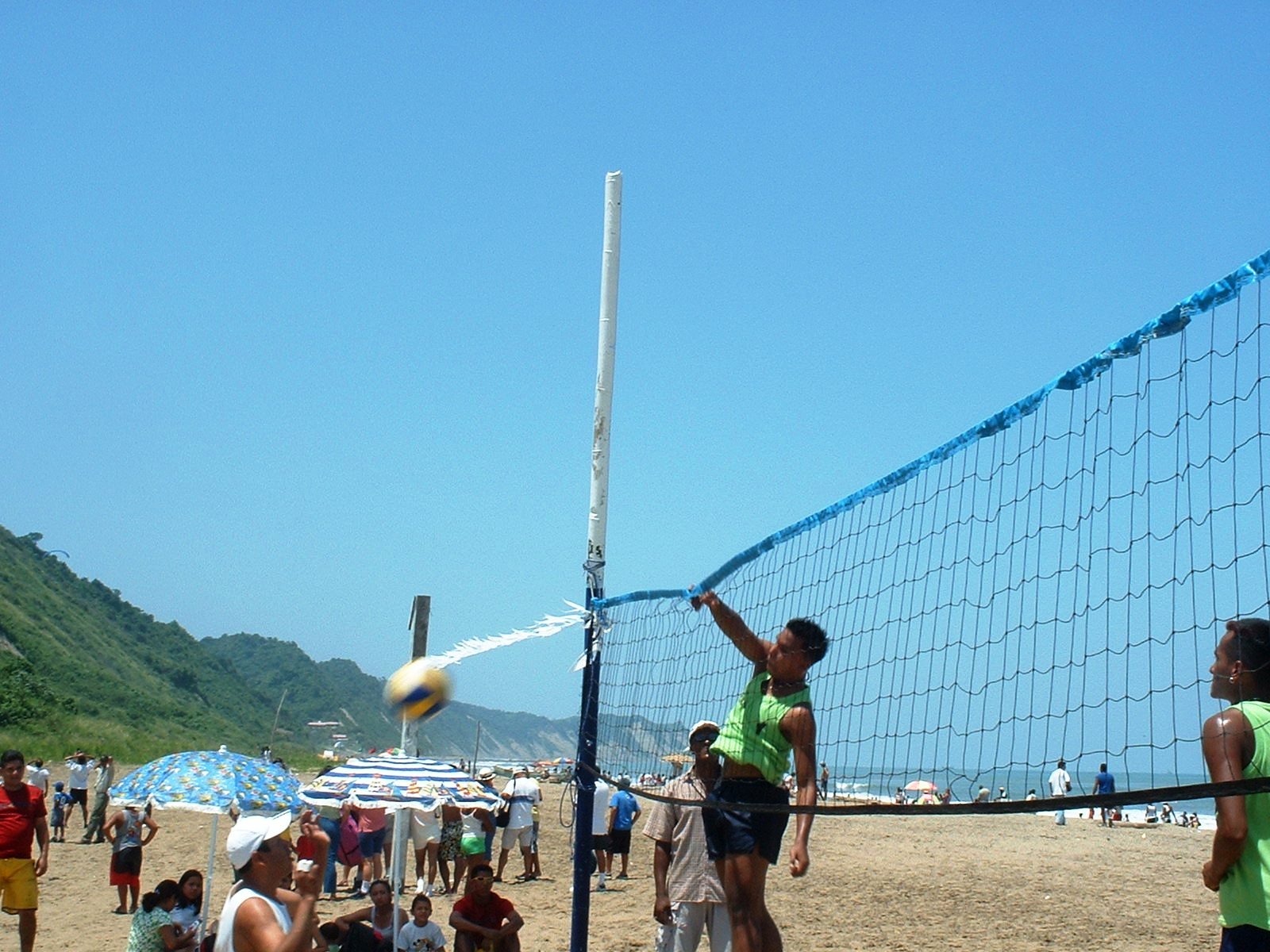
The province stretches along Ecuador's northern Pacific coast — poor in money, rich in wildlife and nature. The popular beach towns of Atacames, Tonsupa, Súa, and Same serve as Quito's seaside playground and fill up on weekends and holidays. The nightlife in Atacames is loud and lively, though the crowds can be overwhelming.
The real draw lies beyond the party beaches. South of Atacames, hidden stretches of coast like Playa Escondida, Mompiche, and Portete see far fewer visitors — quieter, harder to reach, and ideal for anyone who wants equatorial sun and sand without the crowds.
Inland, the northern part of the province holds some of the Chocó rainforest, one of the most biodiverse regions on earth, with more rainfall than the Amazon itself. Birdwatchers come for species like the Umbrella Bird and the Cock of the Rock. Sea kayaking and river canoe expeditions can take you into remote forest areas that feel genuinely untouched. The Chocó is under constant pressure from logging, and several community-based sustainable tourism projects are working to offer local families an alternative to cutting down trees.
Guide
Eating Out
Esmeraldan cooking is closer to Caribbean and West African food than to anything you find inland in Ecuador. The defining ingredient is coconut milk (leche de coco), and the regional specialities all use it: encocado (fish or seafood in coconut sauce, served over rice and patacones), tapao (steamed fish with green plantain), and cazuelas (a heavier seafood stew thickened with peanut). Local plantain dishes — bolones, patacones, and bala (a sweet-savoury plantain dumpling) — are everywhere.
The best places to try them are the small cevicherías and family restaurants in Las Palmas and along the malecón. Markets serve the cheapest and often the best food: ask for encocado de pescado or encocado de camarón.
Coconut sweets and tropical fruits — guanábana, zapote, borojó — are sold from carts everywhere.
Guide
Getting There
By air. Esmeraldas has a small airport, Carlos Concha Torres (ESM), with daily flights from Quito (about 30 minutes). It is the easiest way to reach the coast from the highlands.
By road. Buses from Quito take about 6–7 hours via Calacalí and the road that drops down through cloud forest. From Guayaquil the coastal route via Manta and Pedernales is about 9–10 hours. From Cali and the Colombian border at San Lorenzo, regular buses run south down the coast.
The bus terminal is in the southern part of the city; the city centre and Las Palmas are about 15 minutes by taxi.
Safety note. The province has had problems with organised crime in recent years, particularly along the Colombian border. Travel between cities is generally fine during the day; ask locally before night moves.
Guide
When to Go
The coast around Esmeraldas has a wet season from January through April — warm air, regular afternoon downpours, and the sea at its warmest. May through December is drier and a few degrees cooler, with the heaviest tourist crowds at Atacames and Súa during Ecuadorian holidays (Carnaval in February, Easter, July–August school break, Christmas–New Year).
The Festival Internacional de la Música y la Danza Afro is held in Esmeraldas in early October — the best week of the year to come if you want to hear marimba bands and see the currulao danced properly. It draws performers from across the African-Andean coast, including Colombian groups from Buenaventura.