Huánuco
©
Huánuco

Huánuco

Andean valley city known for Kotosh's ancient crossed-hands temple and a mild agricultural setting.

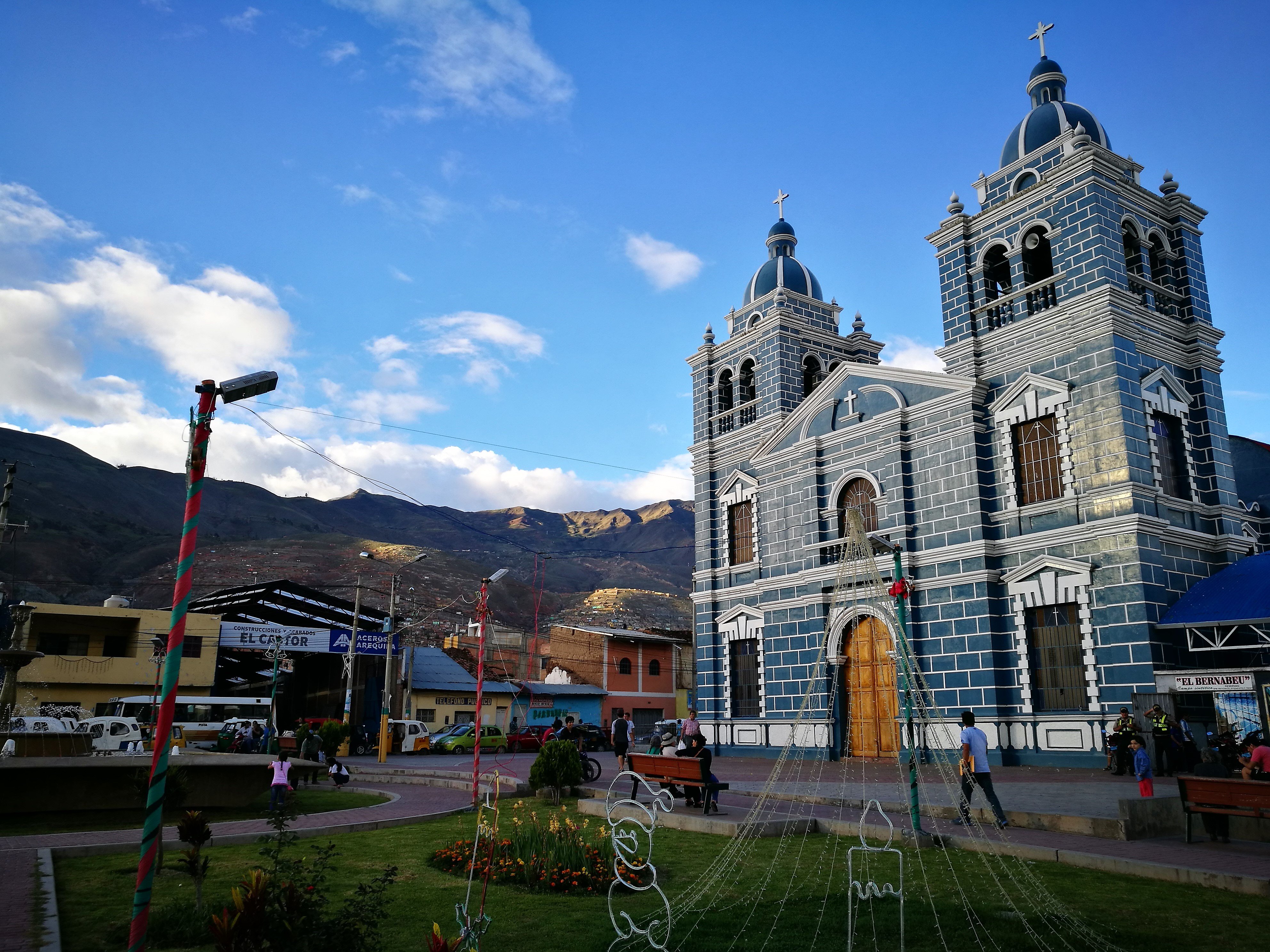
Huánuco sits in a fertile valley on the eastern slopes of the Andes at around 1,800 metres, giving it a mild, pleasant climate that locals proudly call "the best in the world." The city is the capital of the Huánuco region and serves as a market town for the surrounding agricultural areas, which produce coffee, cacao, and tropical fruit. It is not on most tourist itineraries, which means you get an authentic Peruvian highland city without the crowds.

The main draw for visitors is Kotosh, an archaeological site about five kilometres outside the city that contains the Templo de las Manos Cruzadas — a temple with crossed-hands reliefs dating back some 4,000 years, making it one of the oldest known structures in the Americas. The site is modest in scale but historically significant. In town, the Plaza de Armas is attractive and lively, and the Cathedral of the Lord of Burgos on the square has a fine colonial interior. Huánuco is also a useful staging point for trips into the Carpish cloud forest to the east, one of the most biodiverse zones in Peru.

Guide

Eating Out

Huánuco's food scene is centred on traditional Peruvian highland cooking. The local speciality is picante de cuy — guinea pig in a spiced peanut sauce — which appears on menus throughout the city. The market streets around the central market are the best place to eat cheaply: stalls serve heaping plates of caldo de gallina (hen broth with noodles and potatoes), lomo saltado, and ceviche of fresh river fish. Several restaurants on and near the Plaza de Armas serve a more formal menu turistico at lunchtime for a few soles.

Café-style places cluster around the plaza and along Jirón General Prado, serving coffee, fresh juices, and pastries. The coffee here is worth noting — this is a coffee-growing region, and local beans appear in some cafes at a quality significantly above what you'd expect in a provincial Andean city.

Guide

Getting There

By bus is the standard approach. Several companies operate daily services between Lima and Huánuco, including León de Huánuco and Etucsa. The journey takes 8–9 hours on a road that climbs through the Andes and is impressive but can be slow — overnight buses are the most efficient option. From Huancayo, there are services via Cerro de Pasco taking around 6 hours. From Tingo María, it's 3 hours east.

By air, Huánuco has a small airport (Alférez FAP David Figueroa Fernandini Airport) with limited services. LC Perú and occasionally other carriers operate flights from Lima, though schedules change frequently — check current availability close to travel date.

The bus terminal in Huánuco is south of the city centre; most companies have offices clustered in the terminal area. Taxis from the terminal to the plaza take around 10 minutes.

Guide

When to Go

Huánuco's climate is famously mild — at 1,800 metres in a sheltered valley, it avoids both the cold of the high Andes and the heat of the lowlands. Average temperatures hover around 22-25°C year-round, with cool evenings. The city gets its nickname "city of eternal spring" from locals who consider it one of the most pleasant climates in Peru, and for once the local boasting has some basis.

The dry season runs roughly May to October and is the best time to visit: clear skies, passable roads into the mountains, and easy access to Kotosh and the Carpish area. The wet season (November to April) brings daily afternoon rains that make highland roads muddy and the Carpish cloud forest even more atmospheric, though travel is less predictable.

The fiesta of El Señor de Burgos in late January is the city's main celebration, with processions, music, and dancing filling the plaza for several days.