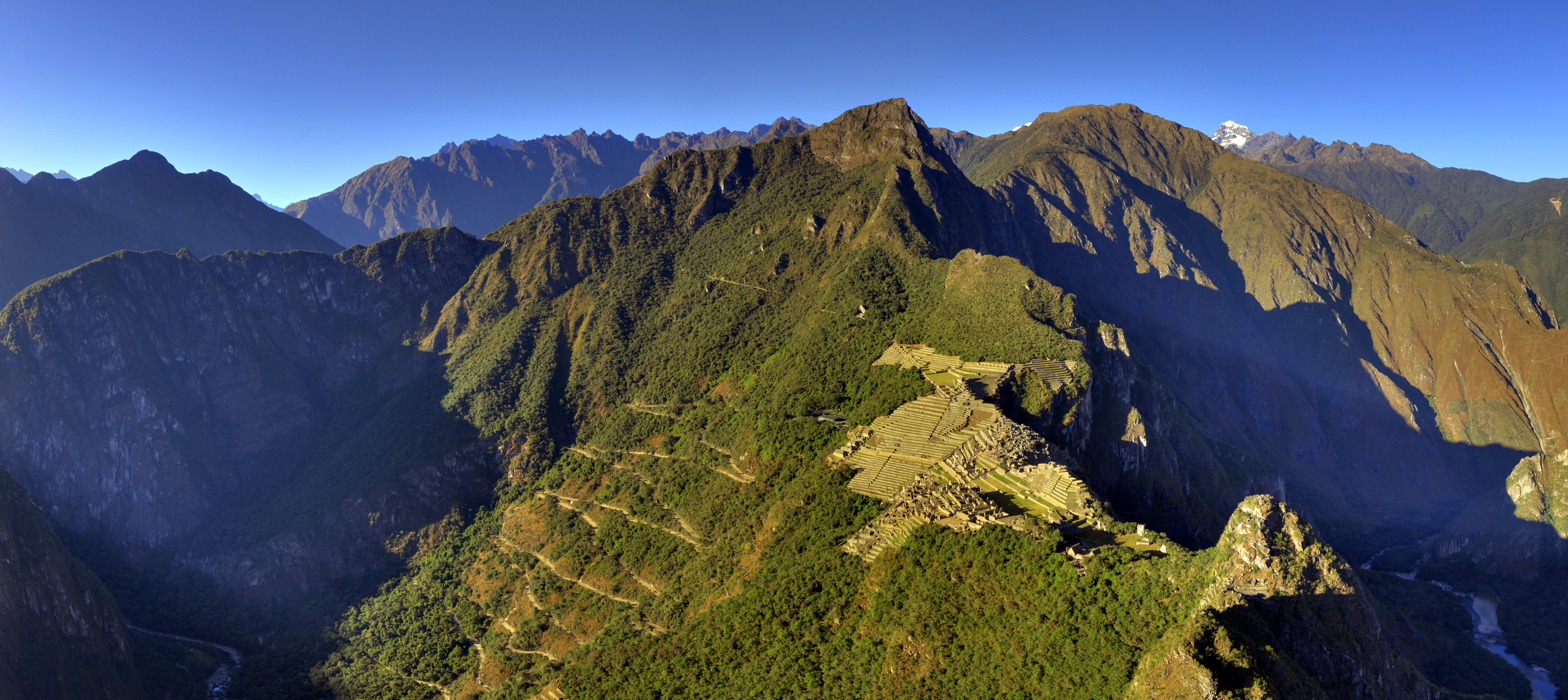
Machu Picchu is the most visited archaeological site in South America and one of the great human achievements anywhere on earth. Built by the Inca emperor Pachacuti around 1450 CE on a narrow saddle between two mountain peaks, at 2,430 metres above sea level, the citadel was abandoned roughly a hundred years later and remained unknown to the outside world until the American explorer Hiram Bingham reached it in 1911, guided by a local farmer. The photographs he sent back changed the world's understanding of pre-Columbian civilisation overnight.
The site is extraordinary for two reasons simultaneously: its location, on a steep ridge above the Urubamba River gorge with sheer drops on three sides and jungle-covered mountains in every direction; and the quality of its stonework, which has survived nearly six centuries of earthquakes, tropical rains, and vegetation without mortar holding a single block. The largest stones weigh 50 tonnes and were transported up a 2,000-metre mountain without wheels.
A typical visit follows a one-way circuit through the site, moving from the agricultural terraces at the entrance through the main urban sector — the Intihuatana solar calendar, the Temple of the Three Windows, the Sacred Plaza — to the industrial and residential quarters in the lower sections. Above the site, Huayna Picchu and Machu Picchu Mountain offer elevated viewpoints that reward those with tickets booked well in advance. The Sun Gate (Inti Punku) on the old Inca Trail route offers a different angle on the whole site.
Entry to Machu Picchu is strictly controlled: daily visitor limits, timed entry slots, and specific circuit options must all be pre-booked through the official system. Bring your passport; they check it. There are no restaurants inside the site — bring water and a snack. The village of Aguas Calientes below is where everyone eats, sleeps, and waits for the shuttle buses that climb the 30-minute switchback road to the entrance.