Lima is a vast, grey, fog-shrouded metropolis of around 10 million people spread along the Pacific coast — almost a third of Peru's population lives here. Founded by Francisco Pizarro in 1535 on the Day of the Epiphany and named La Ciudad de los Reyes ("The City of Kings"), it was the capital of Spanish South America for three centuries, and the riches of the Viceroyalty of Peru flowed through it on their way back to Madrid. Earthquakes and modern sprawl have disguised most of that history, and for years Lima had a reputation as a place to pass through on the way to the Inca sites. That has changed. Over the past two decades the city has been quietly rediscovering itself — through its food, above all — and it now has one of the most interesting restaurant scenes in the world.
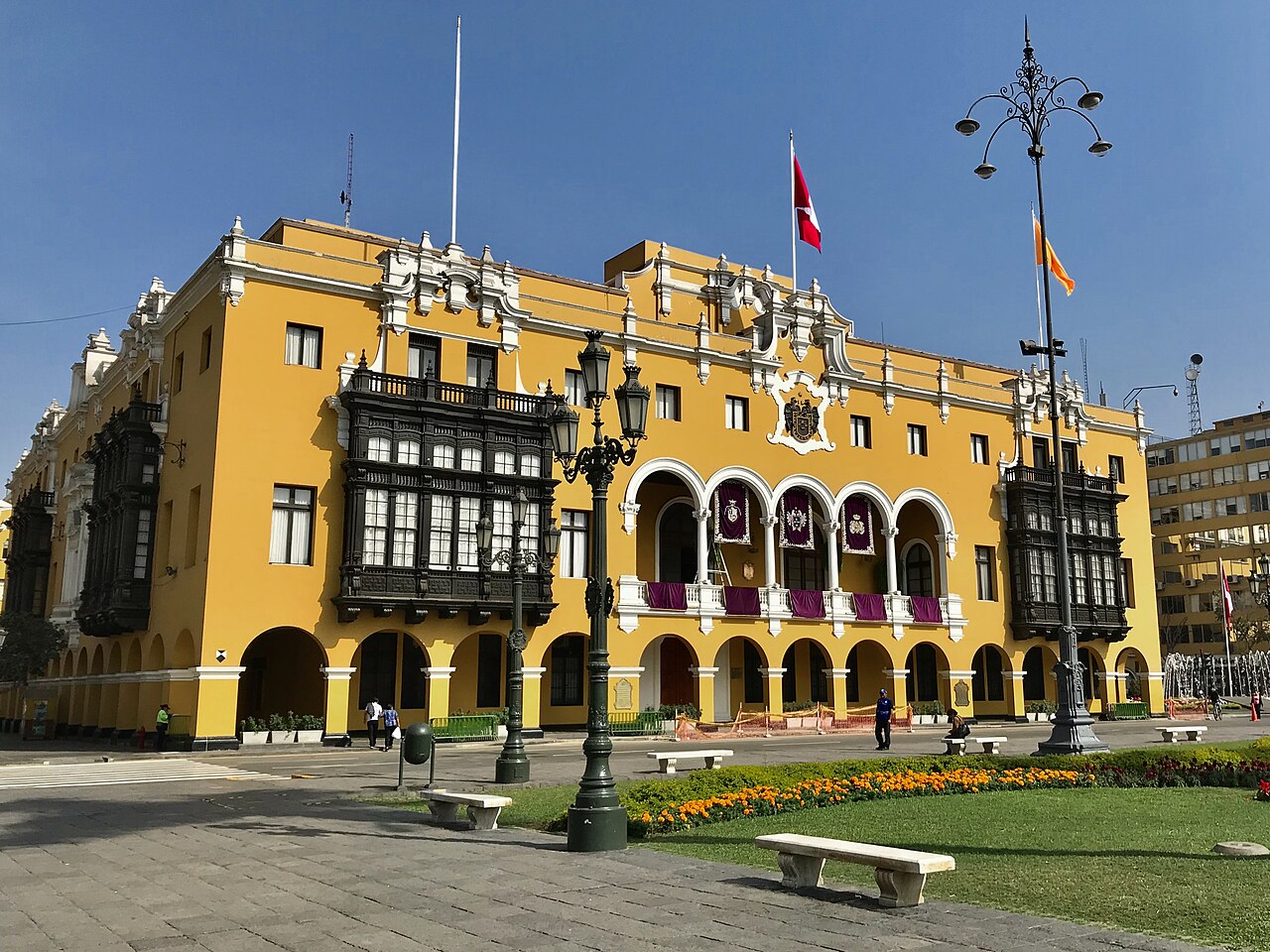
The historic centre, Centro Histórico, is a UNESCO World Heritage Site and still the heart of colonial Lima. The Plaza Mayor is flanked by the yellow-fronted Palacio de Gobierno (changing of the guard at 11:45), the Cathedral (with Pizarro's bones in a side chapel), and the Archbishop's Palace; a few blocks away, the Baroque church and convent of San Francisco hide a set of catacombs containing the bones of some 70,000 colonial-era Limeños, neatly stacked by type. The Museo Larco, in Pueblo Libre, has the single best pre-Columbian collection in Peru — gold, ceramics, textiles — plus the famously frank gallery of Moche erotic pottery. The Museo de la Nación and the new Museo de Arte de Lima (MALI) fill in the rest of the story.
Most travellers stay not in the centre but in Miraflores, the affluent clifftop neighbourhood south of downtown, where the streets are tree-lined, the hotels are modern, and a long park runs along the edge of the Pacific with paragliders spiralling overhead. Neighbouring Barranco is Lima's bohemian quarter — 19th-century mansions, small galleries, the best cocktail bars — and together with Miraflores it is where most visitors spend their evenings. San Isidro is the business district. Pachacámac, a huge pre-Inca pilgrimage centre, is an easy afternoon half an hour south of the city.
But the real reason to come to Lima now is to eat. The novoandino revolution pioneered by Gastón Acurio in the 1990s has turned the city into an unlikely gastronomic capital — two or three Lima restaurants are usually on the World's 50 Best list in any given year, and the ground-floor cooking is just as good. Ceviche at a corner cevichería, a bowl of tiradito or causa limeña in a Barranco bistro, a full tasting menu at Central, Maido or Astrid y Gastón: this is what Lima is now for. Give it at least two full days before heading on.