Falcón
©
Falcón

Falcón

Dry northwestern Venezuelan state of trade-wind beaches, desert scrub, and the colonial city of Coro.

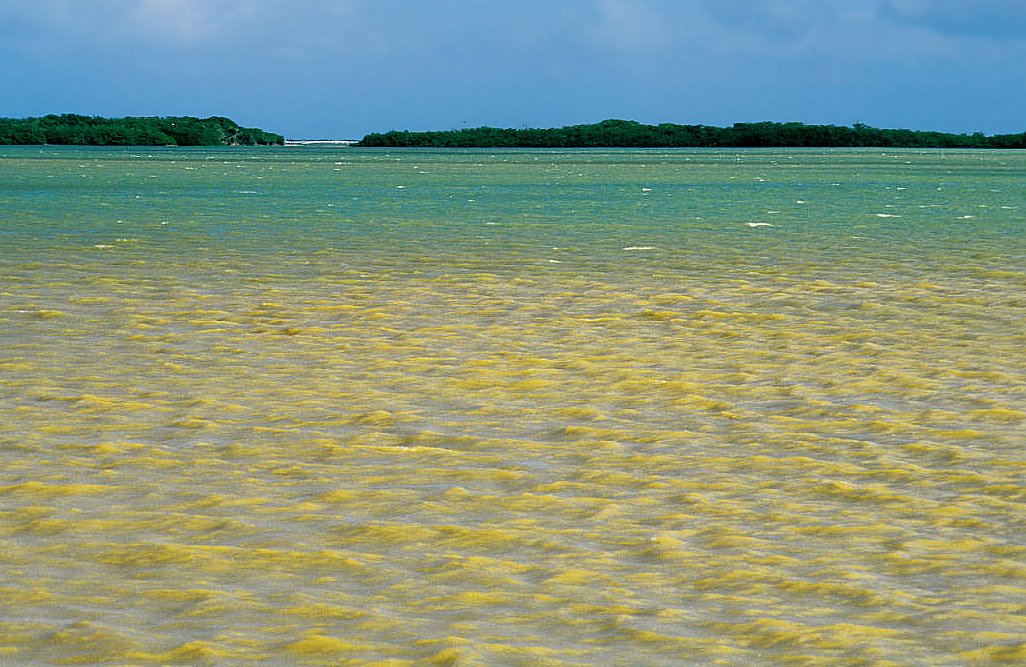
Falcón state occupies the northwestern corner of Venezuela, a dry, wind-swept peninsula that feels completely different from the rest of the country. The coastline here is arguably Venezuela's finest, with long stretches of white sand backed by desert scrub and cactus rather than the tropical greenery found further east. The beaches around Adicora and Chichiriviche draw kitesurfers and windsurfers who come for the reliable trade winds.

The colonial city of Coro, the state capital, is a UNESCO World Heritage site and one of the oldest European-founded cities on the South American mainland. Its pastel-coloured adobe buildings and cobblestone streets date back to the sixteenth century. The Cathedral of Coro is the oldest cathedral in Venezuela, while the Coro Synagogue and the Jewish Cemetery of Coro — the oldest Jewish cemetery in continuous use in the Americas — speak to the remarkable diversity of colonial-era settlement here. Just outside Coro, the Médanos de Coro National Park protects a striking landscape of sand dunes that shift with the wind, the only true desert in Venezuela. Falcón is an easy drive from Caracas, about three hours on the main highway, and makes a rewarding side trip for anyone who wants to see a less-visited corner of the country.

Guide

Day Trips

The Paraguaná Peninsula makes for an excellent full-day excursion from Coro. The drive across the Istmo de Médanos takes you through the dune fields before opening onto a wide, flat, windswept landscape ringed by small fishing towns. The town of Santa Ana de Coro is the peninsula's main settlement, but most visitors head for the coast — either the exposed Atlantic-facing east coast near Adicora for kitesurfing, or the more sheltered beaches on the western side. The peninsula's interior has several small colonial churches, including the 17th-century Iglesia de Santa Ana in the town of Santa Ana, said to be one of the oldest in Venezuela.

Chichiriviche, about 100 km southeast of Coro along the coast in Falcón state, offers a different experience: a base for boat trips out to the Morrocoy National Park islands, with snorkelling in clear water among mangroves, coral formations, and seabird colonies. Morrocoy is one of Venezuela's most celebrated coastal parks, and a day trip there from Coro is feasible though long. The park has suffered from coral bleaching and environmental stress in recent decades, but remains beautiful.

A shorter and less-visited option is Cerro Santa Ana, a prominent 830-metre peak rising improbably from the flat Paraguaná Peninsula. It is visible from much of the peninsula and can be climbed in a morning — the hike through scrub and dry forest is rewarding, and the views from the summit extend across the entire peninsula to the Caribbean.

Guide

Eating Out

Falcón's cuisine is shaped by its long Caribbean coastline and the dry, sparse interior. Seafood dominates the coast: fresh fish, crab, and langostinos are caught daily and served simply — grilled, fried, or cooked in broth. The town of Chichiriviche is particularly well known for its crab dishes. Inland in Coro, restaurants tend toward hearty Venezuelan standards: arepas, pabellón criollo (rice, black beans, shredded beef, and fried plantains), and grilled meats. Tropical fruits are abundant and cheap — mangoes, papayas, and tamarind appear in juices and desserts.

Eating out in Falcón, as across Venezuela, has been complicated by years of economic turbulence. Many restaurants that once served formal menus now operate informally, and quality and availability can vary. Prices quoted in bolivars change quickly; US dollars are widely accepted in tourist areas and often preferred. The best eating is often at small, family-run spots near the markets and along the waterfront in towns like Adicora and Chichiriviche.

Guide

Getting Around

Within Coro, most of the historic centre is compact enough to cover on foot. The main attractions — the colonial streets, the cathedral, the synagogue, and the nearby Jewish cemetery — are all within a walkable area. Taxis are available and inexpensive by international standards, though fares are best negotiated in advance and paid in dollars.

Getting from Coro out to the Médanos de Coro dunes is straightforward: the park entrance is only about 2 km from the city centre, reachable by taxi or on foot along the Coro–La Vela highway. The trip out to the Paraguaná Peninsula — roughly 70 km from Coro across the Istmo de Médanos — is best done by hired car or taxi, as public transport is infrequent and slow. The road across the isthmus passes through the dunes, which is scenic in itself.

Adicora, on the east coast of the peninsula, is about 120 km from Coro. Por puestos (shared taxis or minivans) run between major towns but schedules are informal. For flexibility, especially if you are visiting multiple sites, renting a vehicle or hiring a driver for the day is the most practical option. Fuel can be scarce; fill up whenever you can.

Guide

Getting There

Coro is served by José Leonardo Chirinos Airport (IATA: CZE), about 4 km northeast of the city centre. There are scheduled flights to and from Caracas (Simon Bolívar International Airport) operated by Venezuelan carriers, though schedules and reliability have been erratic in recent years. Check the current status of domestic air services before planning around a flight connection — services have historically been suspended or cut back without much notice.

By road, Coro is around 460 km from Caracas, roughly a four to five hour drive on the main highway (Route 3). Direct buses connect Coro to Caracas and other major Venezuelan cities, departing from the Terminal de Pasajeros de Coro. The road passes through Barquisimeto and is generally in reasonable condition, though road conditions and fuel availability can vary. Travellers arriving from Colombia cross at the border at Paraguaita or elsewhere in Zulia state and can reach Falcón from the west.

Travel within Venezuela currently requires careful planning. Fuel shortages are common and can significantly affect road travel. It is advisable to have a clear plan for fuel stops and to carry cash in US dollars for flexibility. The security situation on intercity roads should be checked against current advisories before travel.

Guide

Things to Do

Falcón state's attractions divide neatly between the colonial city of Coro and the natural landscape around it. The UNESCO-listed historic centre of Coro rewards a half-day walk through its pastel streets. The Médanos de Coro dune field just outside the city is one of Venezuela's most striking natural sights. The peninsula's coast — particularly around Adicora — draws kitesurfers and windsurfers year-round for its reliable trade winds, while Chichiriviche on the southern coast offers snorkelling among mangroves and offshore islands.

Guide

When to Go

Falcón has one of the driest and sunniest climates in Venezuela. The Paraguaná Peninsula in particular receives very little rainfall — it is semi-arid scrubland for most of the year. The dry season runs roughly from November to May, when the trade winds blow consistently off the Caribbean. This is peak season for kitesurfing and windsurfing at Adicora, and the best time to visit if you want reliably clear skies. Daytime temperatures are warm year-round, typically between 28°C and 35°C on the coast.

The rainy season from June to October brings occasional showers but rarely the heavy downpours common in other parts of Venezuela. Even in the wet season, Falcón receives far less rain than the Andes or the eastern coast. The Médanos de Coro dunes are worth visiting any time of year, though the late afternoon light in the dry season is especially good for photography. If you are visiting primarily for the kitesurfing around Adicora, December through March offers the most consistent and strongest winds.

Given Venezuela's current conditions, it is worth monitoring the situation before travel regardless of season. Infrastructure disruptions, fuel shortages, and safety considerations apply year-round and are not tied to climate.