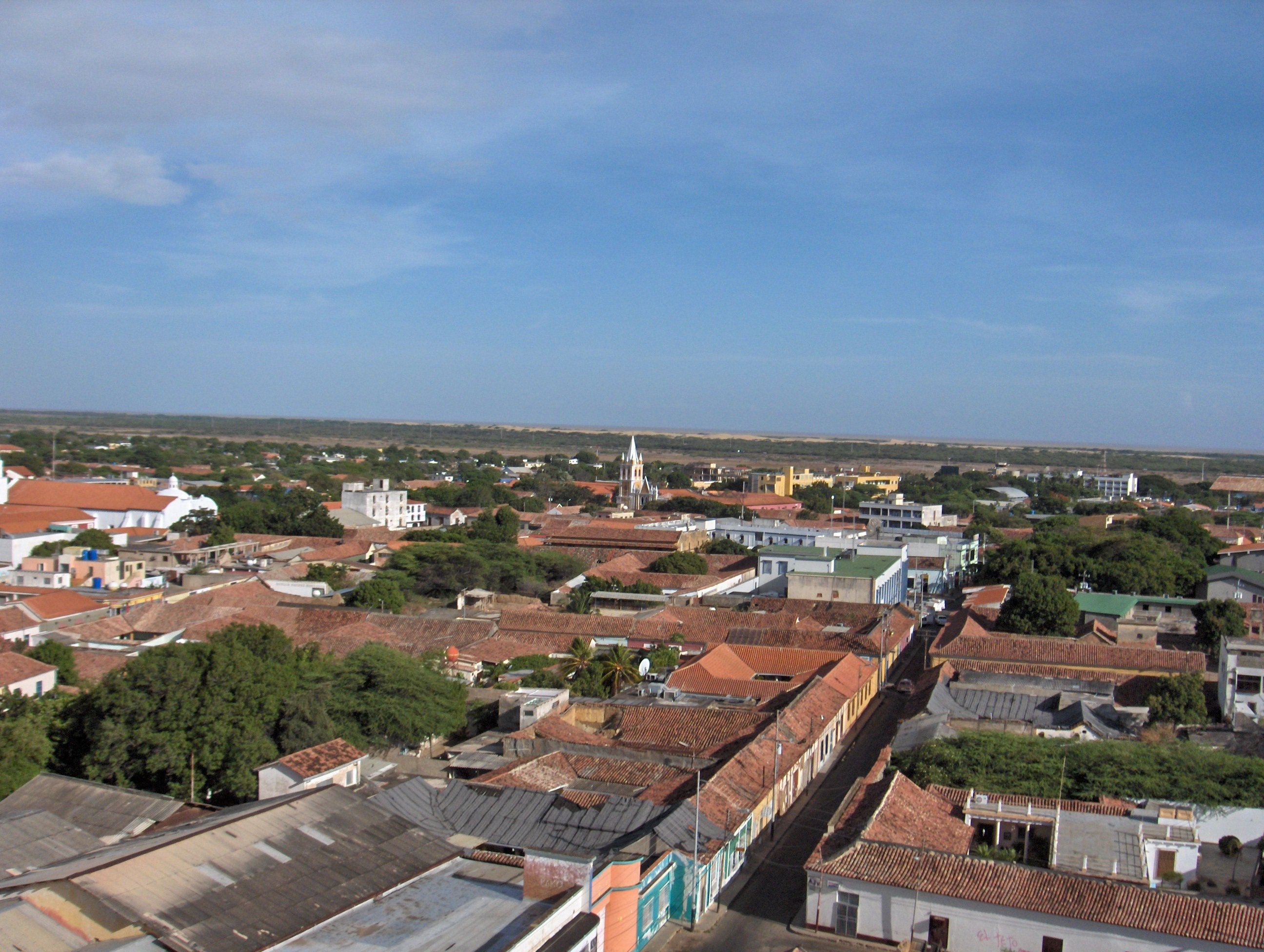
Santa Ana de Coro is the second-oldest city in Venezuela — founded in 1527, three years after Cumaná — and the country's only continental UNESCO World Heritage Site. The old town is a quiet grid of low whitewashed houses, ochre-painted churches, mud-walled colonial mansions, and shaded patios; behind it the strange, surf-shaped landscape of the Médanos de Coro sand dunes rolls toward the Caribbean. For a few decades in the 16th century, Coro was the capital of the German Welser colony — bankers who took Venezuela as security on a loan to Charles V and ran it from here.
The historic centre is small enough to walk in a morning. Around the Plaza Bolívar stand the cathedral — the oldest surviving church in Venezuela — and the Casa de las Ventanas de Hierro, a colonial mansion built with iron-grilled windows reputedly forged in Seville. The Calle Zamora and the surrounding streets are lined with intact 18th- and 19th-century houses, many in the soft chalky red that gives Coro its colour. The Jewish cemetery — the oldest in continuous use in the Americas — and the Coro Synagogue record a remarkable 19th-century Sephardic community that came from Curaçao to settle here.
Coro sits at the foot of the Paraguaná Peninsula, a flat arid landscape pinned to the mainland by a narrow isthmus. The Médanos de Coro — a national park of shifting golden dunes up to 40 metres high — straddles that isthmus a few kilometres north of town. The combination is what makes Coro distinctive: walk out of a colonial plaza in the morning, climb a desert dune by lunchtime. Most travellers visit Coro as a stop on the way to or from Paraguaná's beaches and the wind-surfing town of Adícora.
The city has shared in Venezuela's recent difficulties. Many of the colonial mansions remain unrestored, several historic buildings are in poor condition, and the heat is constant — afternoon temperatures often pass 35 °C. But the old town still has more intact 16th- to 18th-century fabric than anywhere else in Venezuela, and the surrounding landscape — desert, beach, salt flats with flamingos — is unlike anywhere else in the country.