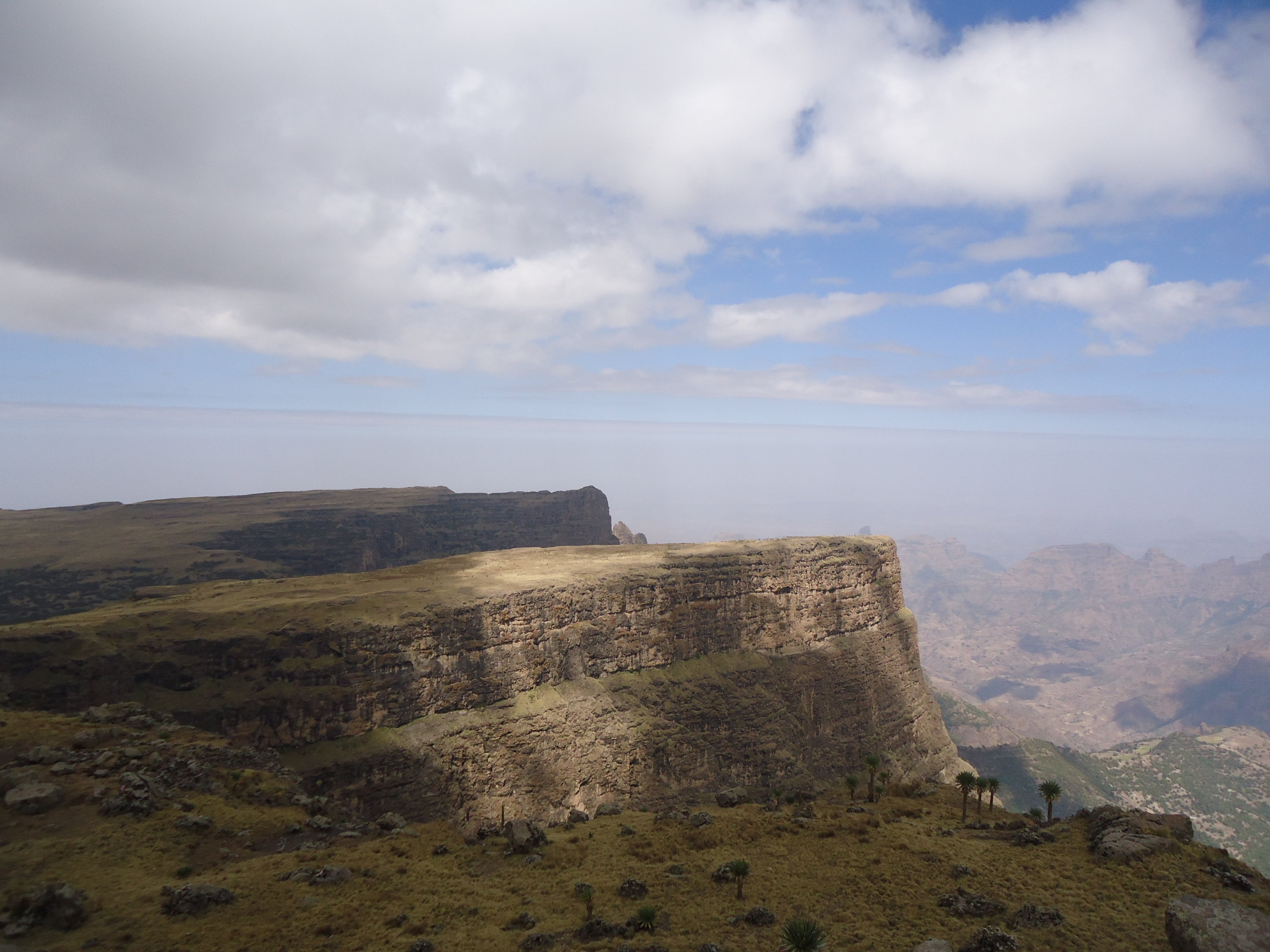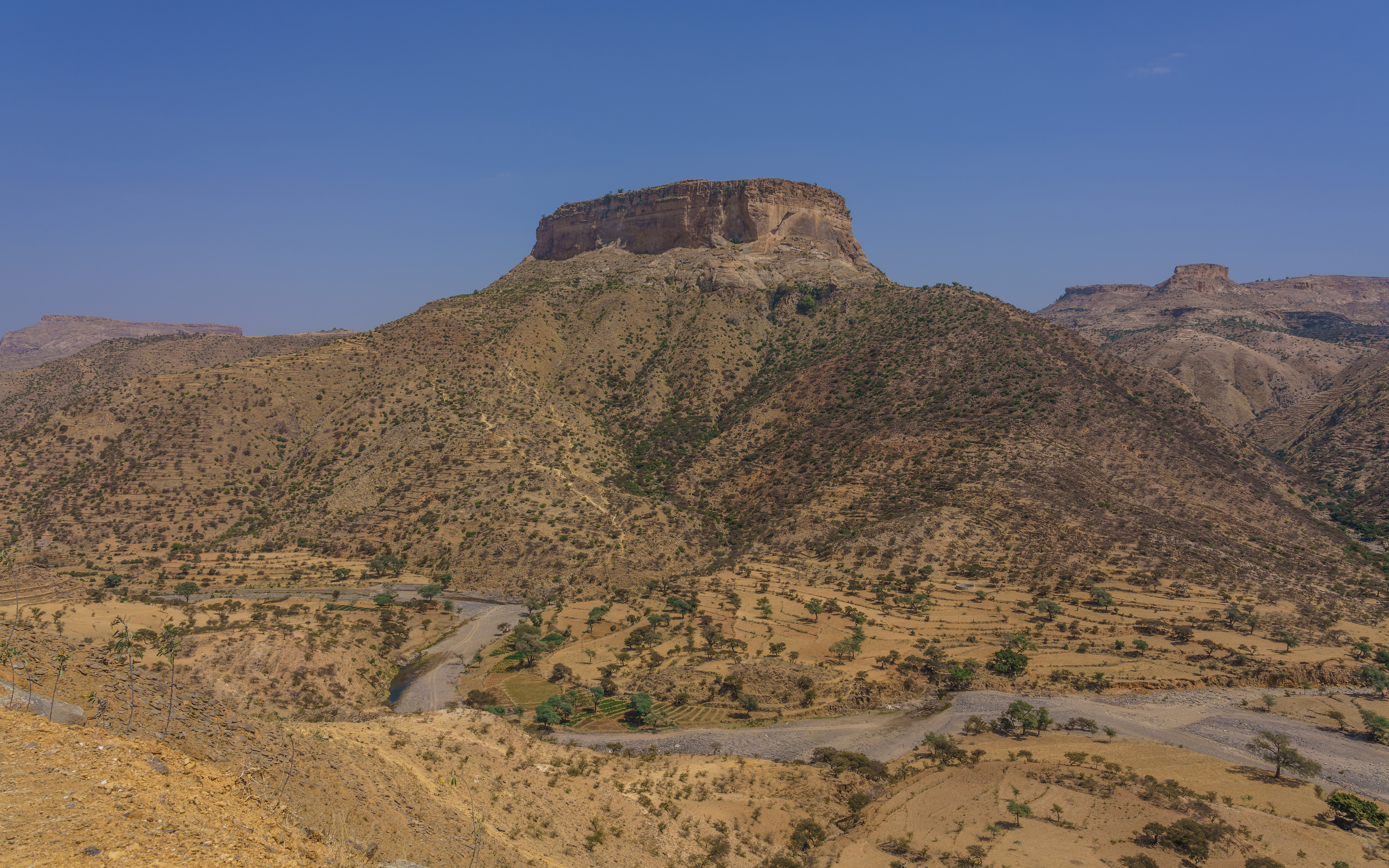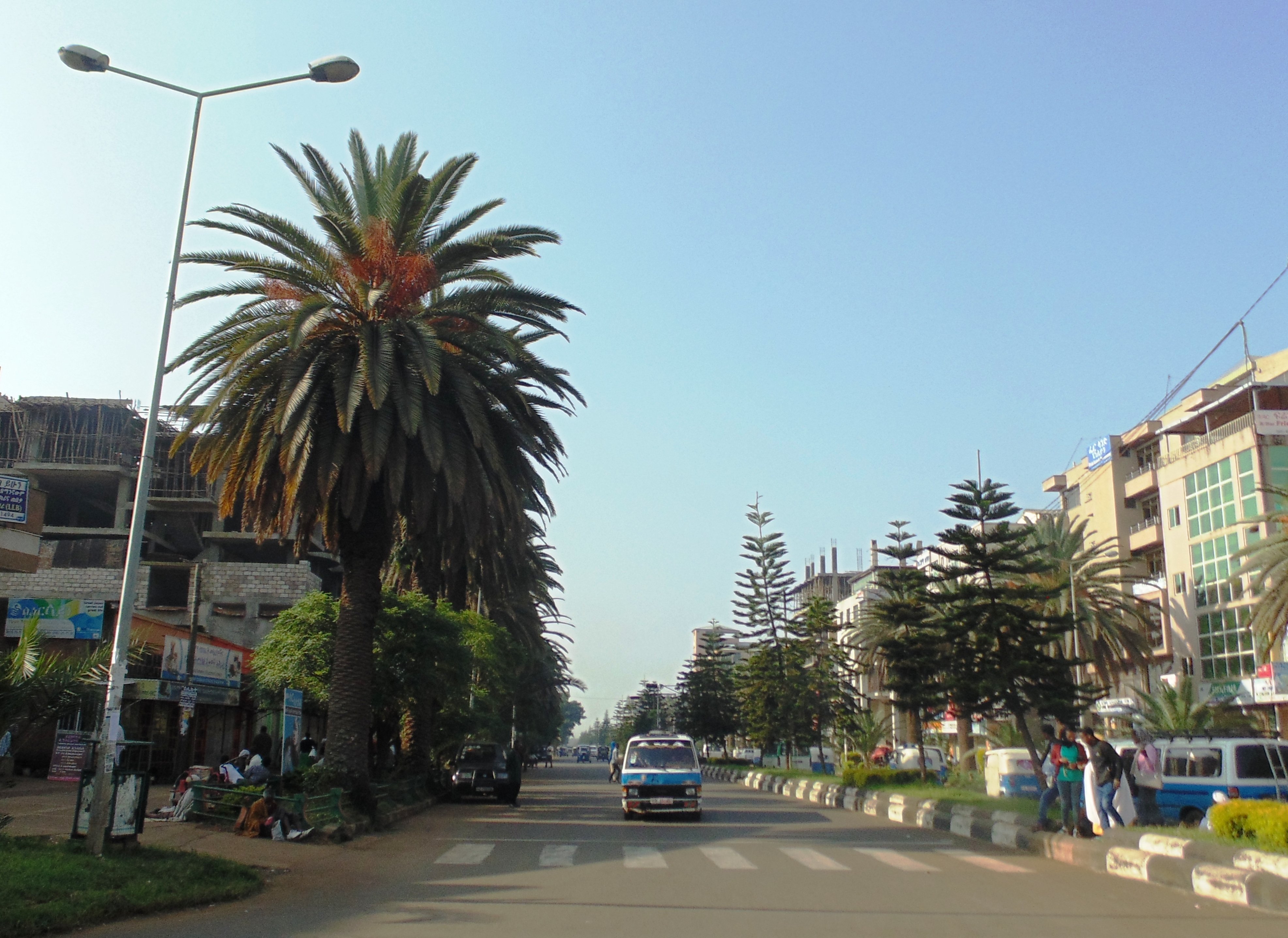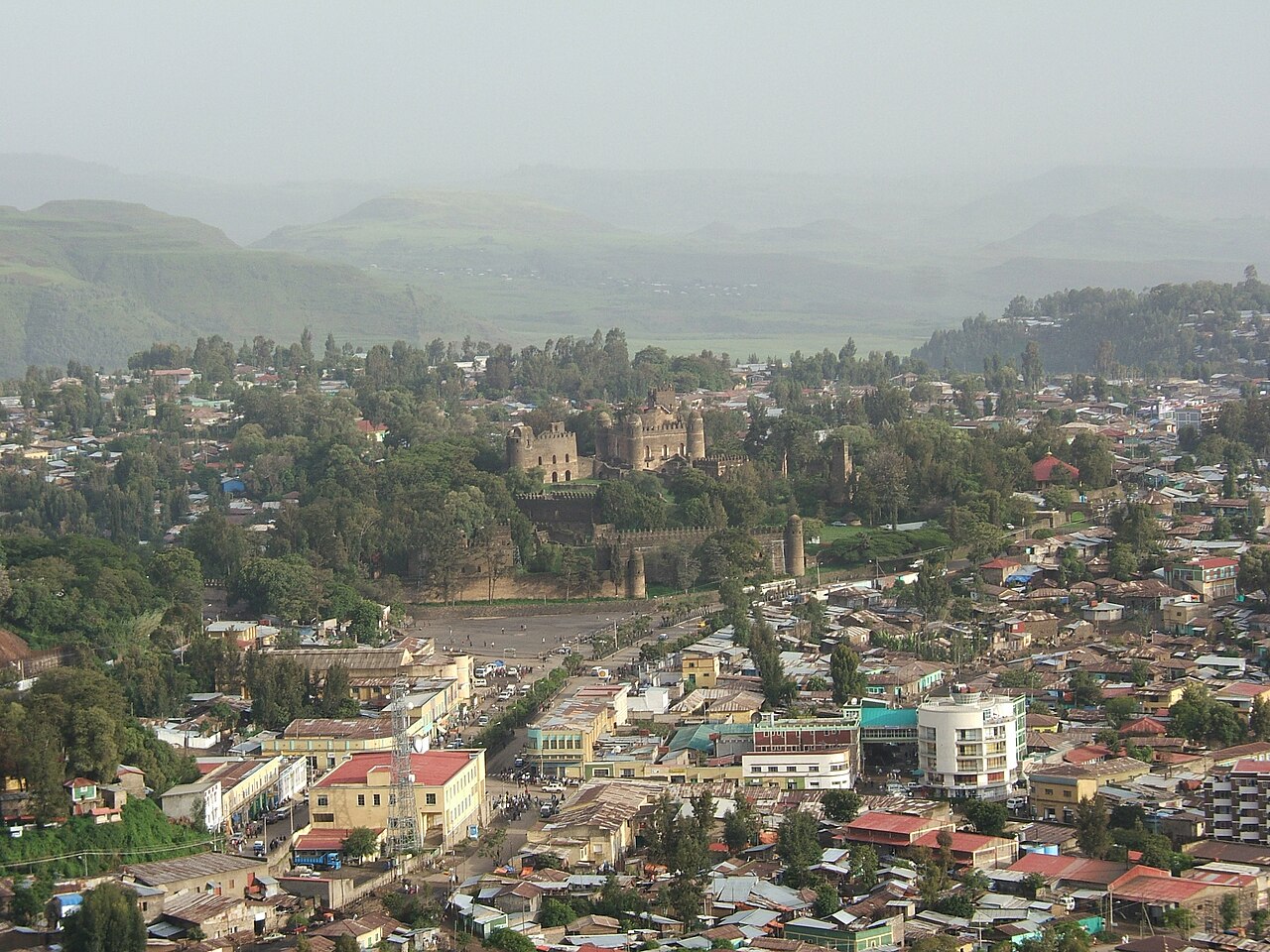
Ethiopia is unlike anywhere else on earth. It is the only African country never colonized, home to one of the oldest Christian civilizations in the world, and the place where coffee was born. The landscapes range from the highest peaks in the Simien Mountains to the lowest point on the African continent in the Danakil Depression. The food is entirely its own. The calendar has thirteen months. The clock runs six hours off. Nothing here works the way you expect, and that is precisely the point.
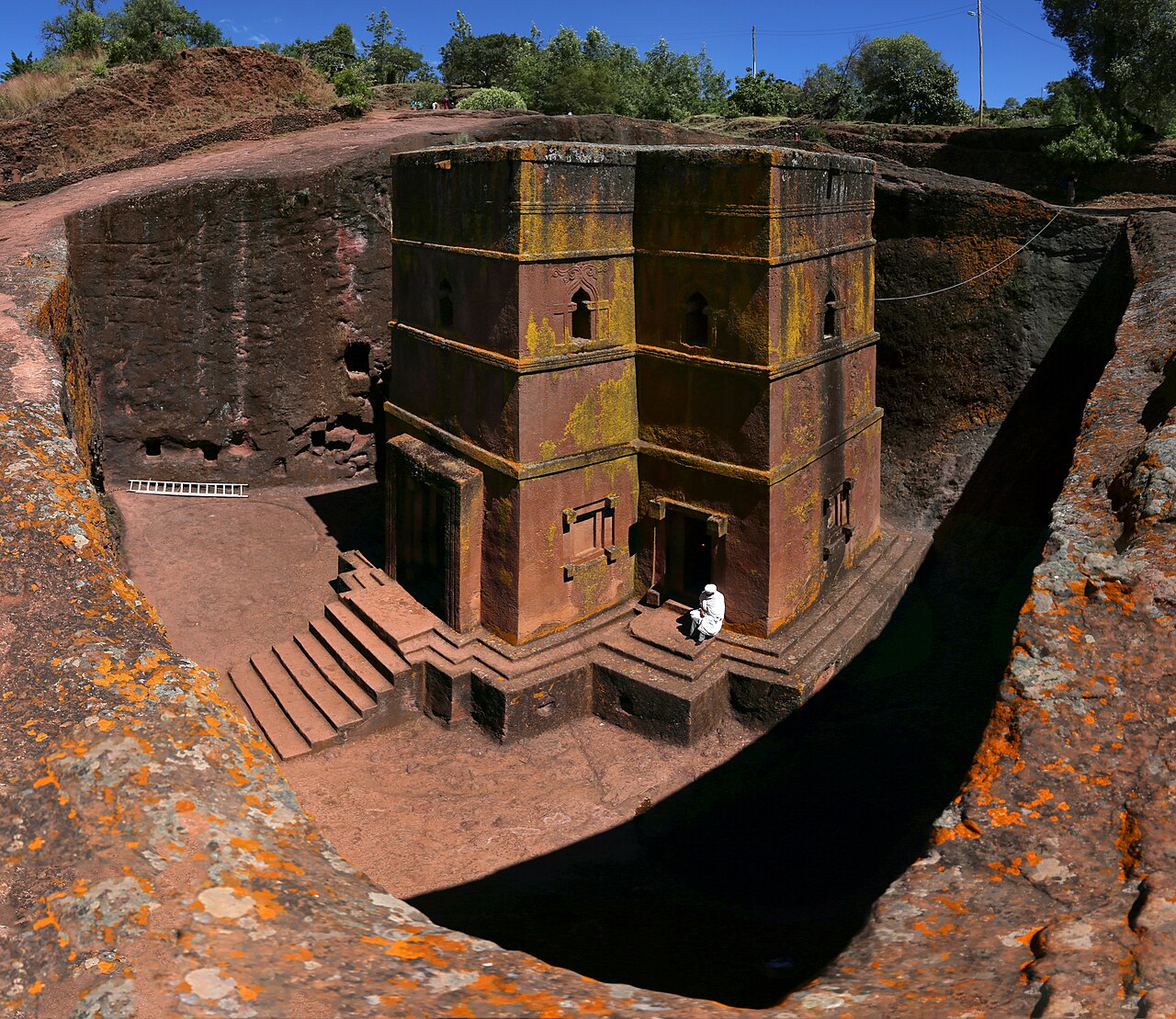
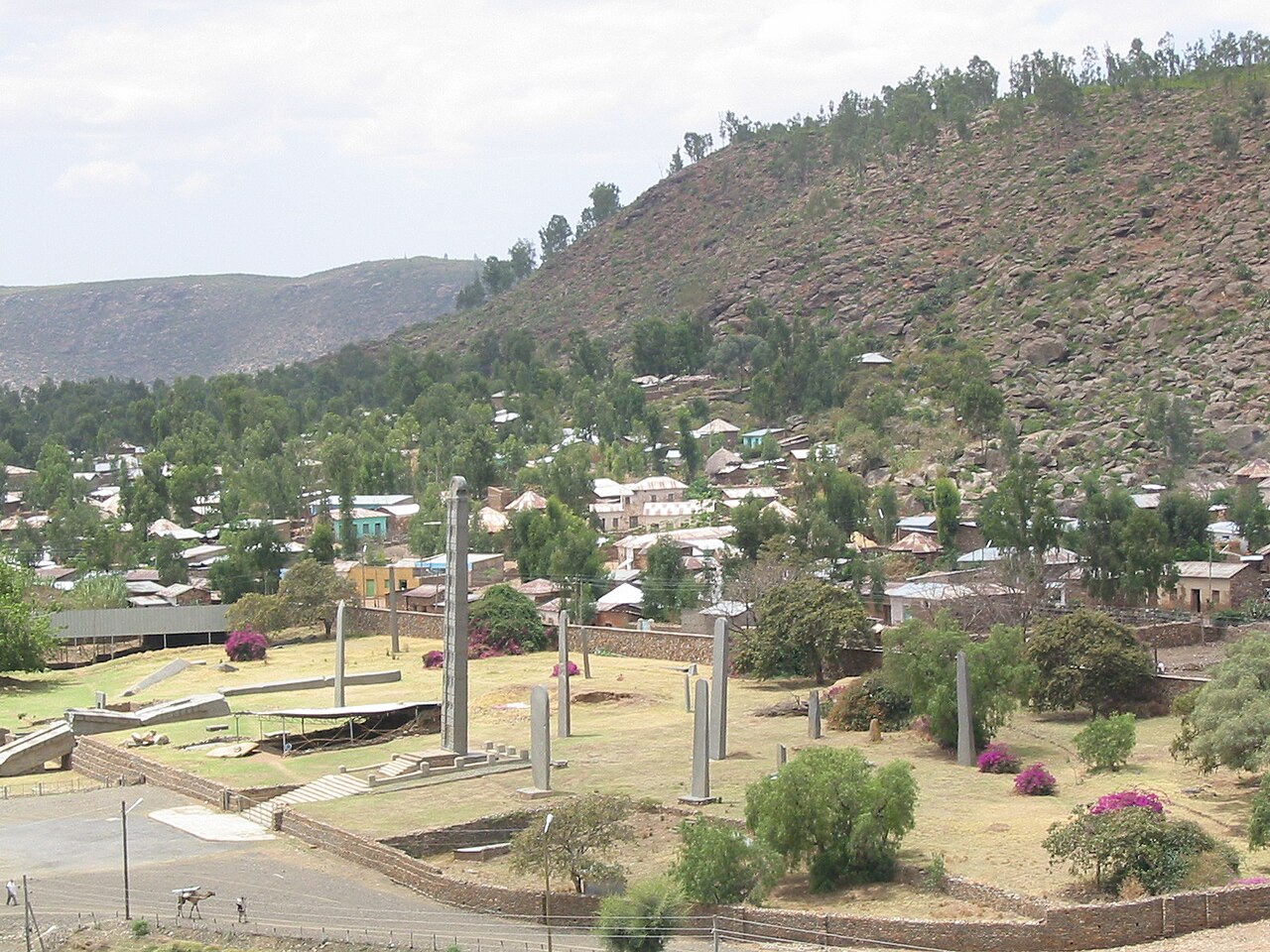
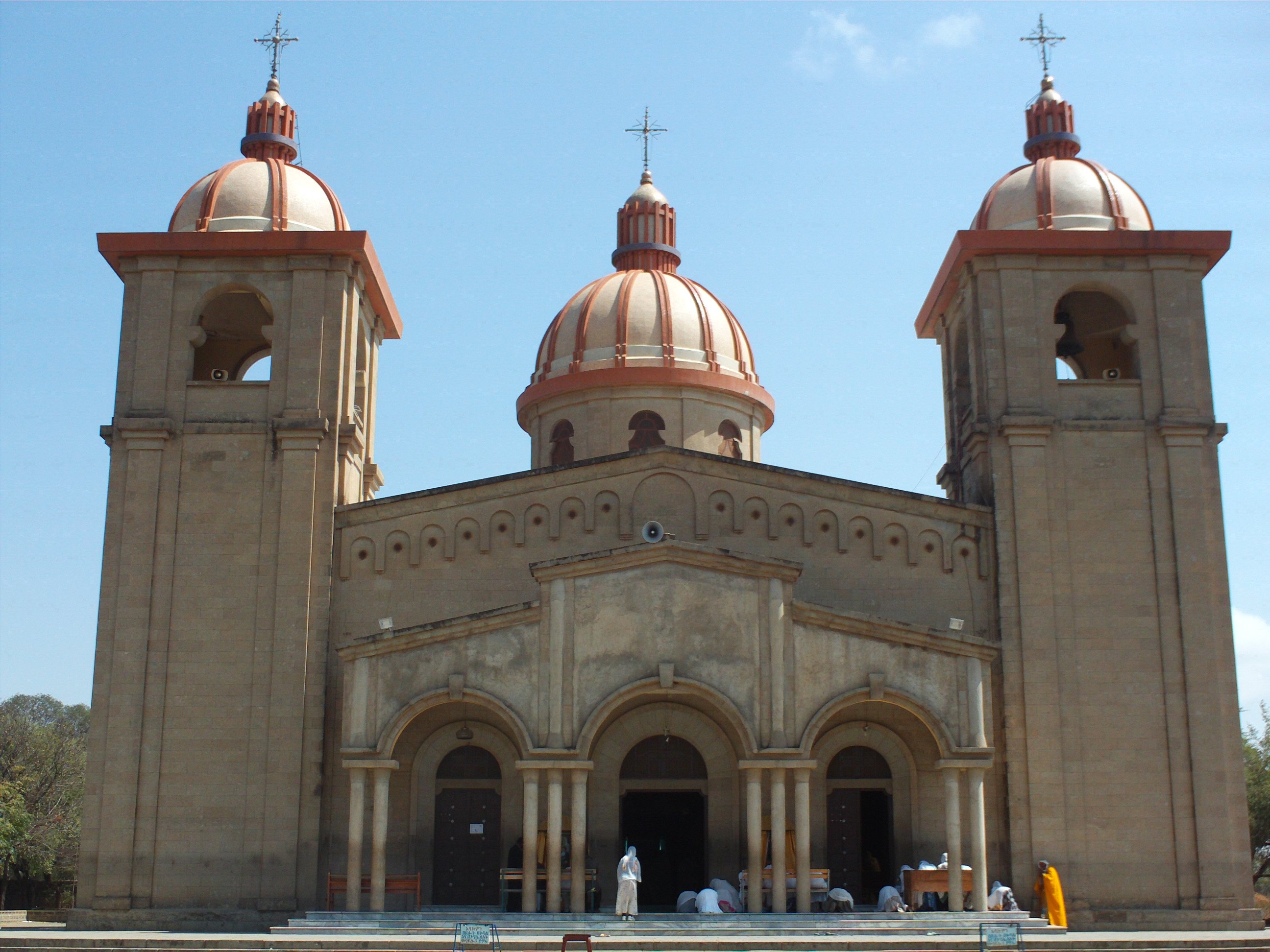
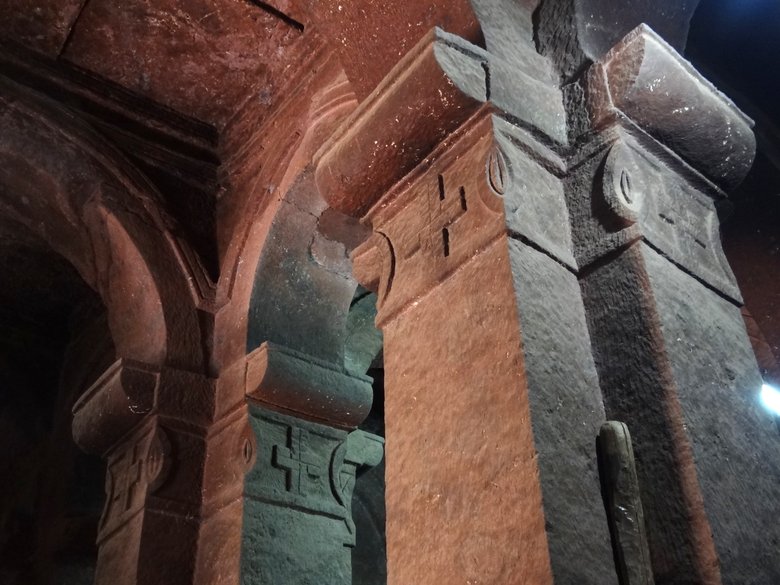
The Historic Route through the northern highlands is what draws most travelers. Lalibela has eleven medieval churches carved from solid rock, still in active use after eight centuries. Axum was the seat of a great trading empire and claims to hold the Ark of the Covenant. Gondar has a compound of seventeenth-century castles that look as though they belong in Europe. Bahar Dar sits on Lake Tana, where island monasteries hide illuminated manuscripts, and the Blue Nile Falls crash nearby.
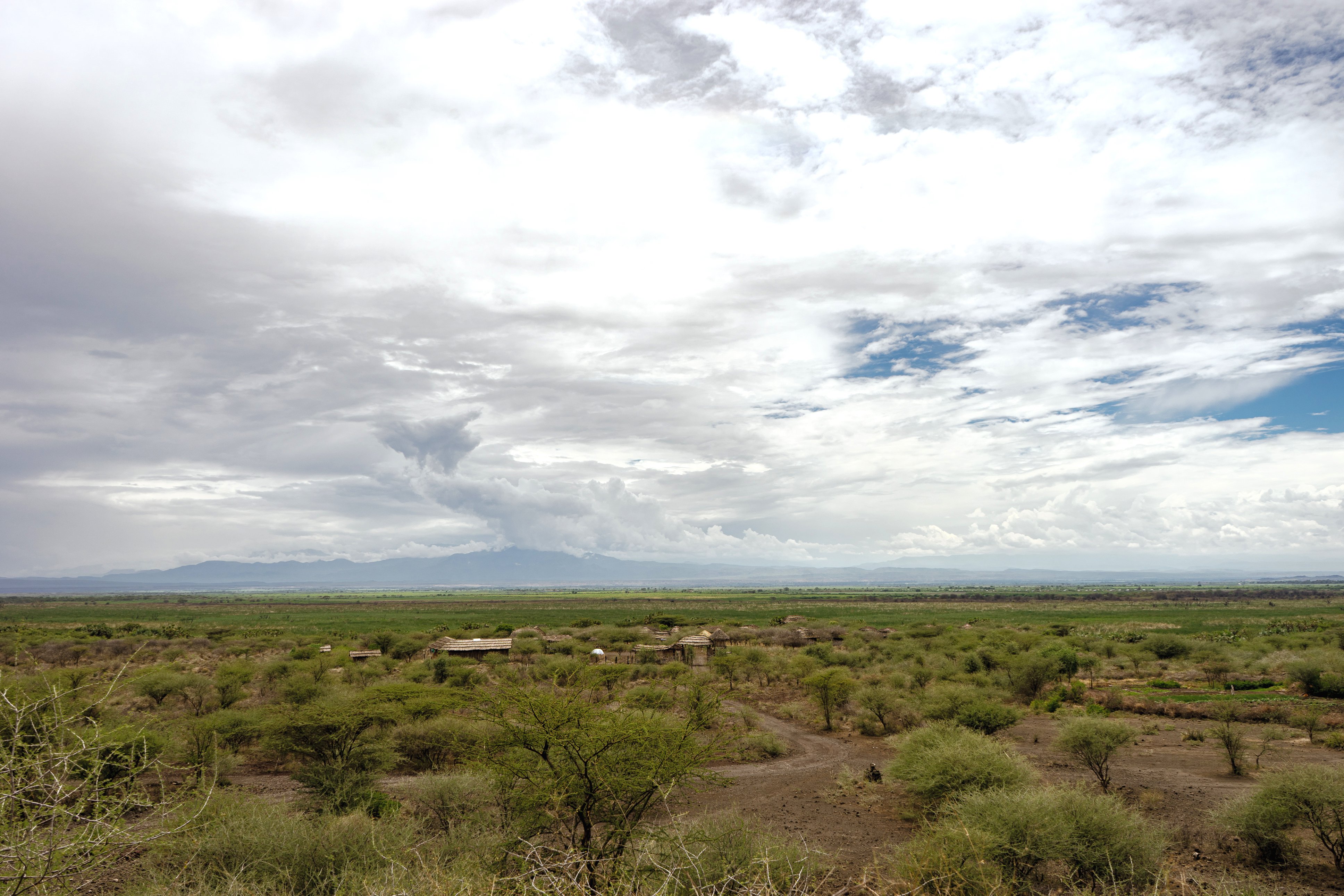
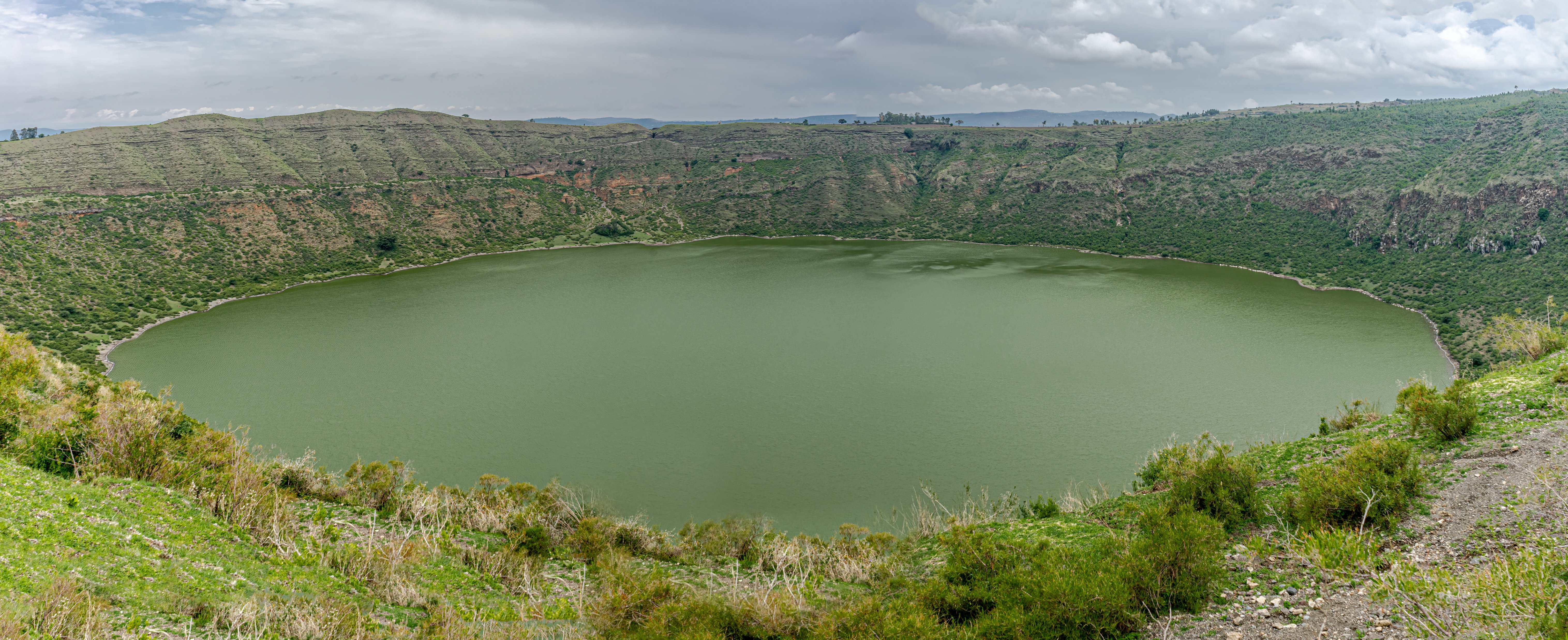
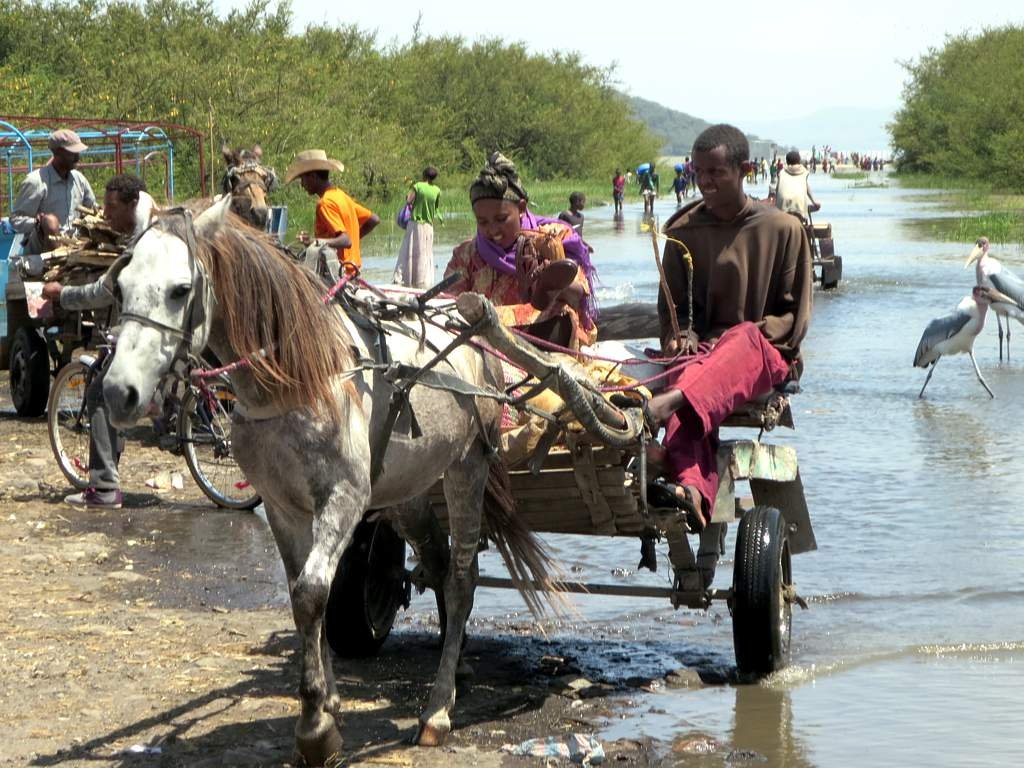
The south is a different world entirely. The lower Omo Valley is home to dozens of indigenous communities — the Mursi, Hamer, Karo, and others — who maintain traditions that have changed little over centuries. The Rift Valley lakes stretch south from Addis Ababa through Hawassa, drawing birdwatchers and anyone looking for a break from the highland chill.
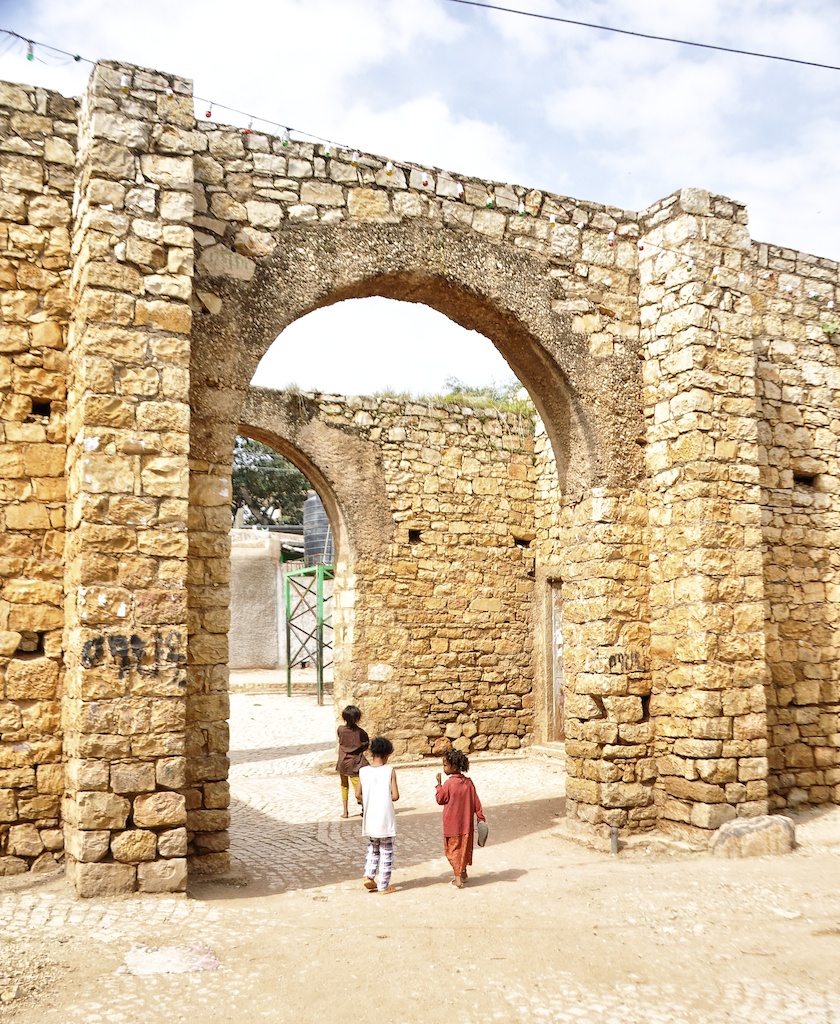
The east has its own rewards. Harar is a walled city with 82 mosques and narrow alleys that feel more like Yemen than Africa. Every evening, men feed raw meat to wild hyenas at the city gates — one of the strangest sights on the continent.
And then there is the Danakil Depression in the Afar region near Mekele, where sulfur springs bubble in neon yellow, salt flats stretch to the horizon, and Erta Ale volcano glows with a permanent lava lake. It is one of the hottest and most inhospitable places on earth, and travelers go anyway.
Ethiopia is not an easy country. Roads outside major cities are rough. Infrastructure is developing but still basic in many areas. Poverty is visible. But Ethiopians are famously welcoming, the coffee is the best you will ever drink, and the sense of deep, ancient civilization is something you will not find anywhere else in Africa.
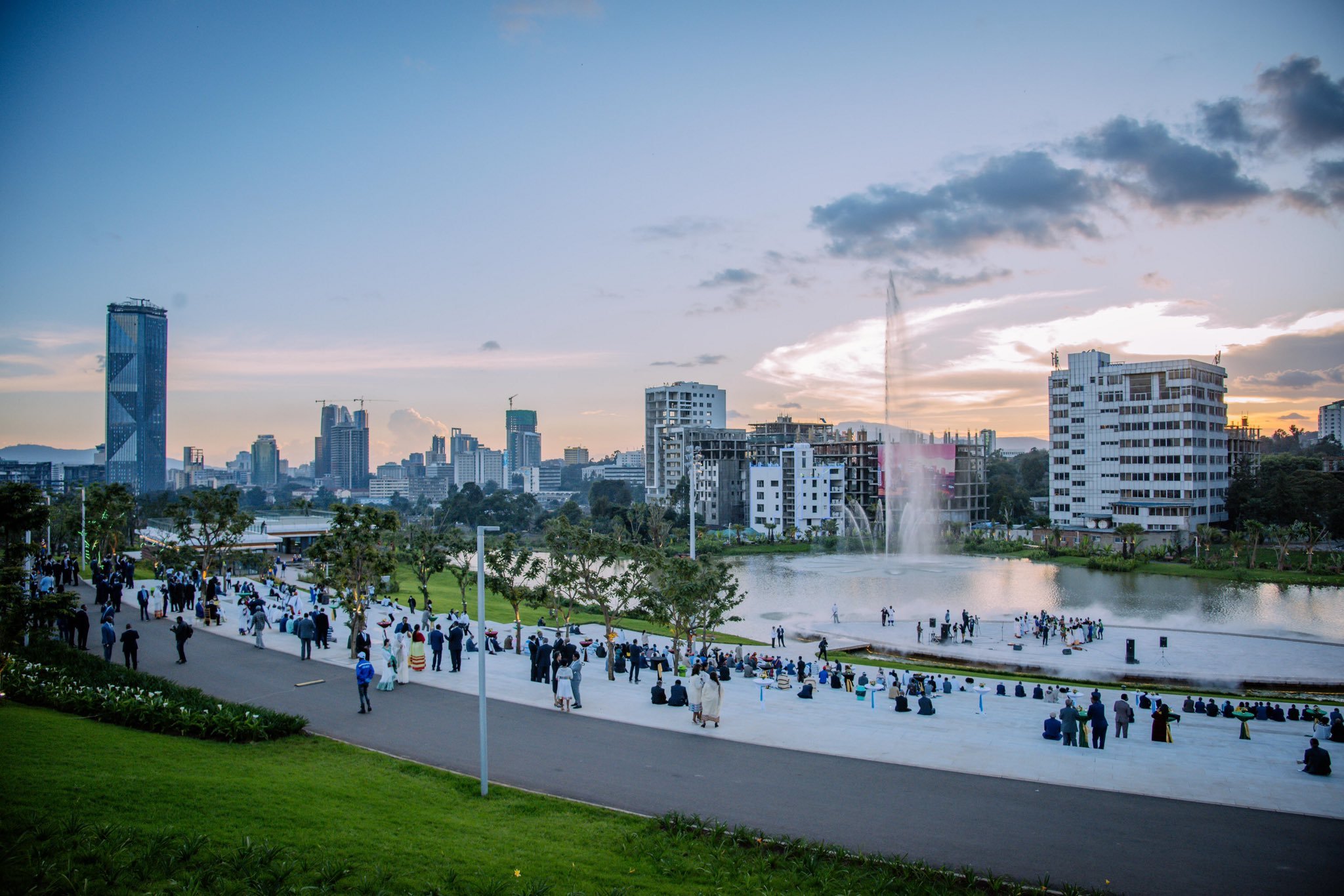
Addis Ababa is the usual starting point — a sprawling highland capital at 2,400 meters with good restaurants, the National Museum (home of Lucy, the 3.2-million-year-old hominid), and connections to everywhere else. From there, most travelers head north to the historic circuit or south toward the Omo Valley and the Rift Valley lakes.