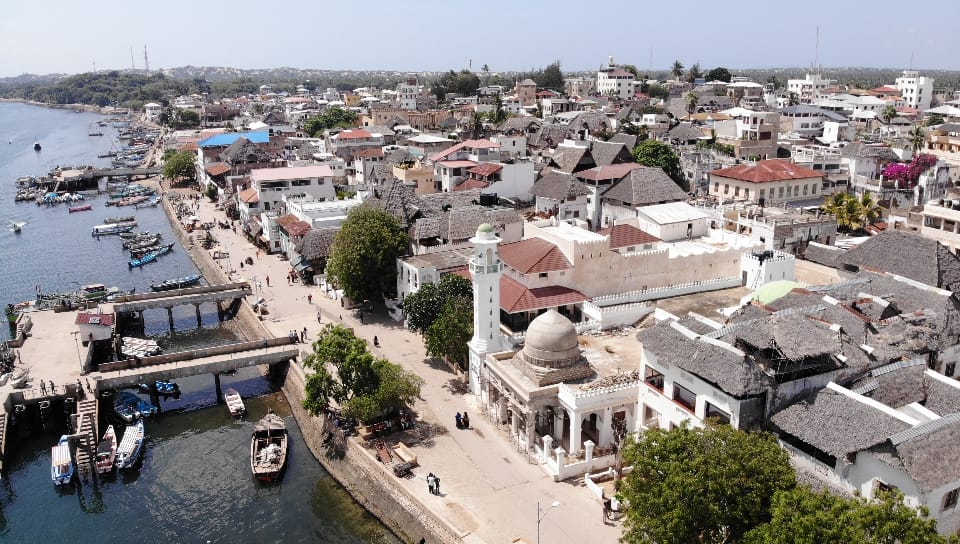
Lamu is the oldest living town in Kenya, a Swahili settlement on a small island off the northern coast that has barely changed in centuries. The narrow streets are too tight for cars — donkeys and foot traffic are the only transport — and the architecture is a mix of coral stone, carved wooden doors, and whitewashed walls. More than 95 percent of the population is Muslim, and you are as likely to hear Arabic as Kiswahili.
Despite having some of the best beaches in Kenya, Lamu has not been over-developed the way Zanzibar has. It still feels like a small town rather than a tourist destination. Shela Beach, a 45-minute walk or 15-minute dhow ride from Lamu town, is a long, clean sweep of sand that is often nearly empty. Dhow trips to the beaches on Manda Island and the uninhabited islands beyond are easy to arrange.
The town itself is the sight. The Lamu Museum on the waterfront covers the island's Swahili history and maritime culture, and the Lamu Fort anchors the heart of the old town. A dhow ride to Matondoni village lets you watch traditional boat-building. The Takwa Ruins on Manda Island, a 15th-century mosque and settlement, are worth the trip. In town, just walking the labyrinthine streets — past mosques, through covered passages, past cats sleeping on doorsteps — is the main activity.
A word on dress: Lamu is conservative. When walking in town, keep shoulders covered and wear skirts or trousers to the knee. On the beach it matters less, but in town, showing consideration goes a long way. Always ask before photographing people.