Springbok
©
Springbok

Springbok

Namaqualand copper town and wildflower base in a dry valley of granite hills.

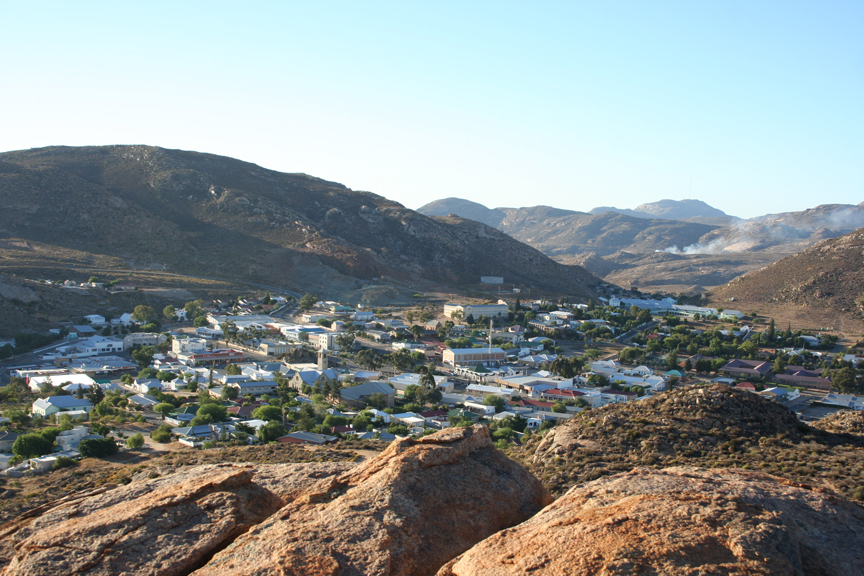
Springbok is the practical capital of Namaqualand, but its appeal is not just fuel, groceries, and the N7 north to Namibia. The town sits in a dry bowl of granite hills, and in good flower years the empty-looking veld around it turns suddenly bright after winter rain.

This is copper country. Springbok grew from nineteenth-century mining, and the old Blue Mine still marks the start of commercial copper mining in South Africa. In the centre, Klipkoppie gives you the town's best quick view and a visible link to the South African War.

The real reason to stay a day is Goegap Nature Reserve, a short drive out of town. It has the spring flower display, but also hiking, mountain-bike and 4x4 routes, succulents, granite outcrops, and desert wildlife when the flowers are gone.

Springbok is at its best from late winter into spring, roughly August and September if the rains have been kind. Outside that window it is quieter and harsher, but still a worthwhile spare-day stop for travellers who like mining history and dry-country landscapes.

Guide

Getting There

Springbok sits on the N7 between Cape Town and the Namibian border, with the N14 turning inland toward Upington and Gauteng. This makes it one of the natural stopping points on long north-south drives through the Northern Cape.

Long-distance buses may stop in town, but a car is far more useful. Goegap Nature Reserve, the surrounding flower roads, and the old copper towns of the district are all much easier with your own wheels.

Guide

Things to Do

Springbok's strongest sights tell two stories: Namaqualand's strange, rain-triggered ecology and the copper mining that put the town on the map. Goegap Nature Reserve is the main reason to linger, especially in flower season, but the old mine, Klipkoppie, and the town museum make the centre worth more than a quick supply stop.

Distances are short, but the sun is not gentle. Start early if you plan to walk Klipkoppie or spend time in Goegap, and carry water even for short outings.

Guide

When to Go

Late winter and early spring are the famous months. After good winter rain, Namaqualand's dry ground can flower in sheets of orange, yellow, purple, and white, usually peaking somewhere around August or September.

The display is never guaranteed. In dry years, come for the granite hills, succulents, mining history, and wide Northern Cape light rather than expecting carpets of flowers. Summer can be very hot, so plan walks for early morning.