Wuwei was one of the four great garrison towns the Han Emperor Wu established along the Hexi Corridor in 121 BC to control the newly conquered western territory. It remained a significant city through the Tang Dynasty and into the Western Xia period, when it was held by the Tangut kingdom that controlled much of the northwest until the Mongol conquest. The layered history of these different ruling powers has left a disproportionate quantity of museums and cultural sites for a city of its size.
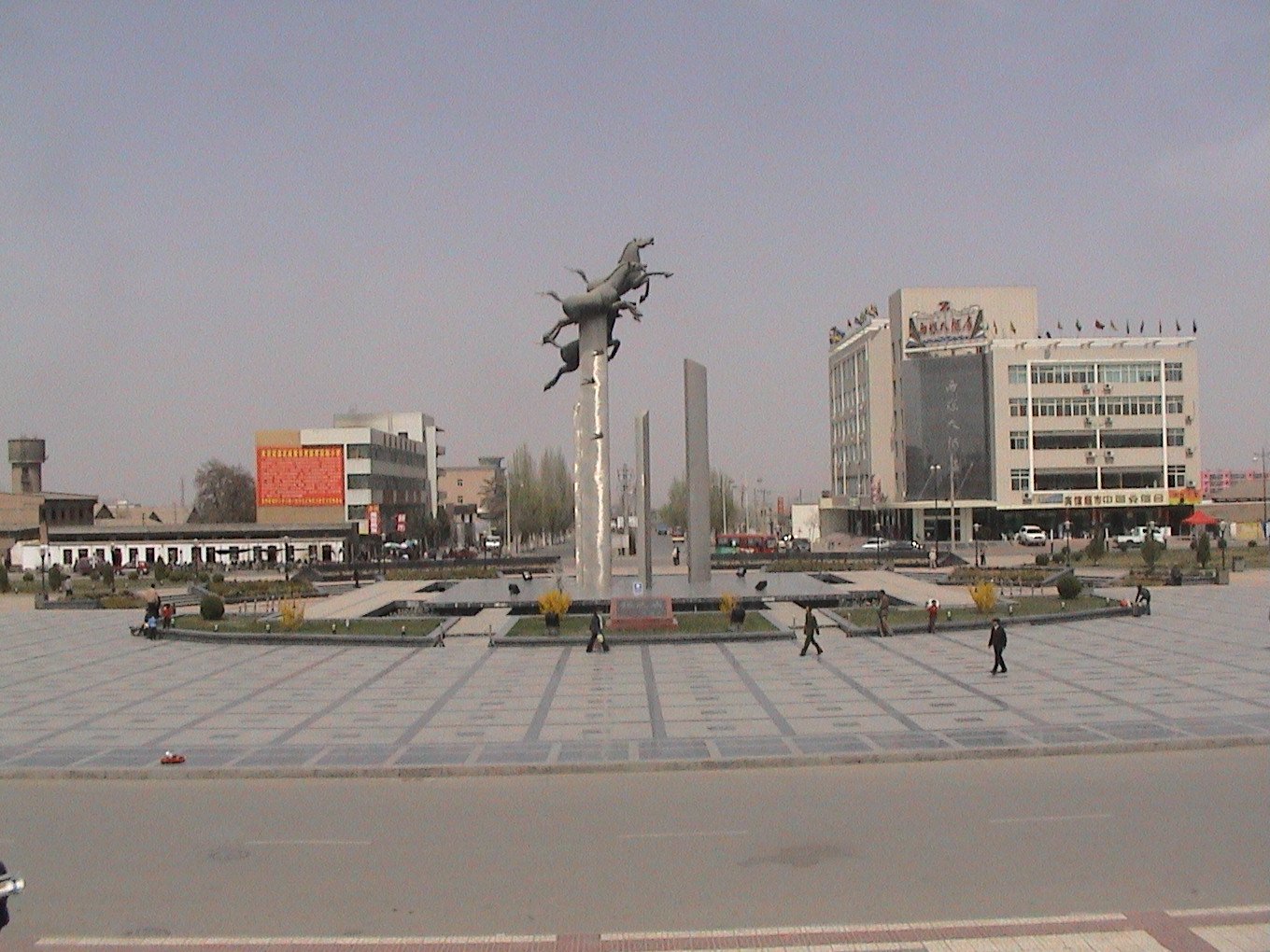
The Leitai Han Culture Museum is the most compelling, housed in a complex that includes a Han Dynasty tomb discovered in 1969. The tomb yielded the Flying Horse of Gansu — a bronze horse cast in full gallop, one hoof resting on a swallow — which has become the emblem of Chinese tourism. The original is in Lanzhou, but the museum's replica and the context it provides are worth the entry fee. The Wuwei Confucius Temple, rebuilt in the fifteenth century, is claimed as the largest Confucius temple in northwest China, and its scale does not disappoint.
The Wuwei Xixia Museum is the only museum in China outside Yinchuan dedicated specifically to Western Xia culture. The Tangut state left an unusual material legacy — its own script, its own Buddhist iconography — and this free museum covers it intelligently. The Tiantishan Grottoes, about fifty kilometres south of the city along the Huangyang River, were carved over 1,600 years ago and contain significant Tang-era Buddhist sculptures, although a dam built in the 1960s flooded the lower caves and forced the relocation of some statuary.
Wuwei sits on the Lanzhou–Xinjiang rail line, with high-speed connections to Lanzhou in about an hour. It is routinely overlooked by travellers heading for Dunhuang, which is a reasonable choice, but those with an interest in Han or Western Xia history will find it genuinely rewarding.