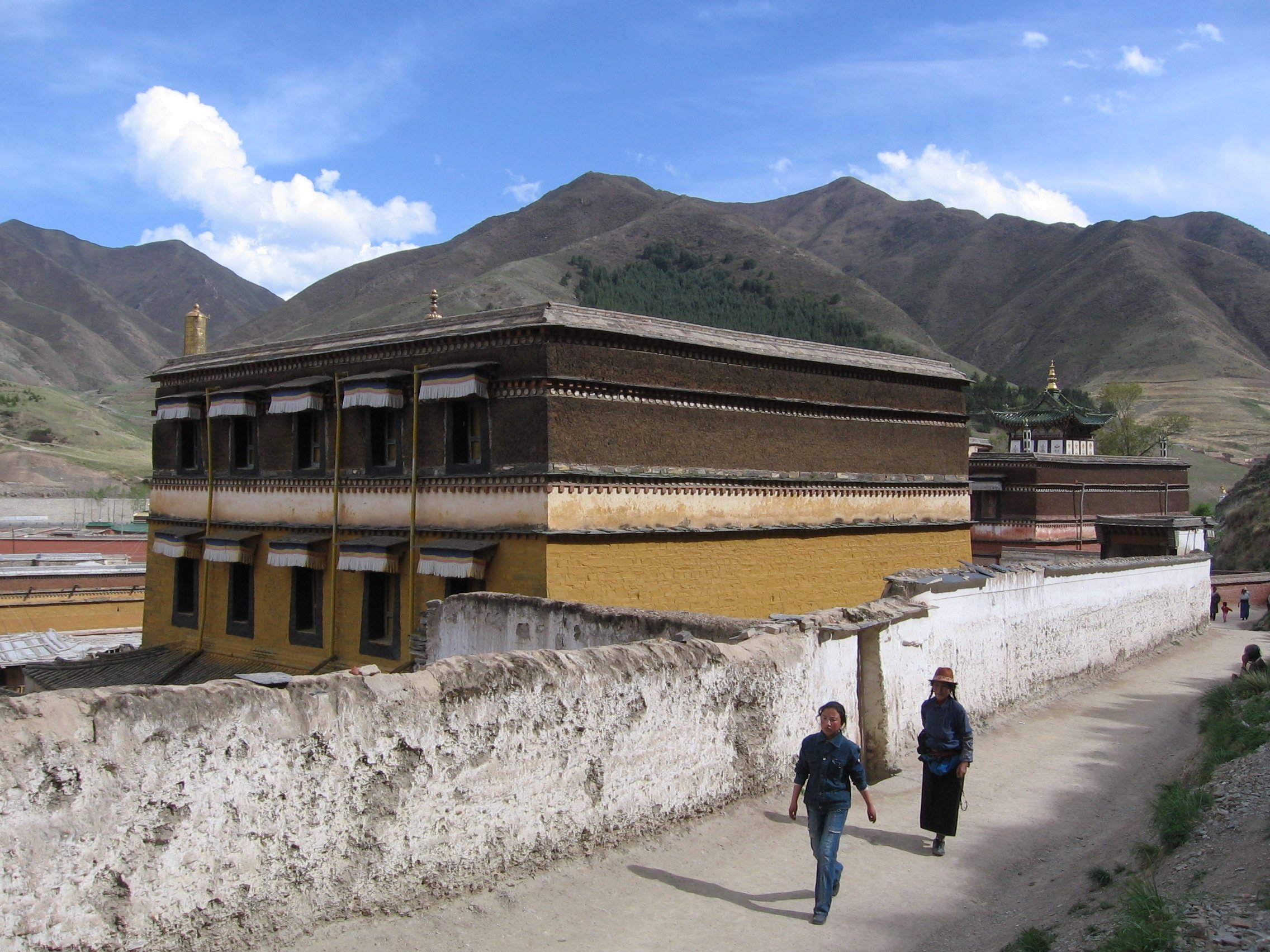
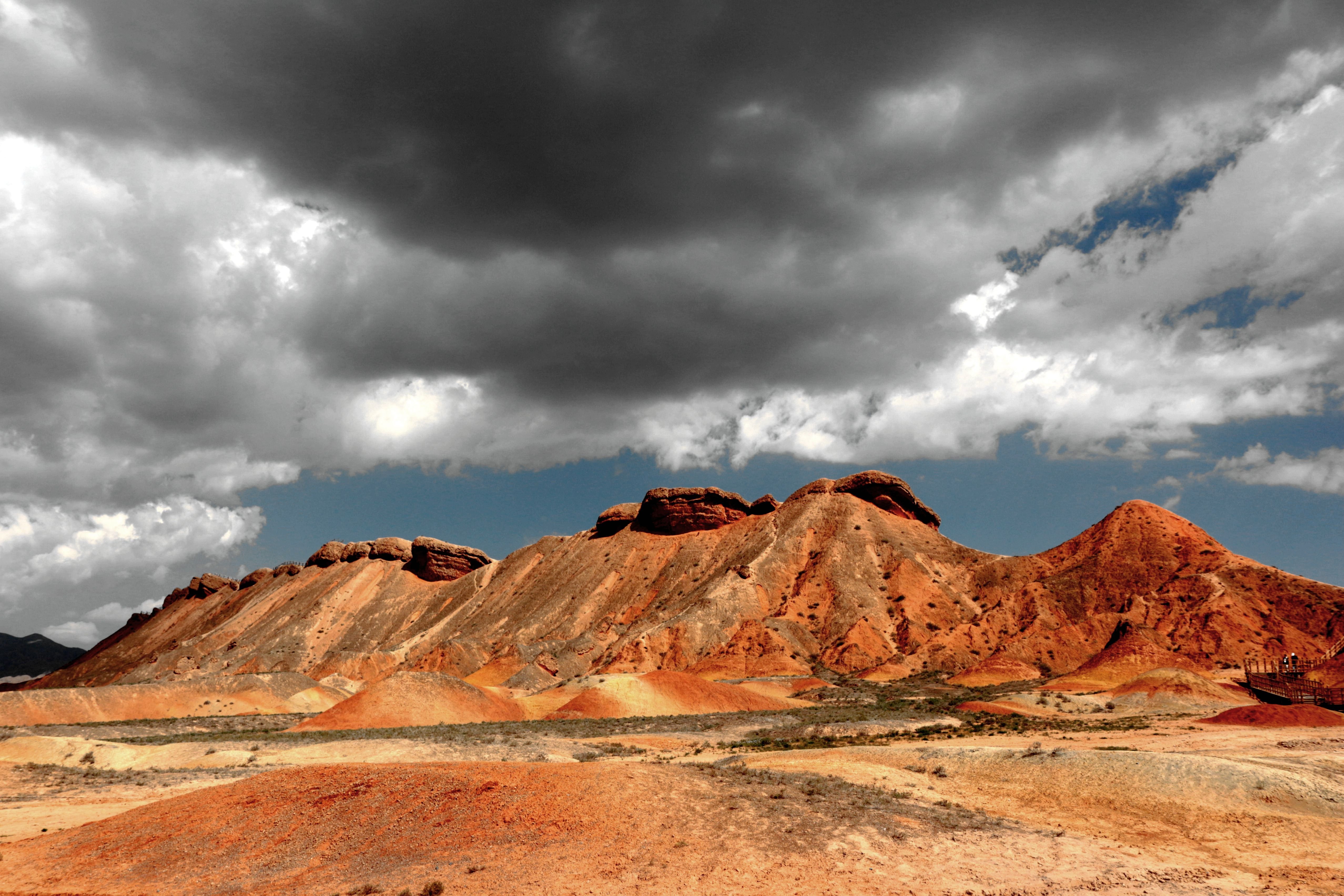
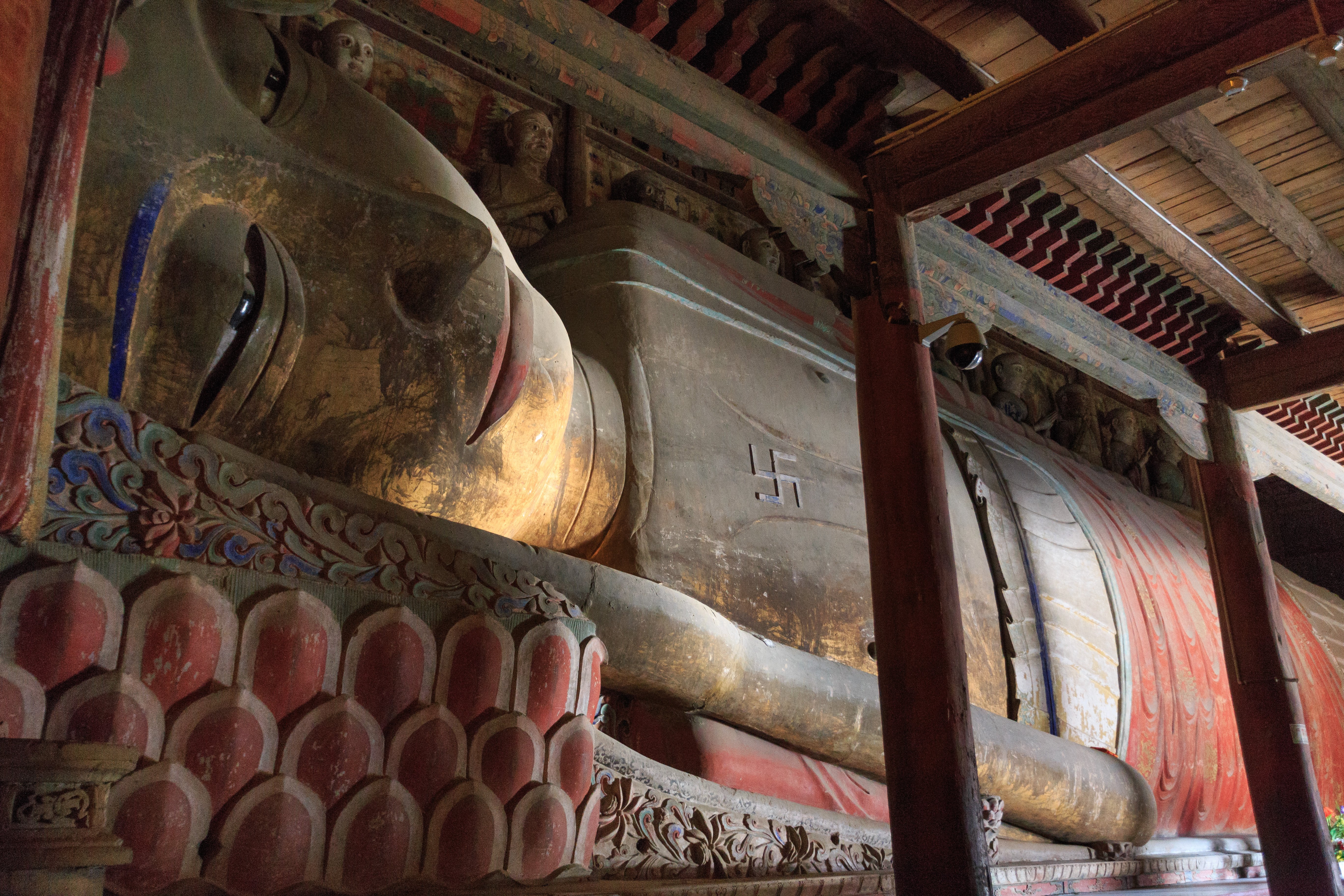
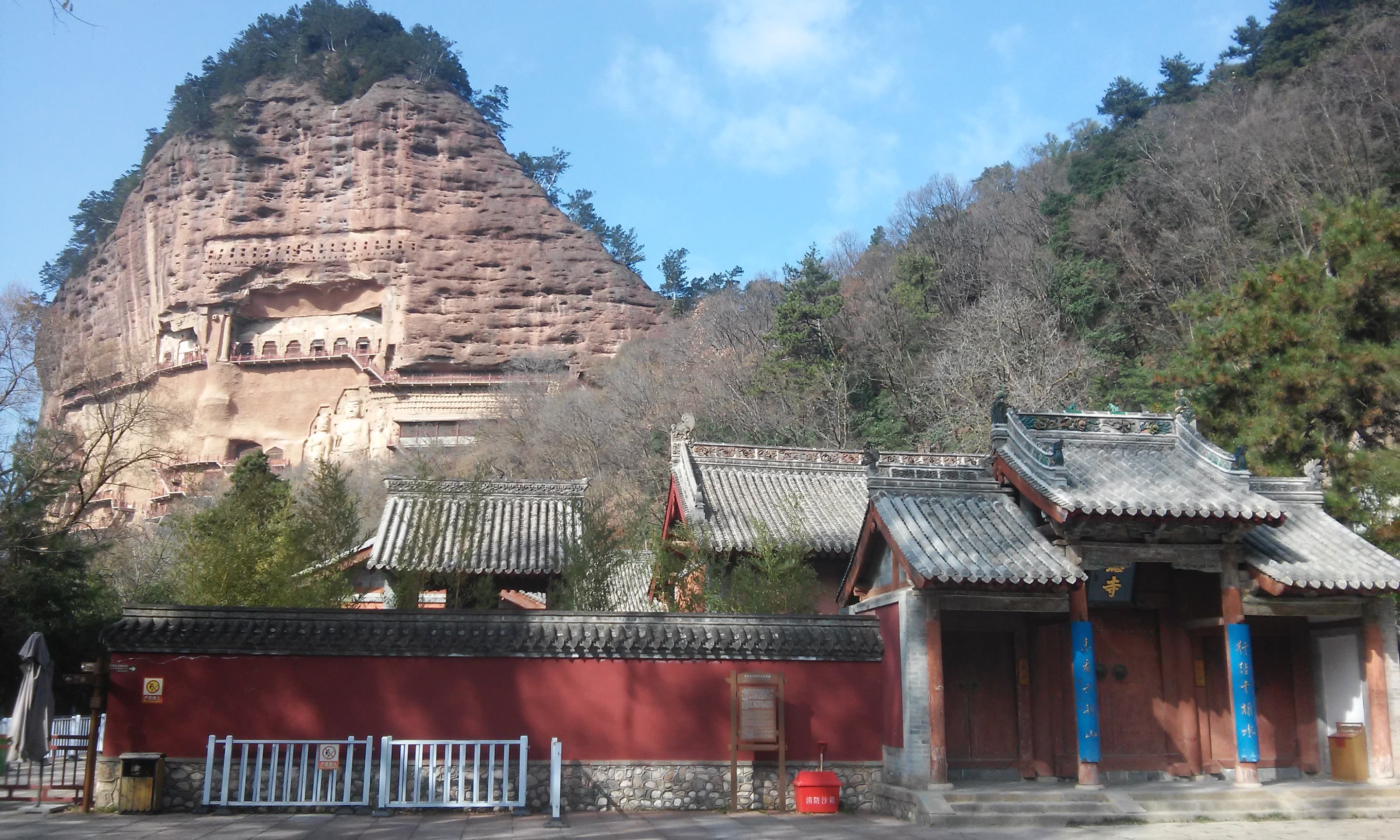
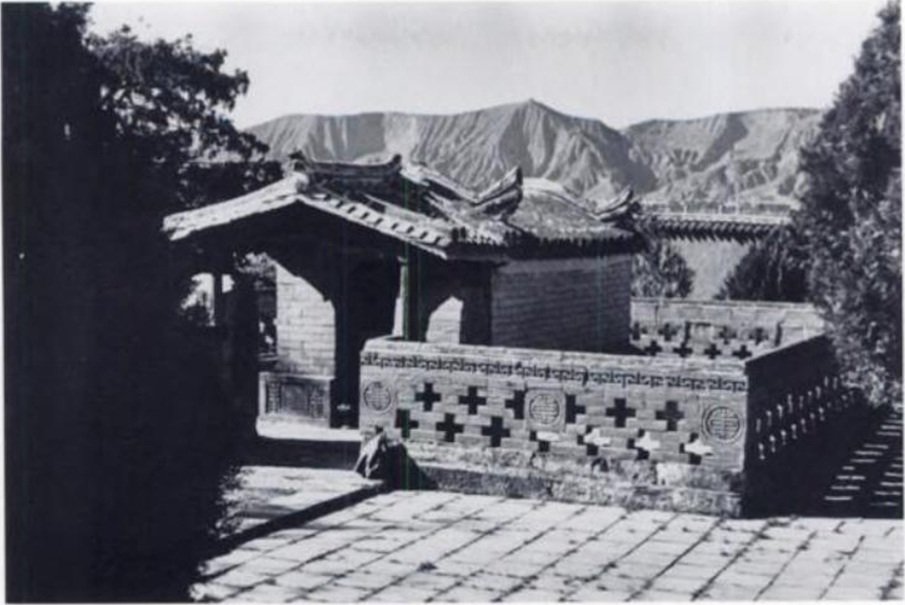
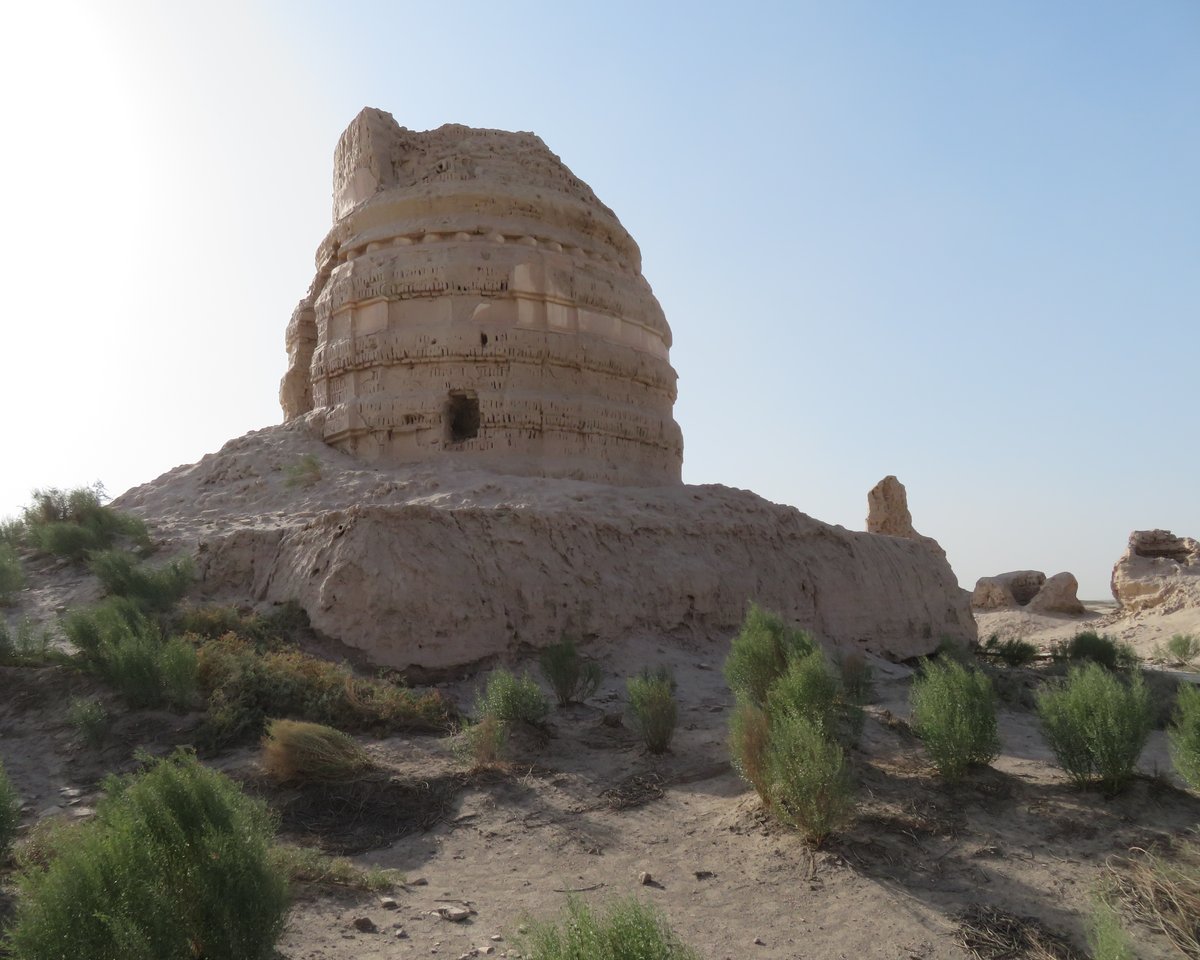
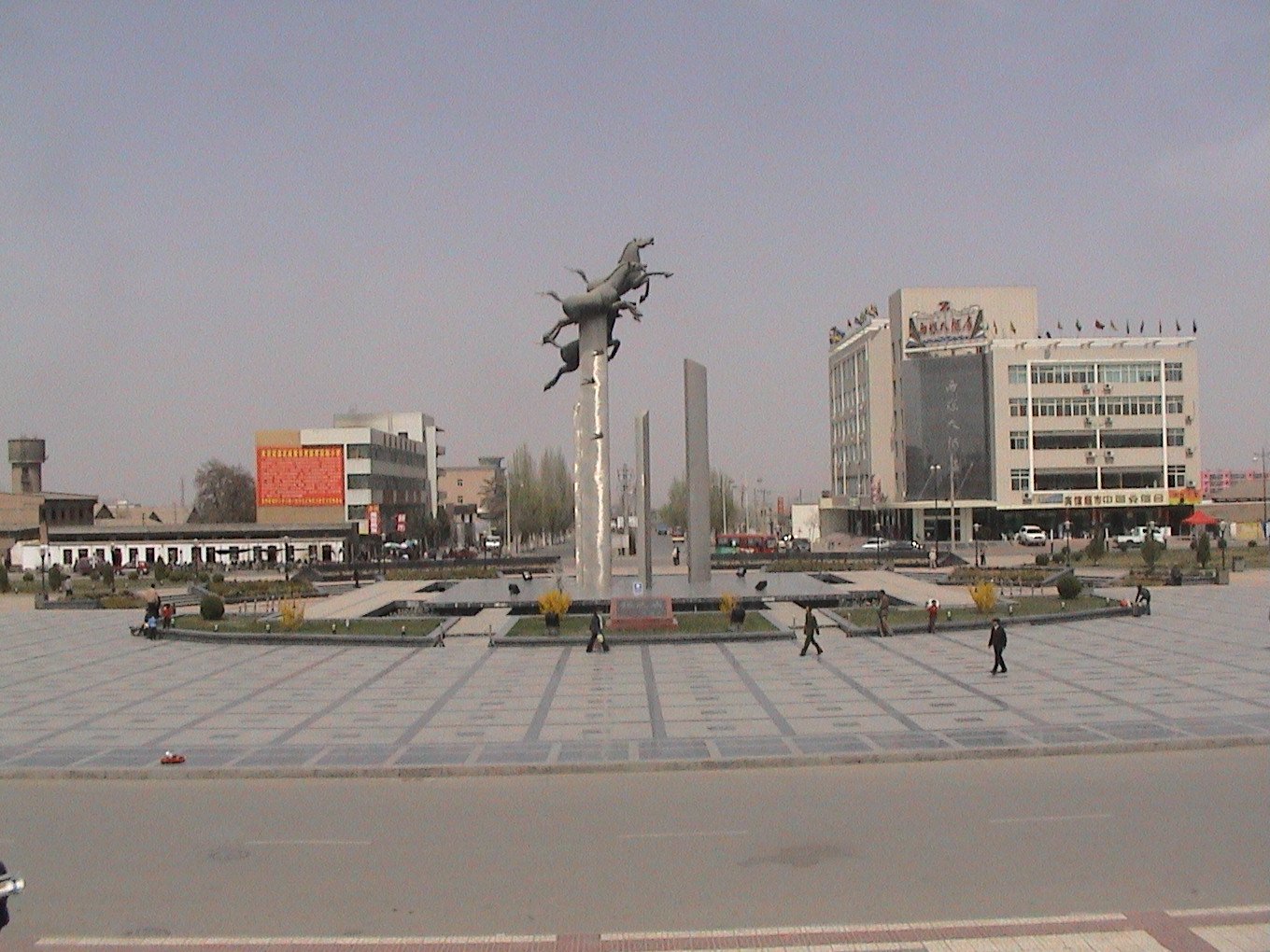
Gansu is the long corridor through which China's history flowed. The province is shaped like a corridor — narrow, elongated, squeezed between the Tibetan plateau and the Gobi Desert — and the Hexi Corridor that runs along it was for two thousand years the only practical route between China proper and Central Asia. The Silk Road caravans came through here; so did Buddhist missionaries, Nestorian Christians, and Mongol armies. The traces of all of them are still visible.
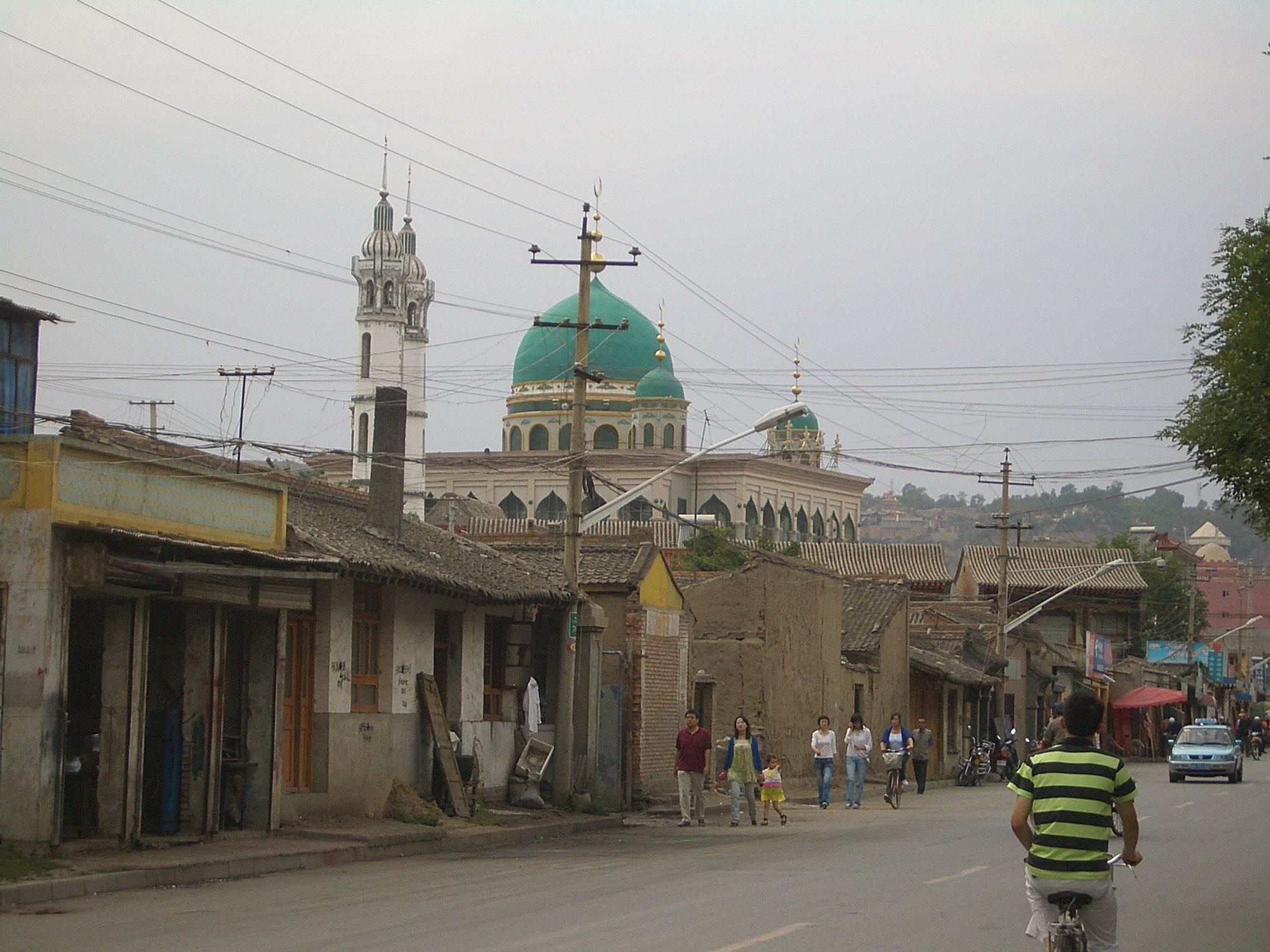
Lanzhou, the capital, sits on the Yellow River and is famous for hand-pulled noodles — Lanzhou beef noodles (lamian) are arguably China's most popular dish, reproduced in restaurants across the country, and they taste better here than anywhere else. The city has a significant Muslim Hui population and the atmosphere of a frontier town, which it essentially is.
Dunhuang is the province's great destination. The Mogao Caves, cut into a sandstone cliff fifteen kilometres southeast of town, contain over 45,000 square metres of Buddhist murals and 2,000 painted clay sculptures, accumulated over a thousand years of patronage from the fourth century onwards. They are extraordinary: the scale, the variety, and the state of preservation make Mogao one of the most remarkable art historical sites in the world. The Crescent Moon Lake, a freshwater pool in the middle of the Gobi dunes, is a geological curiosity that somehow still exists despite the development around it.
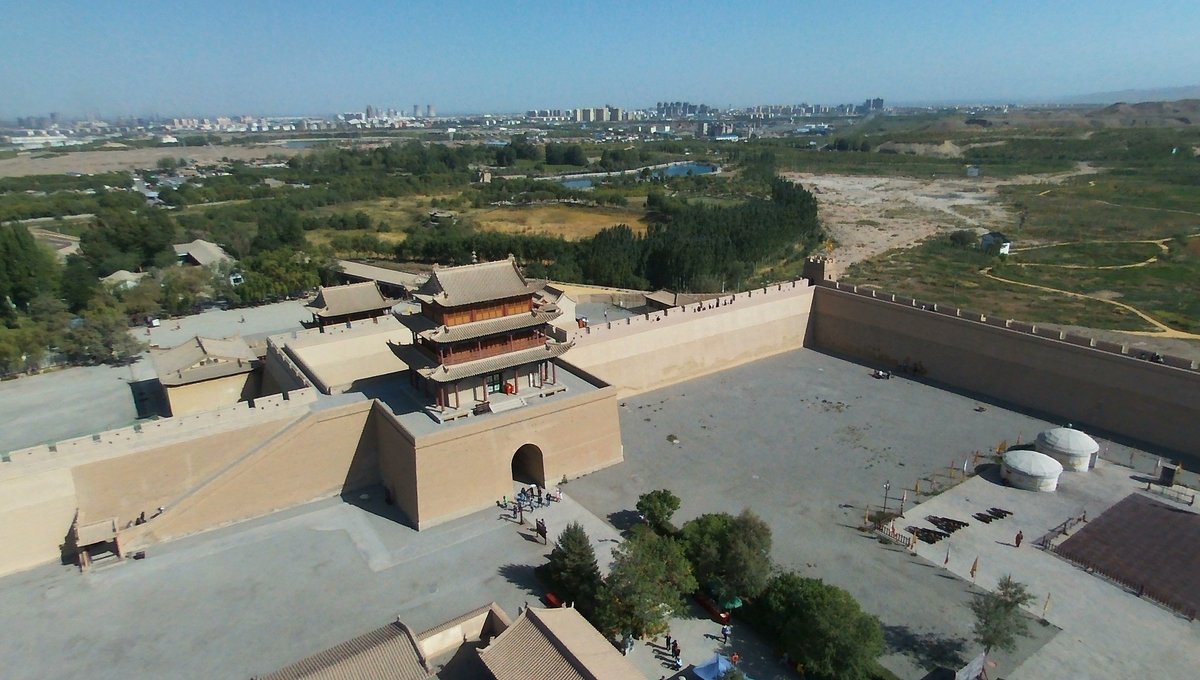
Along the Hexi Corridor between Lanzhou and Dunhuang, the Great Wall's western end — Jiayuguan — is worth a stop. The fort was the last Chinese outpost before the desert, the point beyond which you were on your own.