Kaili
©
Kaili

Kaili

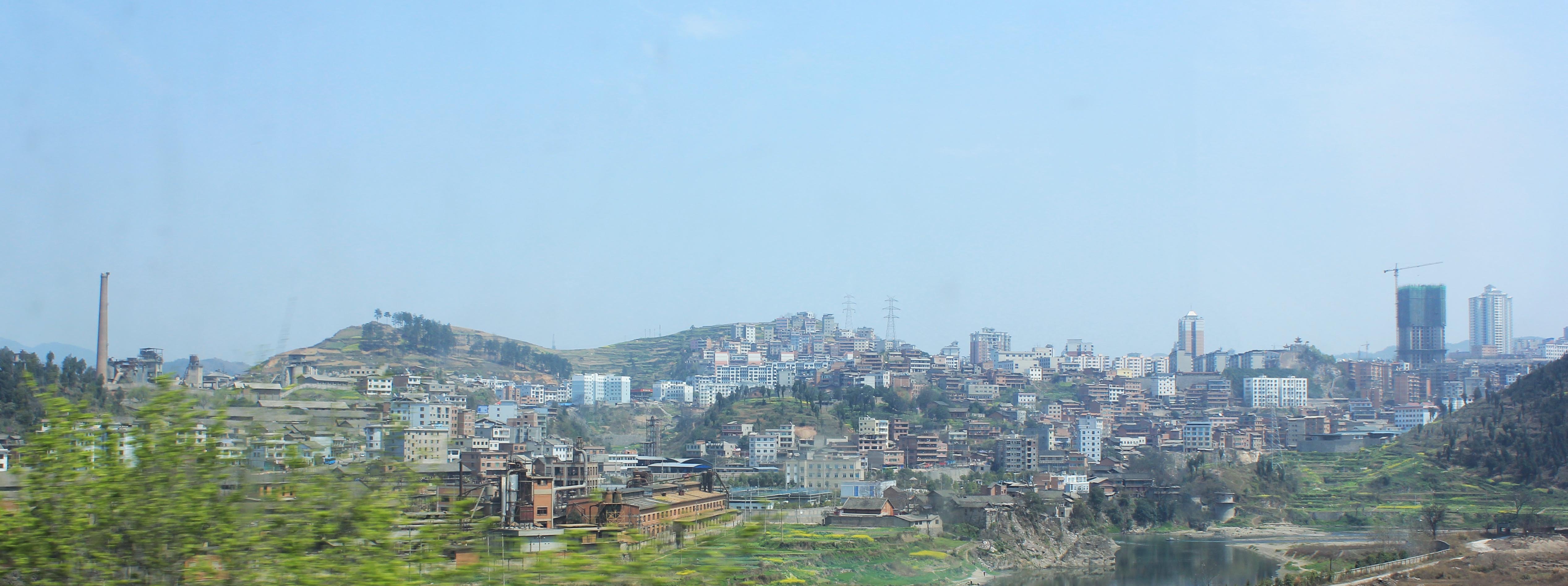
Industrial Guizhou city used as a base for Miao and Dong villages in Qiandongnan.

Kaili is an industrial city that nobody goes to for the city itself. It exists on the traveller's map as the gateway to the Qiandongnan Miao and Dong Autonomous Prefecture — a region of river valleys and wooden villages where Miao and Dong minority culture has survived with more substance than almost anywhere else in China. The city is the practical base: it has the hotels, the transport connections, and the bus station where you pick up the routes into the surrounding countryside.

The Qiandongnan Prefecture Ethnological Museum, near the centre, is worth a few hours before heading out to the villages. The collection covers the material culture of the twenty-some minority groups in the prefecture — silver jewellery, indigo-dyed textiles, lusheng bamboo pipes, wooden architectural models — and puts what you're about to see in context. The museum is free, which in China remains a reliable quality signal. Kaili's Sunday market draws villagers from across the region and is a genuinely working market rather than a tourist event; the traditional clothing on display is worn, not performed.

From Kaili, the main village routes run southeast. Xijiang (see /asia/china/guizhou/xijiang), an hour south, is the largest Miao village in China and the most visited. Lang De, 20 kilometres south of Kaili along the Bala River valley, is smaller and quieter — stilt houses on a hillside, rice terraces below, and a community that hasn't yet had the village square paved over for a light show. Zhaoxing (see /asia/china/guizhou/zhaoxing), the great Dong village with five drum towers, is seven hours further south and requires an overnight; the bus from Kaili is infrequent but real. Taijiang (see /asia/china/guizhou/taijiang), to the east along the Qingshui River, is the centre of the Miao Sister Festival each spring — a courting ceremony involving the exchange of sticky rice in embroidered pouches that draws thousands of people in extraordinary costumes.

The food in Kaili and the surrounding villages is built on fermented flavours — sour fish soup made with the catch from the river valleys, sour beef soup, rice noodles in fermented broth that appear at every corner for breakfast. None of it tastes like the Guizhou restaurant food you might have encountered elsewhere.

Guide

Eating Out

Kaili's cuisine is dominated by fermented and sour flavours — a regional tradition that extends throughout Qiandongnan Prefecture and into the surrounding villages. The food is cheap, filling, and surprisingly complex. Most of the best places are small, unstaffed in appearance, and require you to point at things.

Guide

Getting Around

Kaili is a compact city and most central sights are within walking distance of each other. City buses cover the main routes for ¥1; taxis are cheap and plentiful. Didi (the Chinese ride-hailing app) works in Kaili and is often faster than flagging a taxi on the street.

The practical transport challenge is reaching the villages. Public buses from the main bus station are the cheapest option and go everywhere, but schedules are limited — last buses back from smaller villages may be in the early afternoon. For more flexible timing, hiring a private car or joining a small group tour is worthwhile. Several guesthouses in Kaili can arrange shared car trips to two or three villages in a day for ¥150–250 per person.

Guide

Getting There

Kaili is connected to Guiyang by high-speed rail (about 45 minutes) and regular rail (about 2 hours). The high-speed station, Kaili South, is outside the city centre and requires a taxi or city bus to reach the main areas. Buses from Guiyang's long-distance bus terminals also run to Kaili, taking about 2 hours.

From Kaili's main bus station (Kaili keyun zhan), buses run throughout the day to the surrounding villages. Xijiang is the most frequent destination (about 1 hour, every 30 minutes), with direct buses also running to Zhaoxing, Taijiang, Rongjiang, and Lang De. Check the schedule at the station, as rural services stop earlier than city buses.

Guide

When to Go

Spring — particularly April through June — is the best time for the Qiandongnan region. The rice terraces around the villages are planted and lush, the weather is mild at around 15–22°C, and a number of major Miao festivals fall in this season. The Miao Sister Festival (Zimei Jie) at Taijiang, usually in April or May of the lunar calendar, is the largest — a multi-day courting ceremony involving traditional dress, lusheng music, and communal meals, drawing participants from dozens of surrounding villages.

Autumn (September–November) is also excellent: clear skies, harvest landscapes of golden rice, and fewer visitors than the spring festival season. Summer is hot and wet; the villages are photogenic in the mist but the humidity is challenging. Winter is cold in the mountains and some village guesthouses close for the season.

If a specific festival is your reason for visiting, check the lunar calendar carefully — the dates shift each year relative to the Gregorian calendar. The Kaili Tourism Bureau website (in Chinese) posts festival calendars annually.