Dadonghai
©
Dadonghai

Dadonghai

Compact Hainan beach resort near Sanya, with clear-water snorkelling and a scrappy coastal nightlife.

Dadonghai is a compact beach resort about 3km south-east of Sanya — ten minutes by minibus, or a pleasant hour's walk along the coast. It draws a younger, more budget-conscious crowd than Yalong Bay, and has a scrappier, more lived-in feel for it.

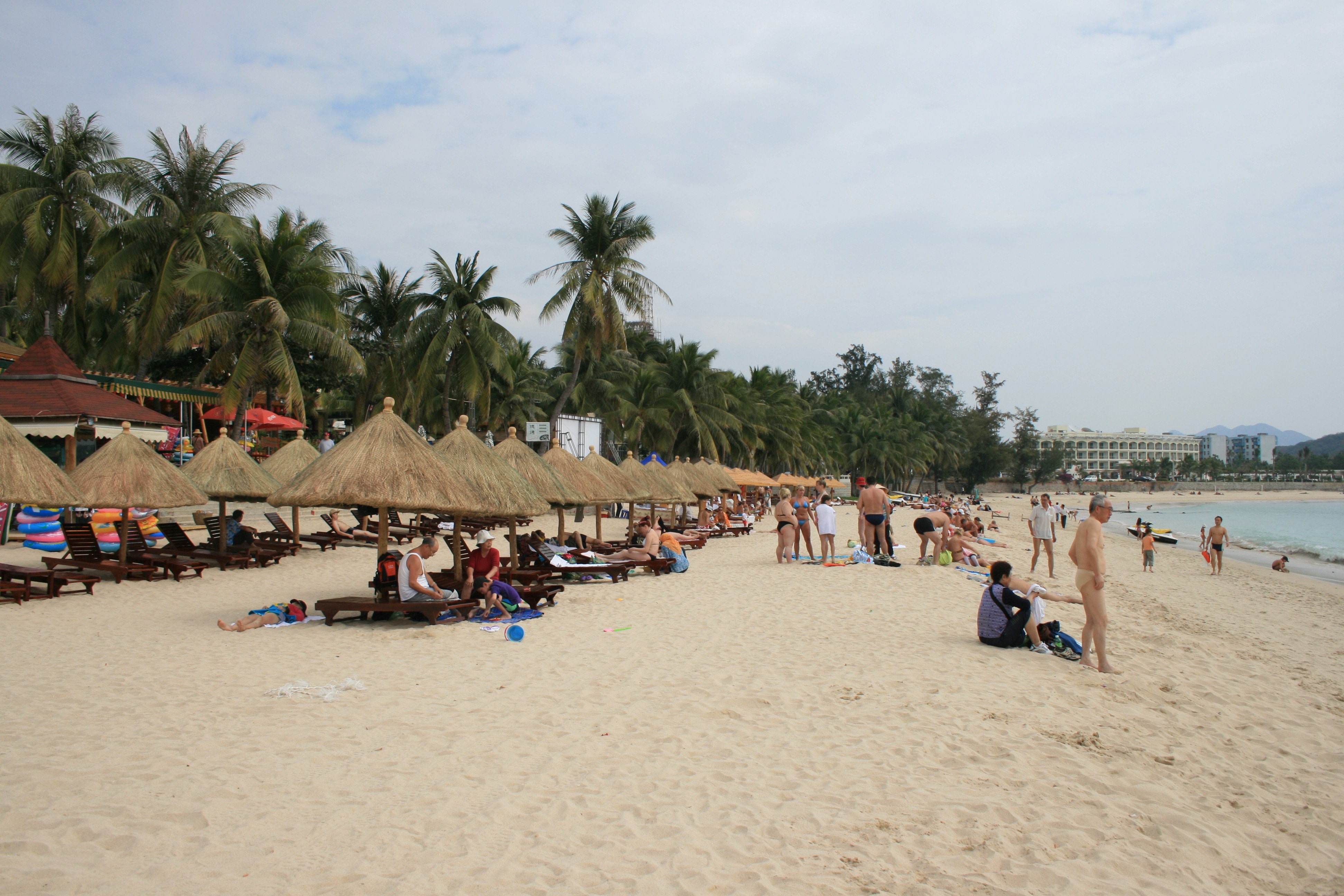
Dadonghai Beach is the draw: warm, clear water with decent coral not far offshore. Snorkelling and diving are well-organised here, with professional instructors willing to take first-timers under the water. Beach umbrellas rent for around 50 yuan for a half day. The seafood restaurants lining Yuya Road just back from the sand are the obvious place to eat — pick from the day's catch straight out of the nets. The wooded headland to the south, Luhuitou Park, gives the best sunset view in town.

There's a low-key bar scene, including at least one place with live blues music and a proper cocktail list. For a beach resort this compact, it punches above its weight for a good night out.

Guide

Bars and Cafes

Dadonghai punches above its size for nightlife — a legacy of being the budget-traveller alternative to Yalong Bay's resort bubble. A handful of bars in the streets behind the beach put on live music most evenings, with reggae, blues, and Filipino covers bands the usual fare. Crowd is a mix of long-staying Russian winterers, Chinese tourists, and a thinning Western backpacker contingent.

For the better cocktails and a quieter scene, the rooftop and lobby bars of the larger beachfront hotels are open to non-guests and pour a competent gin and tonic. Coconut shakes and fresh-squeezed mango juice from the street stalls are a fine non-alcoholic alternative; expect to pay about 15 yuan a cup.

Guide

Eating Out

The reason to eat in Dadonghai is seafood. The streets one block back from the beach — particularly along Yuya Road — are lined with open-fronted seafood restaurants where the catch sits in tanks and basins out front. You point at what you want, agree a price by weight (always confirm the per-jin rate before they cook), and choose how it should be cooked.

The classic order is steamed prawns, garlic-and-glass-noodle scallops, salt-and-pepper mantis shrimp, and a fish steamed Cantonese-style with ginger and spring onion. Hainanese chicken rice — the original of the dish that became Singapore's national plate — turns up on most menus too. Coconut Chicken Hot Pot is another local speciality worth trying. Expect to pay 150-250 yuan a head for a proper seafood feed; the same meal in Beijing or Shanghai would cost three times as much.

Guide

Getting There

Dadonghai sits about 3 km south-east of central Sanya, so reaching it means first getting to Sanya. Sanya Phoenix International Airport (SYX), 15 km west of the city, has direct flights from most major Chinese cities and a growing list of international ones — Hong Kong, Seoul, Moscow, Singapore. From the airport, the metered taxi to Dadonghai runs around 80-100 yuan, or take Bus 8 to the centre and change.

The Hainan High Speed Rail loops the island and connects Sanya to Haikou in about 1.5 hours — a scenic ride along the coast. From Sanya railway station, take a local taxi (about 30 yuan) to Dadonghai. From Sanya city centre, public Bus 2 and Bus 8 run to Dadonghai every few minutes for 2 yuan, or take a taxi for about 20 yuan.

Guide

Things to Do

Dadonghai is small enough to cover on foot in an hour. The beach is the reason to come — a curving 2.8-kilometre stretch of white sand that holds up well against any in southern China, with calmer water than Sanya Bay and easier access than Yalong Bay. Outside of the beach, the surrounding district has a couple of monuments and lookouts that are quick stops by taxi or scooter.

Most travellers spend mornings in the water — snorkelling near the reef, paddling out on rented kayaks, or taking introductory dive trips — and afternoons under one of the rented umbrellas. The streets back from the beach hold the bars, dive shops, massage parlours, and the seafood restaurants that come alive after sunset.

Guide

When to Go

The best weather runs from October through April — dry, warm, with daytime highs in the mid-twenties and the sea at swim temperature. December and January are the European and Russian high season, when the cheaper resorts pack out and prices double; book ahead if you want a room.

Summer (May through September) is hot, humid, and prone to typhoons. The rain typically arrives as short heavy bursts rather than all-day grey, but the sea churns up and dive visibility drops. Avoid the Chinese national holiday weeks — Spring Festival (late January or February), Labour Day (1 May), and the Mid-Autumn / National Day stretch (early October) — when the beach is shoulder-to-shoulder and seafood prices triple.