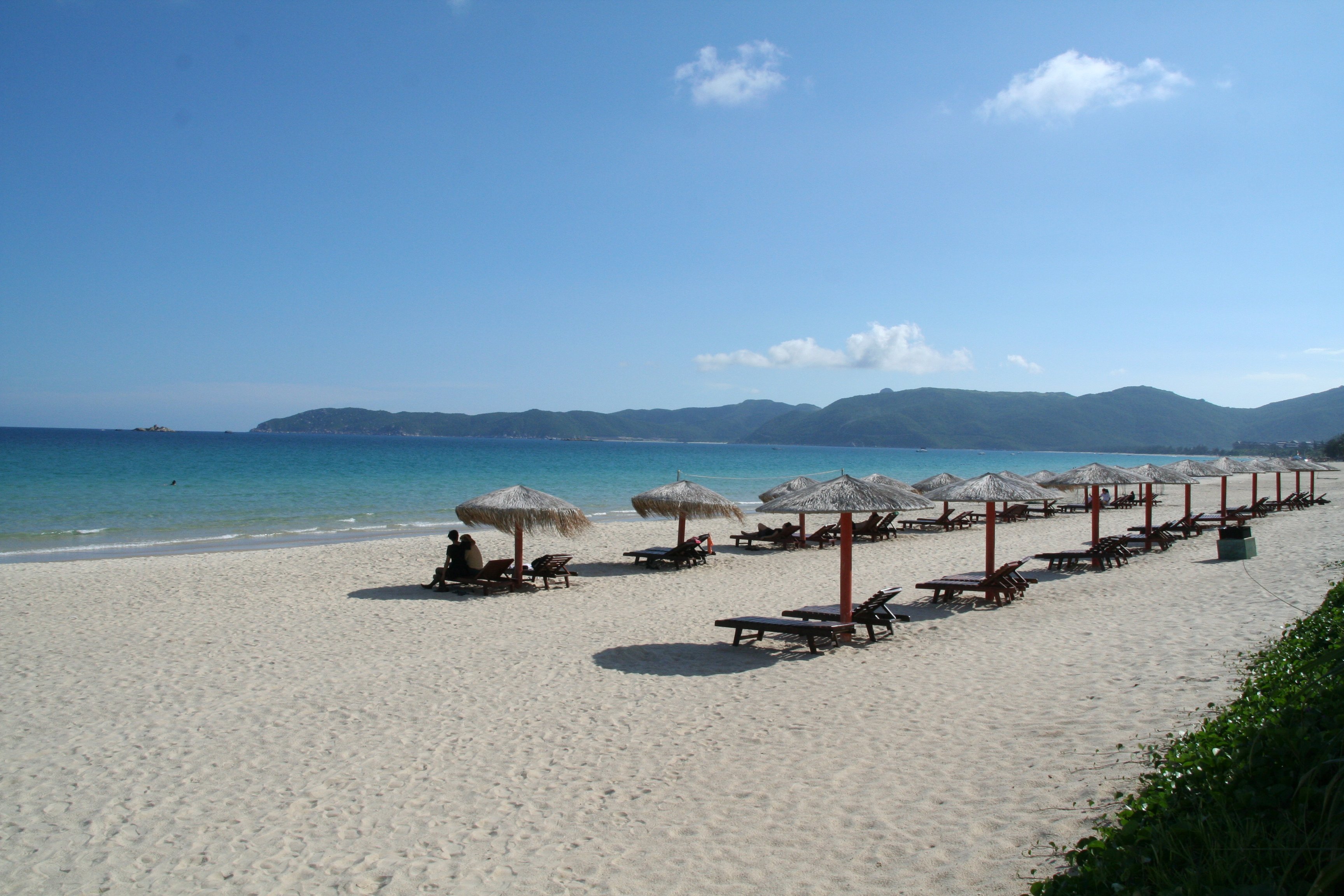
Yalong Bay
©
Yalong Bay

Yalong Bay

Sheltered Hainan beach bay with clear shallows, white sand, and protected marine-park waters near Sanya.

Yalong Bay (Yalong Wan) lies about 20km east of Sanya on the southern tip of Hainan Island, and is widely considered the finest beach on the island. The bay curves for around 7km in a broad arc, with white sand that stays fine-grained underfoot and water that stays clear well into the shallow. The area is a protected marine park, which has kept the beach from the worst of the overdevelopment that affects Sanya's other resort zones.

The headlands at either end shelter the bay from wind, which makes it calm for much of the year. A seashell museum near the beach has a large collection of tropical specimens, and there is a landscaped butterfly park nearby if you want a break from the sun. Most visitors stay at one of the large international resort hotels that back the beach.

Guide

Day Trips

Sanya city is the obvious half-day trip — 25 minutes west by taxi or bus. The seafood market at Sanya Number One Market, the Luhuitou Park headland with its statue of the deer that supposedly turned into a woman, and the duty-free CDF Mall together make a long afternoon.

Wuzhizhou Island sits off the coast east of Yalong Bay — a small forest reserve with snorkelling, glass-bottom boats, and a few diving operators. The boat from Houhai costs about RMB 130 round trip; allow most of a day.

Nanshan Cultural Tourism Zone is the giant Buddhist theme park on the southern tip of Hainan, dominated by a 108-metre statue of the goddess Guanyin standing offshore on three lotus platforms. Hugely popular with domestic visitors; an acquired taste for foreign ones, but the statue itself is genuinely impressive at scale.

Guide

Eating Out

The eating in Yalong Bay itself is concentrated in the resort hotels and a string of mid-range restaurants along the seafront plaza. For better, cheaper, and more authentically Hainanese food, take a 15-minute taxi back to Sanya — the seafood stalls at the Sanya Number One Market are the obvious destination, where you choose your fish, prawns, and crab from the tanks and pay a fee to have it cooked at one of the adjacent restaurants.

On the bay itself, the resort buffets are reliable if uninspiring; the better hotel restaurants run pan-Asian and Western menus aimed at the international crowd. Look for jiaji ya (Wenchang-style chicken), Hainan's most famous dish, on the menus of the larger Chinese restaurants.

Guide

Getting There

By air. Sanya Phoenix International Airport (SYX) sits about 40 km west of Yalong Bay, with multiple daily flights from Beijing, Shanghai, Guangzhou, and Hong Kong, plus a thinner international schedule from Seoul, Singapore, and Bangkok. A taxi to Yalong Bay costs around RMB 150 and takes 45 minutes; most resort hotels run shuttles for arriving guests.

By high-speed rail. Sanya Station, in the centre of Sanya city, is the southern terminus of the Hainan high-speed rail loop. From Haikou (the provincial capital, at the northern end of the island) the trip takes about 90 minutes. From the station, taxis run to Yalong Bay in about 30 minutes.

Local bus. Sanya bus 15 runs between Sanya city and Yalong Bay, with stops along the bay road. RMB 5; takes about an hour. Useful for day trips but slow if you have luggage.

Guide

When to Go

Yalong Bay is a year-round destination thanks to Hainan's tropical climate, but the seasons matter for crowds and weather.

October to April is high season — warm, dry, low humidity, with daytime temperatures around 26–30°C. The Chinese New Year week (late January or early February) is the busiest stretch of the year, when rooms triple in price and the beach fills with families. Book months ahead.

May to September is the wet season, hot and humid (32–35°C, with afternoon thunderstorms most days). July and August carry typhoon risk, though Yalong's south-facing position offers some shelter. The trade-off is sharply cheaper rates and far fewer people. The bay is at its emptiest in early June and late September.

Avoid the Chinese national holidays in early May (Labour Day) and early October (National Day), when domestic tourism spikes and prices follow.