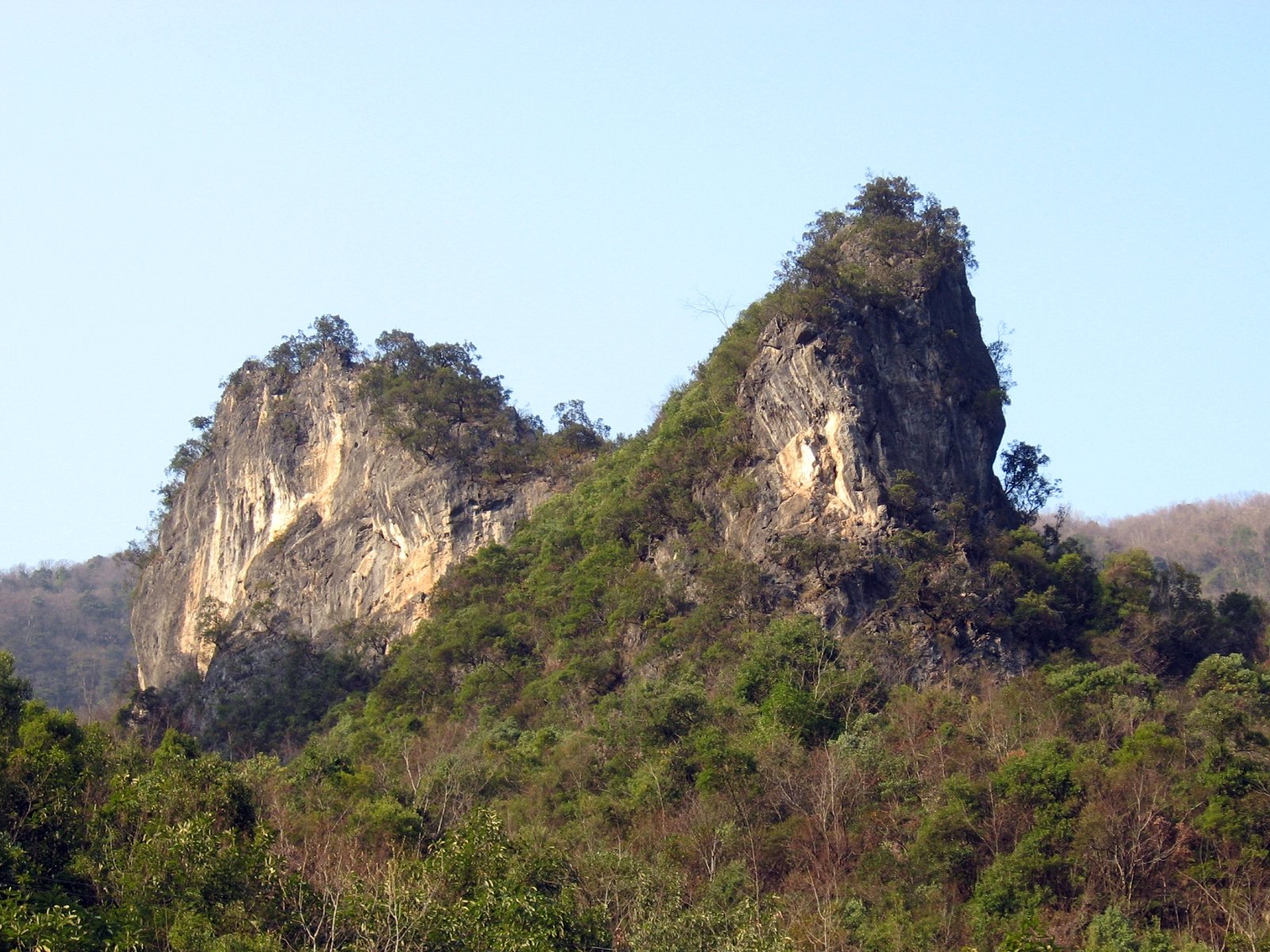
Shennongjia is the wildest place in central China. A high-altitude forest reserve in northwestern Hubei, it covers over 3,200 square kilometres of largely intact subtropical and temperate forest on ridges that reach nearly 3,100 metres. UNESCO inscribed it as a World Heritage Site in 2016, both for its biodiversity and for the ancient forests that somehow survived while nearly every other lowland forest in central China was cleared for agriculture.
The reserve takes its name from Shennong, the mythical emperor who taught the Chinese people to farm and is said to have identified medicinal plants here by tasting them. It is also the territory most persistently associated with the yeren — China's answer to Bigfoot — though no one has found one yet. Take the legend as you will; what the reserve does have is a genuine wilderness character rare in a country this densely populated.
The Shennongding peak area, highest in central China outside Tibet, offers alpine meadows, old-growth fir and spruce forest, and views on clear days across wave after wave of forested ridges. The Tianyan scenic area has the most spectacular cliff scenery, with sheer drops above clouds filling the valleys. In autumn the beech forests turn gold and red across entire hillsides.
The reserve has significant biodiversity — golden snub-nosed monkeys (which exist here in substantial populations), clouded leopards, Chinese giant salamanders, and species of birds found nowhere else. The monkeys can be seen relatively reliably at feeding stations in certain areas of the reserve; the rest of the wildlife requires patience or luck. Muyu town also has a small Yeren Museum documenting the local legend of the wild man that has been reported in these forests for centuries.
Base yourself in Muyu town at the southern edge of the reserve, which has guesthouses and restaurants. From Muyu it is easy to reach the main scenic areas by minibus or hired car.
Shennongjia is most practically accessed from Yichang (about three to four hours by car or bus). A small airport at Shennongjia has limited flights to Wuhan and other cities.