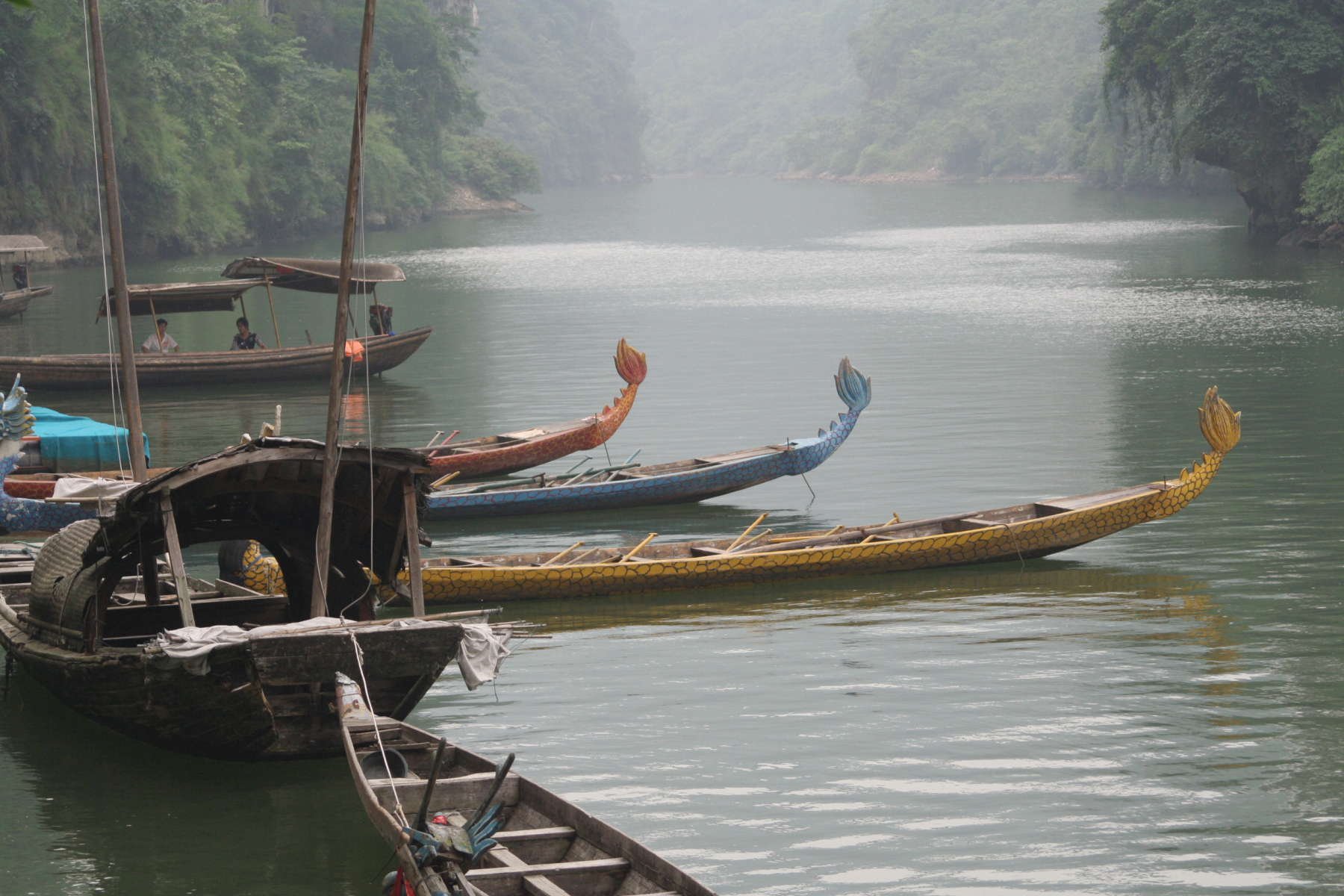
Yichang is the city that sits at the gates of the Three Gorges. The dam is upstream, the gorges are upstream, and all the river cruise ships heading between Chongqing and the east pass through here. As a destination in its own right it is a functional, mid-sized Chinese city without great charm, but as a base for some of central China's most dramatic scenery it is indispensable.
The Three Gorges Dam (Sanxia Daba) is 30 kilometres west of the city centre. It is the largest hydroelectric dam in the world — the statistics are relentless and the engineers who built it are rightly proud — and the scale of the structure is genuinely impressive on the ground in a way that photographs cannot convey. The five-stage ship lock, which raises and lowers vessels some 113 metres over five chambers, is one of the engineering spectacles of the modern world. Entry to the dam observation areas is free, though the bus tour costs around ¥75. Allow a full morning.
The Yangtze River cruise from Yichang to Chongqing (or the reverse) is one of the classic journeys in China. The Three Gorges — Qutang, Wu, and Xiling — still exist and still impress, even if the water level has risen since the dam closed in 2003. The sheer limestone cliffs of Wu Gorge, with the hanging coffins of the ancient Ba people in the cliff faces, remain extraordinary. Cruises take three to four days and range from budget ferries to luxury ships. Yichang is the natural embarkation point going upriver.
Closer to the city, the Three Visitors Cave (Sanyou Dong) is a riverside limestone cavern where three Tang dynasty poets took shelter together in 819 AD and wrote poems on the walls. The cave is carved with inscriptions from every subsequent dynasty, making it a kind of layered literary monument. The views from the entrance toward the old defensive walls are also good.
Yichang connects easily to Wuhan by high-speed rail in about 90 minutes, and to Chongqing in around four and a half hours. Enshi is accessible by high-speed rail from Yichang in about two hours. Shennongjia is most easily reached from Yichang by bus or hired car.