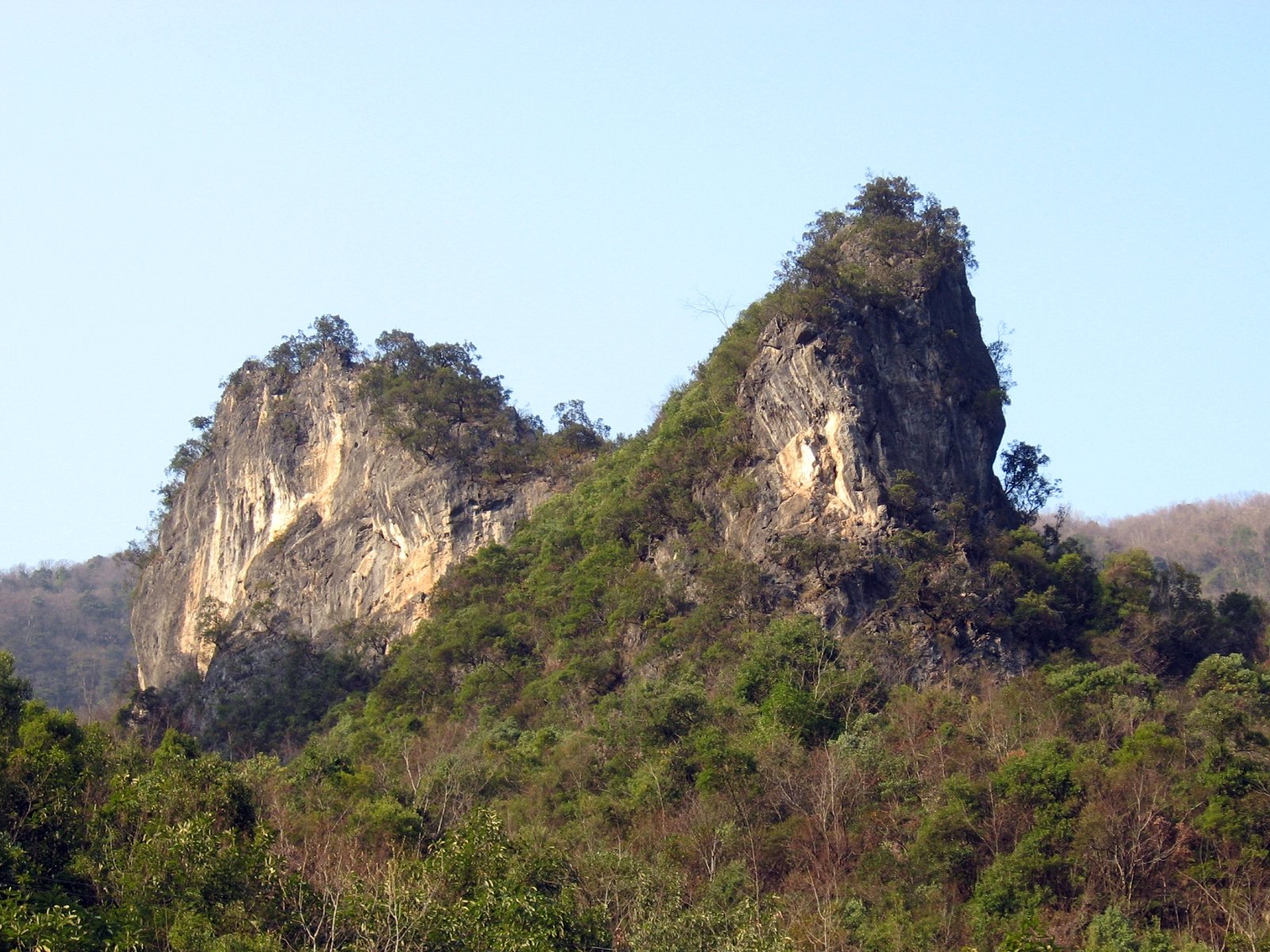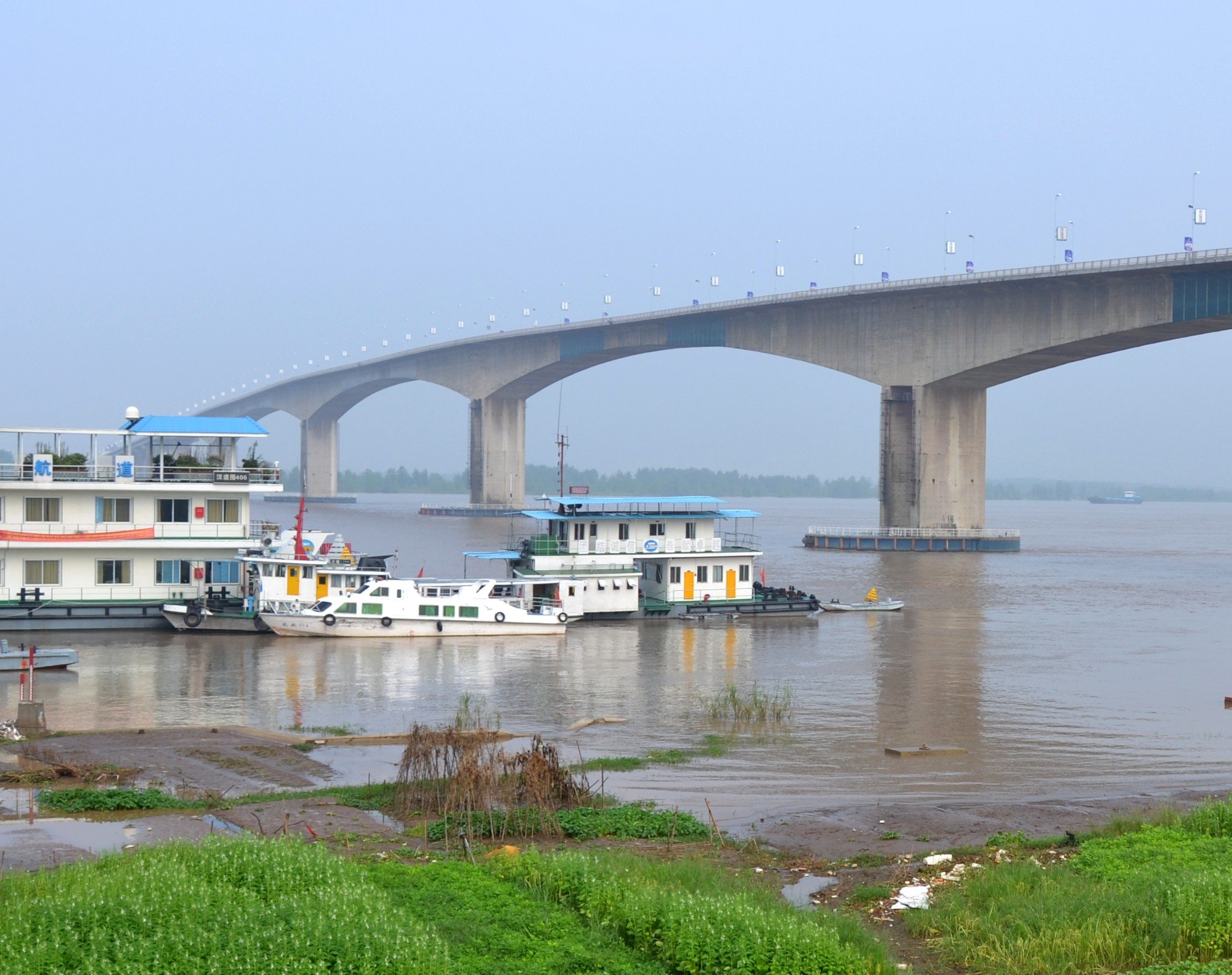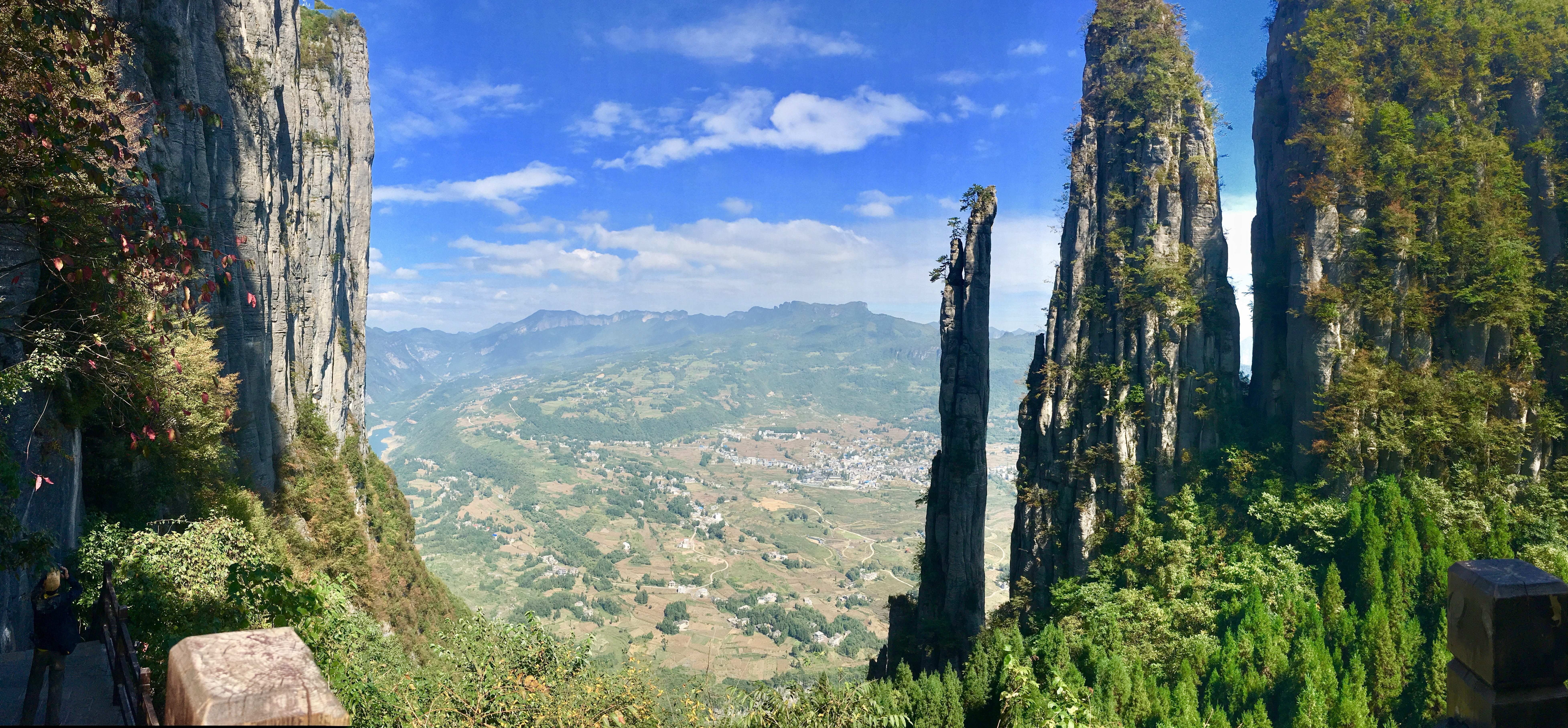
Hubei sits at the heart of China, literally and historically. The Yangtze River cuts through it from west to east, and it was the construction of the Three Gorges Dam — the world's largest power station — that brought Hubei to global attention in the 1990s and flooded the most dramatic section of the river. The gorges still exist and are still impressive; they are just less dramatic than they were before the reservoir rose.
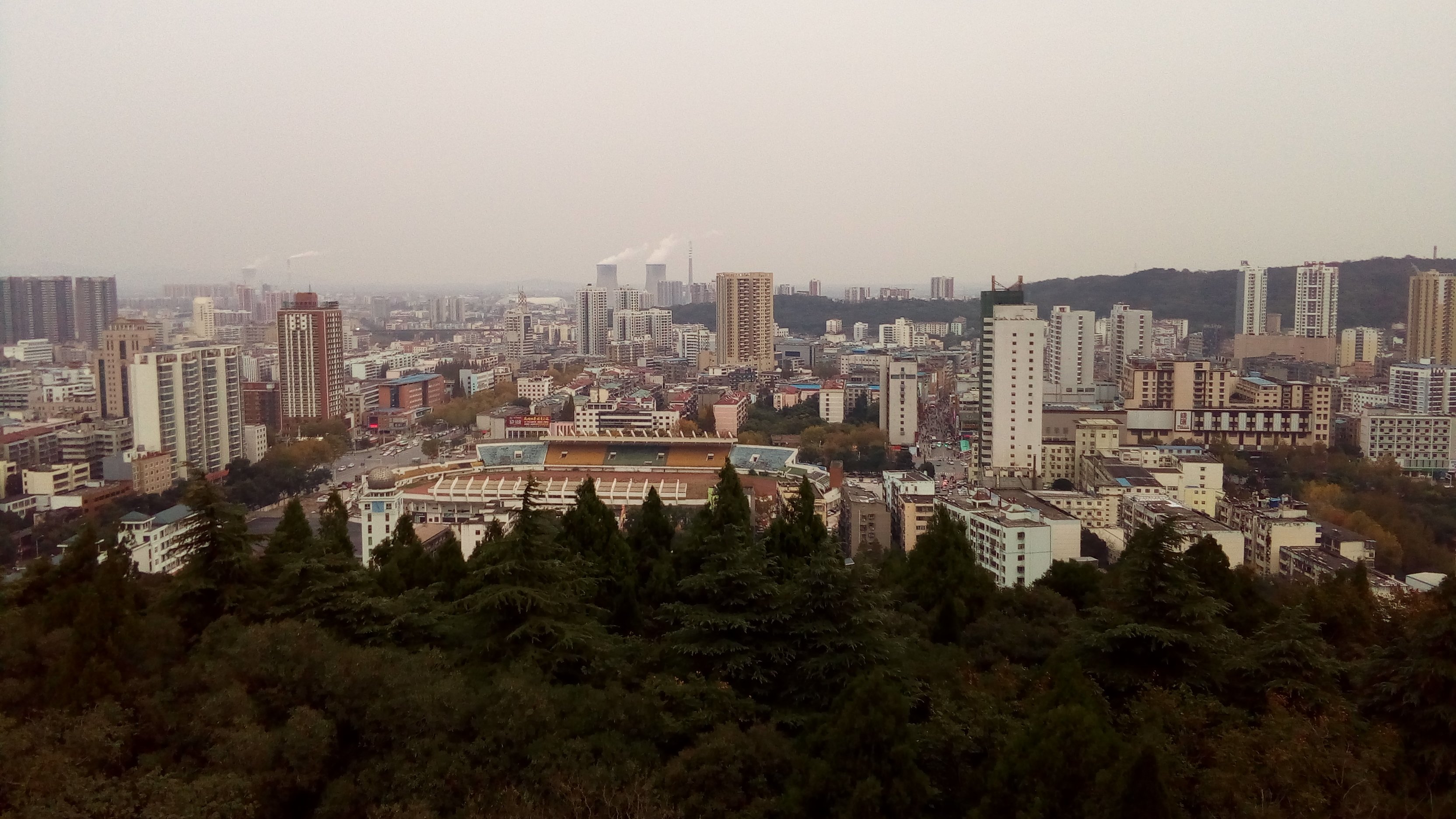
Wuhan, the capital, is a conurbation of three cities — Wuchang, Hankou, and Hanyang — that sit at the confluence of the Han and Yangtze rivers. It is a city of enormous historical weight: the 1911 revolution that ended imperial China began with an uprising in Wuchang. Hankou's old concession quarter retains its colonial buildings, now hemmed in by towers, and the Yellow Crane Tower on Snake Hill is one of the most celebrated views in central China. Wuhan is also famous for hot dry noodles (reganmian), which you should eat at a street stall for breakfast before doing anything else.
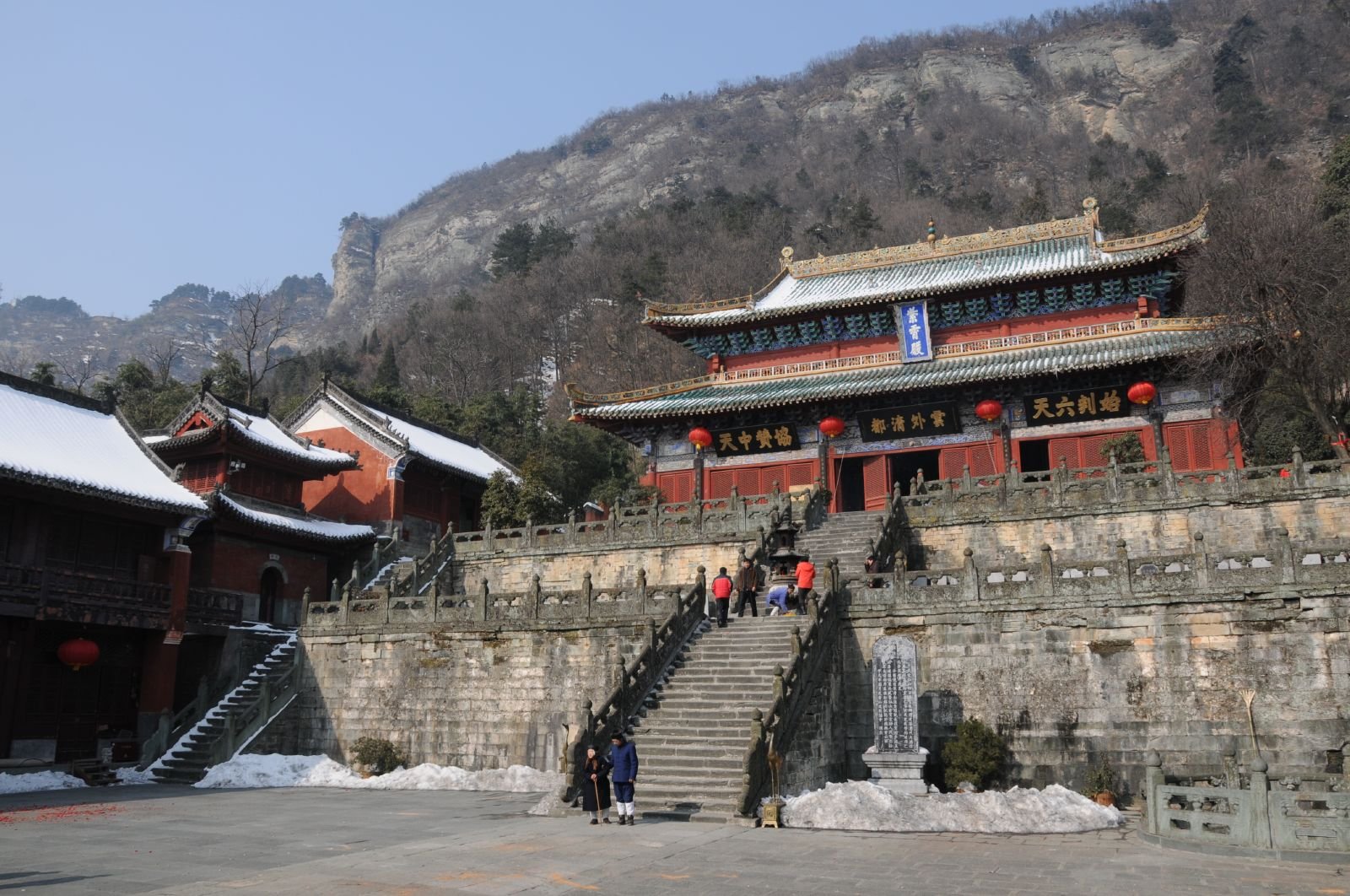
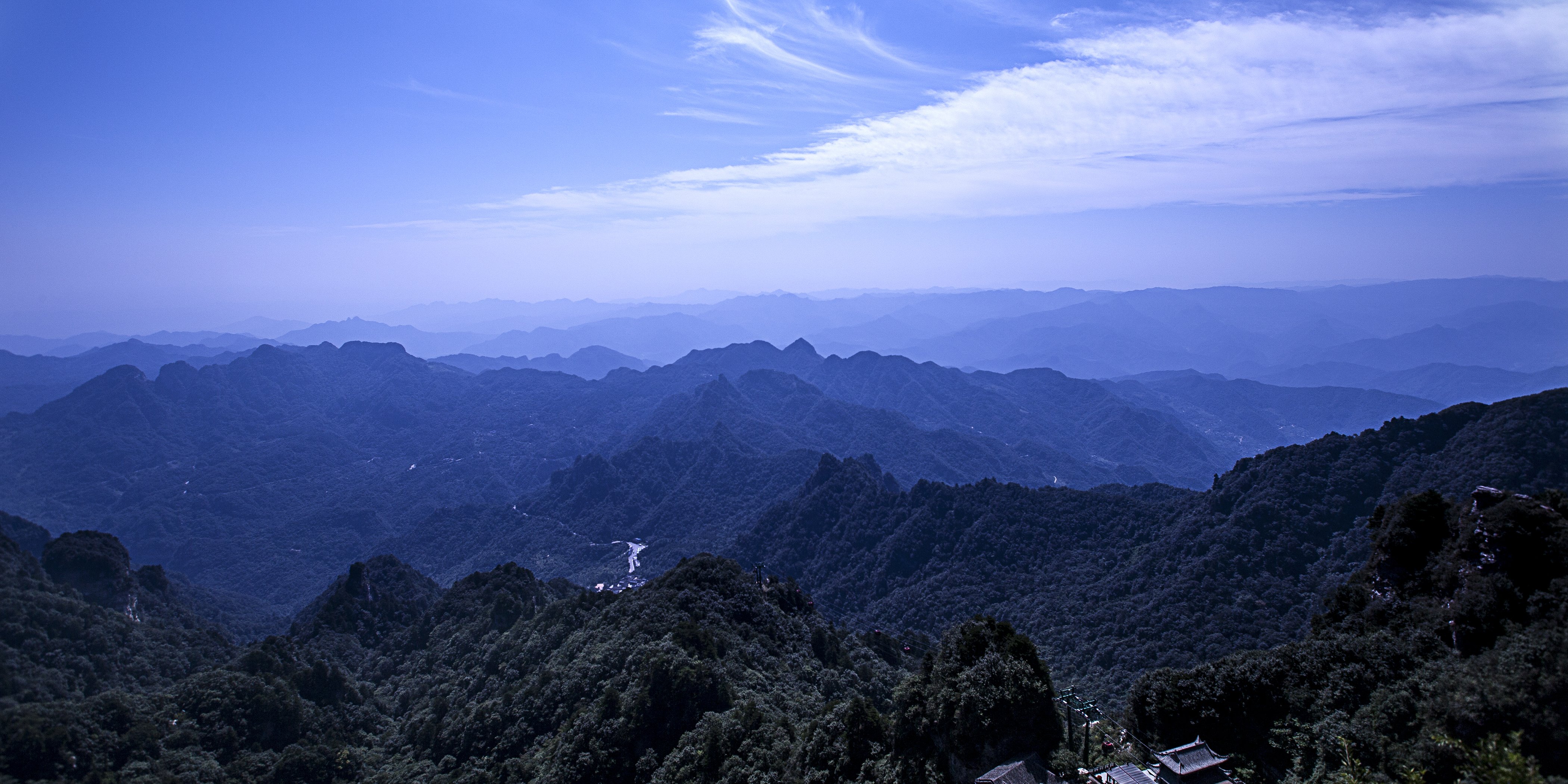
West of Wuhan, the Wudang Mountains are the spiritual home of Taoist martial arts. The mountain complex of ancient temples and monasteries, founded in the Tang dynasty, is where Tai Chi is said to have originated. The setting — mist-shrouded peaks, winding paths, dramatic drops — is as striking as any sacred mountain in China.
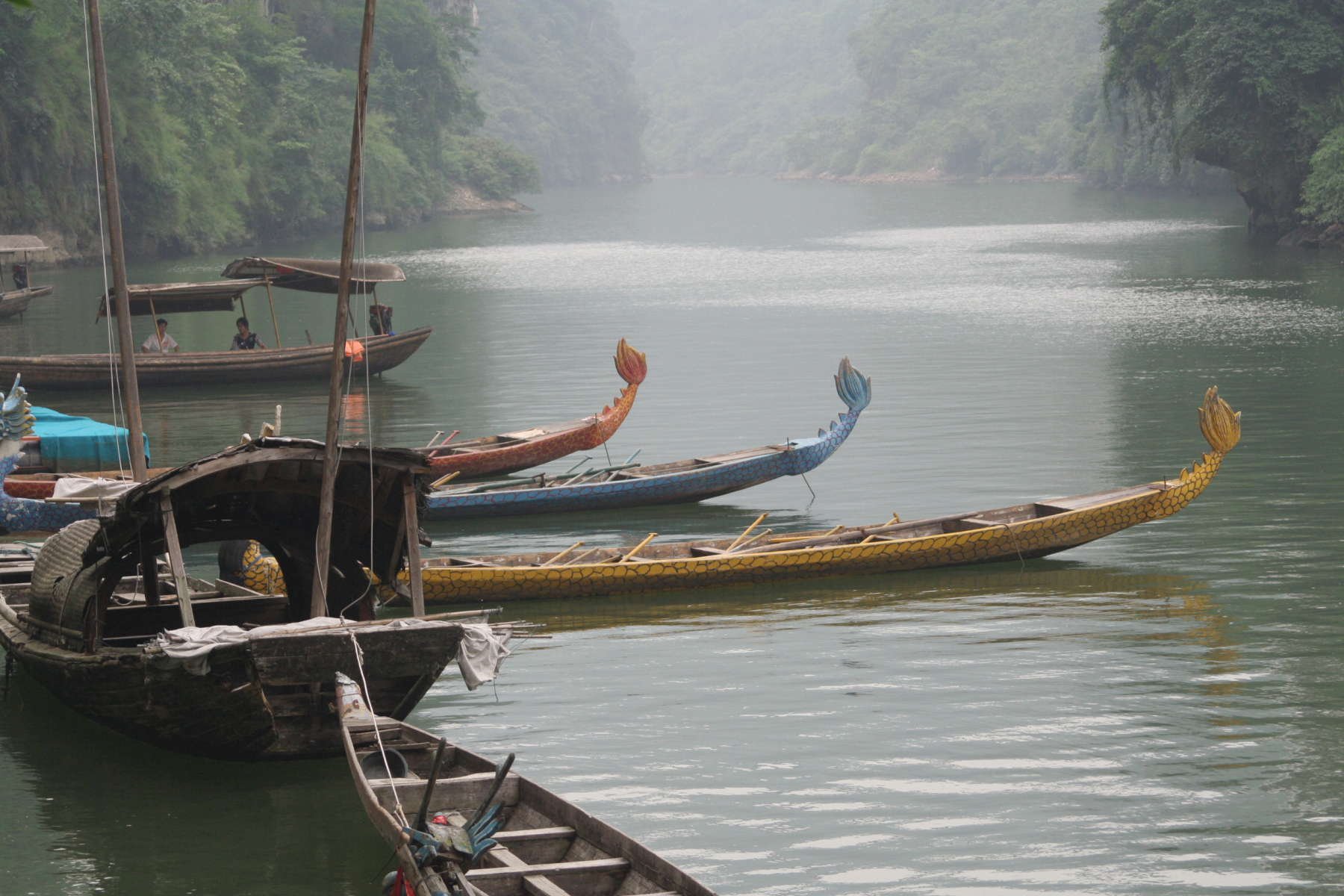
The Three Gorges Dam itself, at Yichang, is worth a stop if you are heading upriver. You can take a boat from Yichang through the gorges to Chongqing; it is one of the great river journeys in Asia, even if the scale is not quite what it once was.