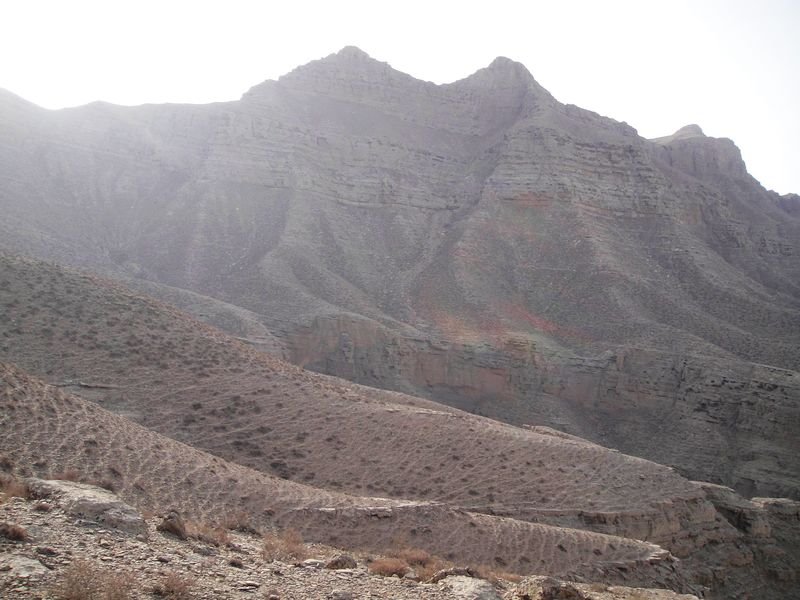
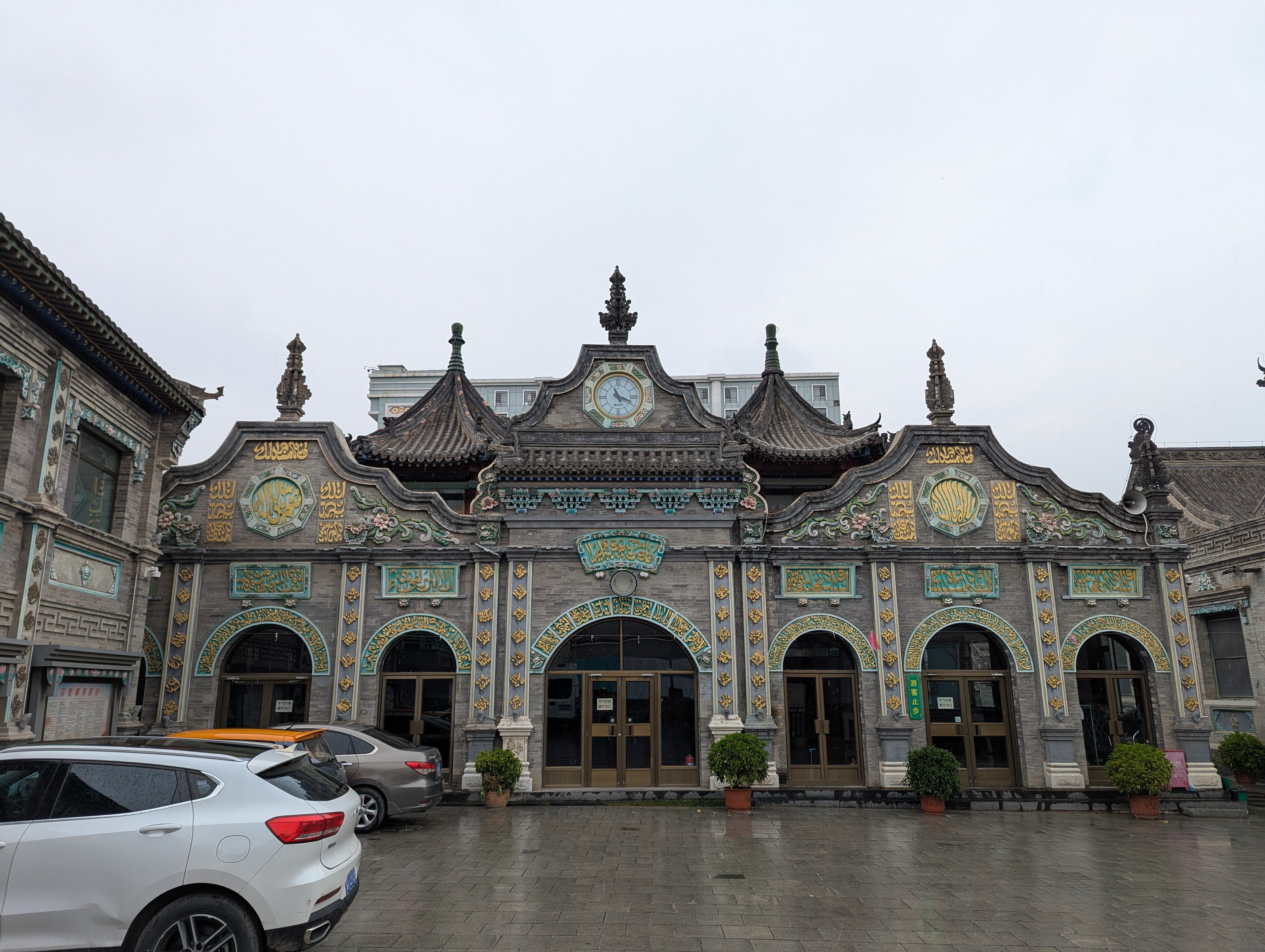
Inner Mongolia is China's second largest administrative division, a long crescent of steppe, desert, and forest sweeping across the country's northern border from Manchuria to Xinjiang. It is the place to come if you want to sleep in a ger, ride a horse across open grassland, and understand something of the nomadic Mongolian culture that for centuries made the rest of the world nervous.
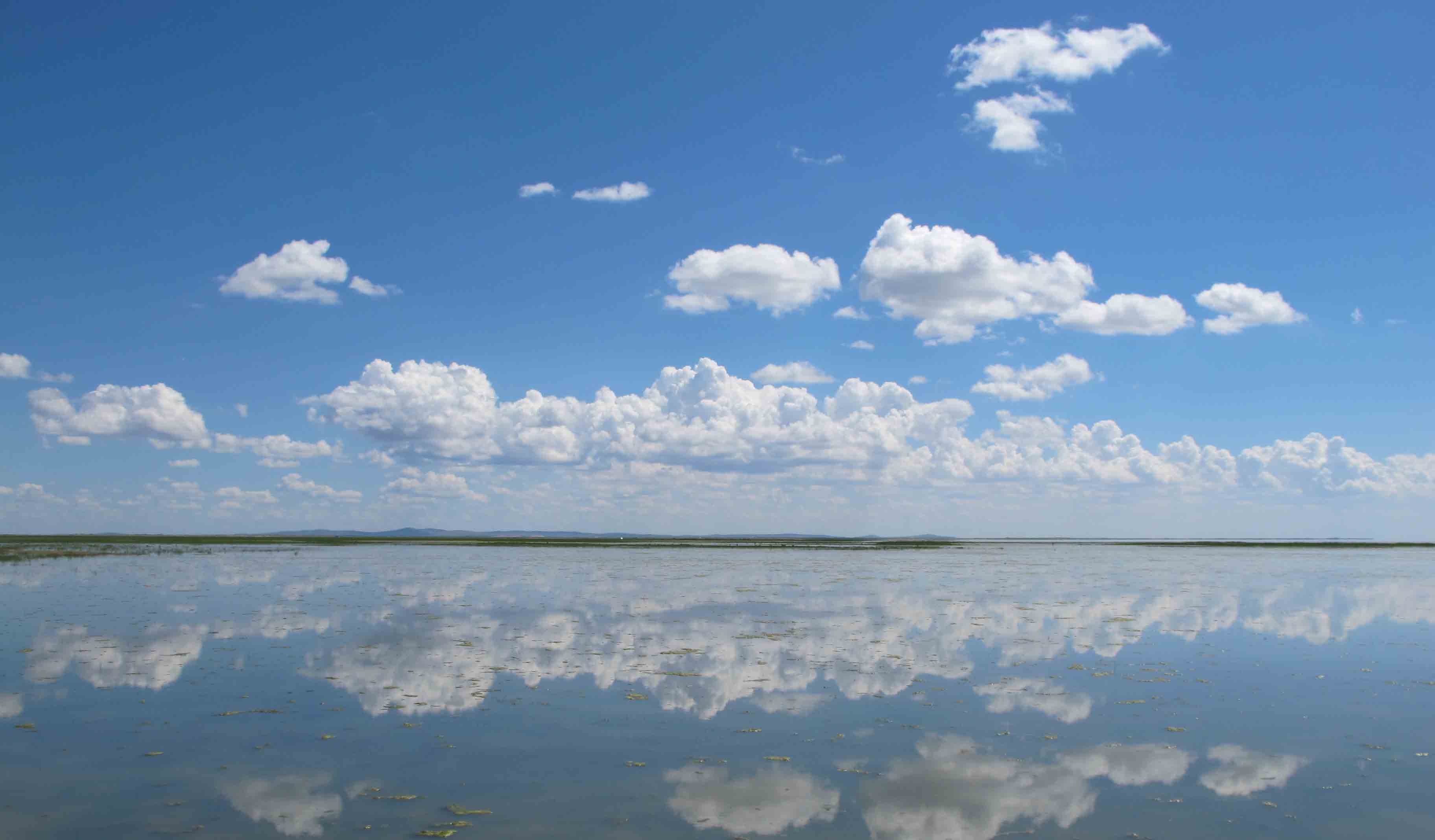
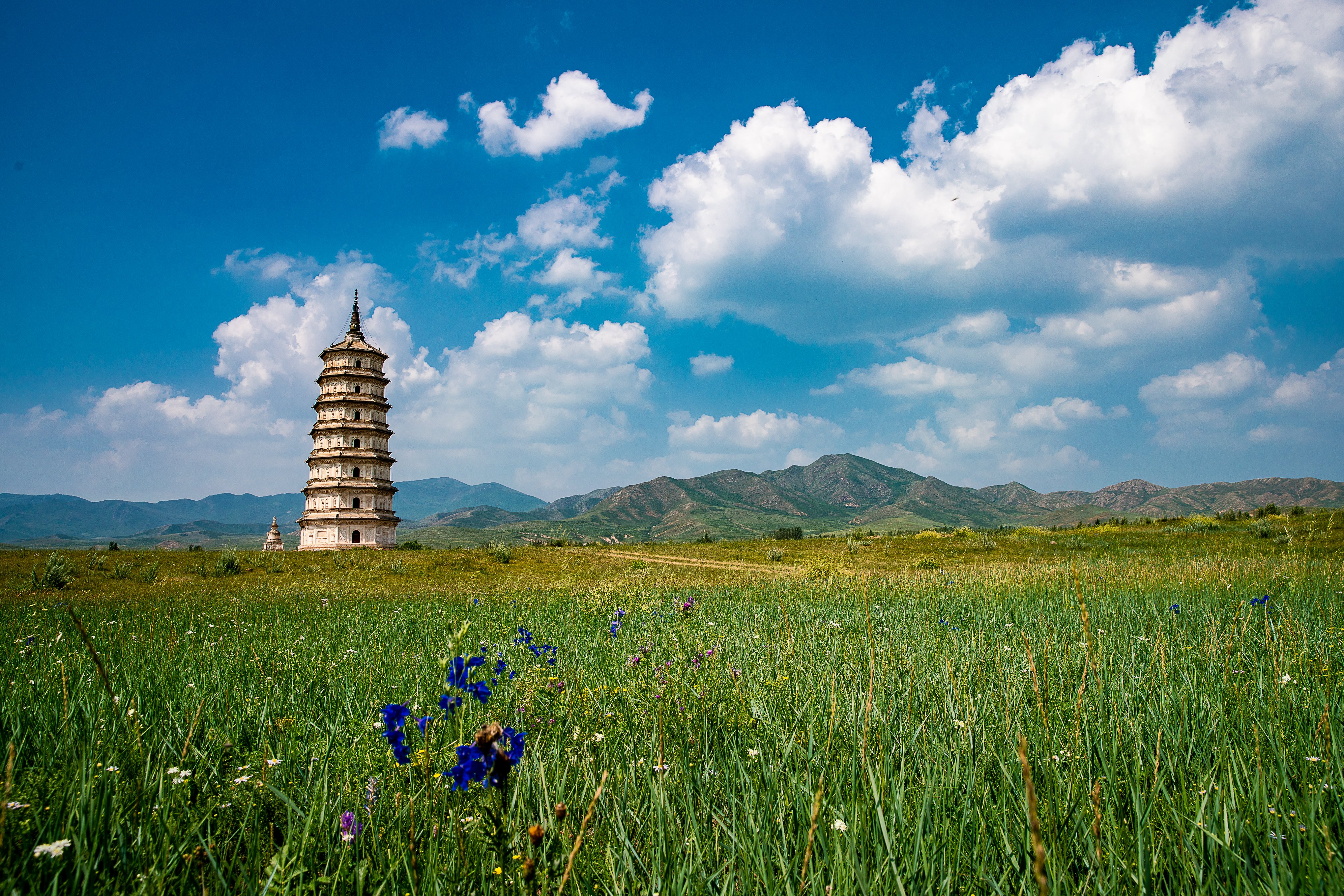
The Mongolian grasslands, especially around Hulunbuir in the northeast, are genuinely stunning — open, rolling, impossibly green in summer, dusted white in winter. The region around Manzhouli, on the Russian border, has an eccentric frontier quality, with Russian signage and matryoshka dolls for sale alongside Mongolian felt goods. The Gobi Desert creeps in from the south and west, and the dunes at Kubuqi are accessible enough for a day trip from Baotou.
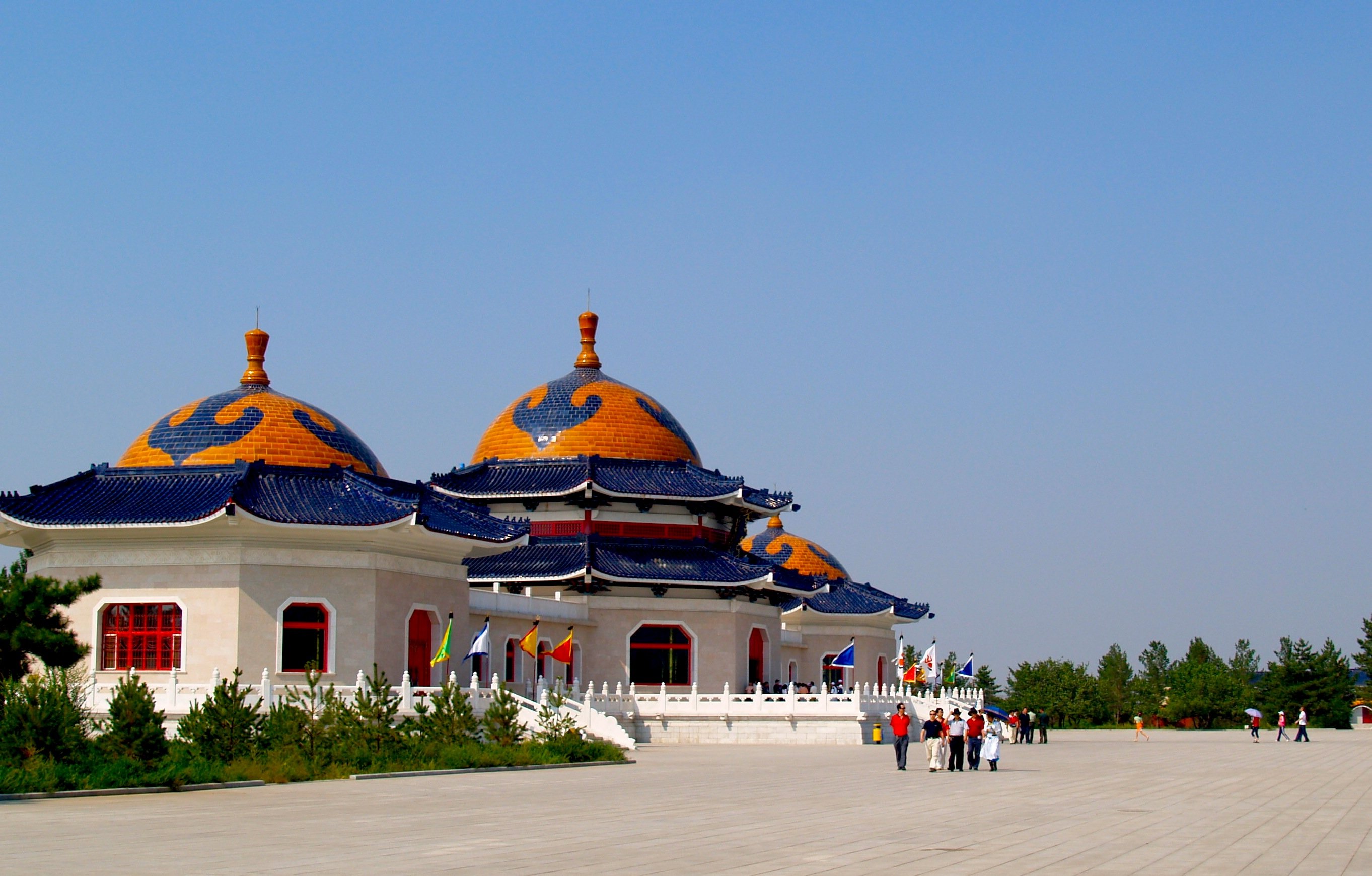
The capital Hohhot (Huhhot) is a working Chinese city with Mongolian character — the Dazhao Temple and Zhaojun Tomb are worth an afternoon, and the Old Town quarter has kept something of its traditional flavour. But the real reason to come to Inner Mongolia is to get out of the cities and into the grasslands.
The best time to visit is summer (June to August), when the grass is high and the Naadam festival brings horse racing, archery, and wrestling. Winter is brutally cold — temperatures drop well below minus 20°C — but the frozen landscapes have their own severe beauty.