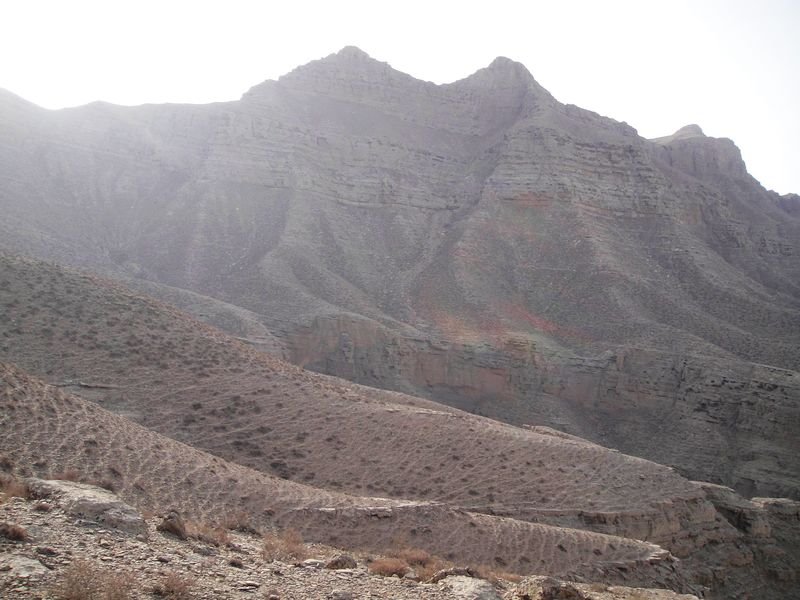
Wuhai sits in the far west of Inner Mongolia, squeezed between the Gobi Desert and the Yellow River in a landscape that looks nothing like the grasslands that define the region's reputation. The city is small by Chinese standards — a quarter of a million people across three districts connected by the Yellow River Road Bridge — and rarely visited by foreign travellers, which is part of its appeal. It is a place where the desert and the river create genuinely unusual scenery, and where wine grapes apparently thrive in the intense solar radiation of the high-altitude desert.
The Yellow River is the spine of Wuhai's geography. Wuhai Lake, a reservoir created by a downstream dam, spreads out to the west of the city and is fringed by desert dunes on one side and riverside forest on the other. Jinsha Bay, on the lake's shore, has been developed with yurts, ethnic performances, and Mongolian cultural activities — it is commercial but not unpleasant, and the backdrop of water meeting sand dunes is photogenic. The Longyou Bay National Wetland Park on the lake's northern end is more interesting ecologically, an important stopover for migratory birds on the Central Asian flyway.
Dream Canyon West, a short drive from the city, shows what wind and time do to purple-red sandstone: the formations are wind-carved into shapes that are at once abstract and recognisable, and the colour of the rock against a clear sky in the late afternoon is remarkable. The rock climbing community has found Wuhai in recent years, drawn by the quality and variety of routes on the canyon walls. The desert wine produced in the city's vineyards — benefiting from intense solar radiation and the mineral-rich Yellow River terraces — is a genuine regional speciality worth seeking out.
Getting to Wuhai means flying (the airport connects to major Chinese cities) or taking the train to Wuhai Railway Station. From Hohhot the train takes about four hours; from Baotou, about two. Wuhai is a practical overnight stop for travellers heading further west into Xinjiang or south into Ningxia, and the wine festival in late summer — the Desert Wine Cultural Tourism Festival — draws visitors from across Inner Mongolia.