Hohhot (Huhhot in older transcriptions, Kökeqota in Mongolian) is the capital of Inner Mongolia and the region's main gateway for travellers. It is a working Chinese city of three million people, but its Mongolian character is not merely ornamental: trilingual metro signs, Buddhist lamaseries in the middle of the commercial district, and a substantial Hui Muslim population make it feel genuinely different from other northern Chinese provincial capitals. The high-speed rail connection from Beijing takes about two and a half hours, which makes Hohhot an easy first stop before heading deeper into the grasslands.
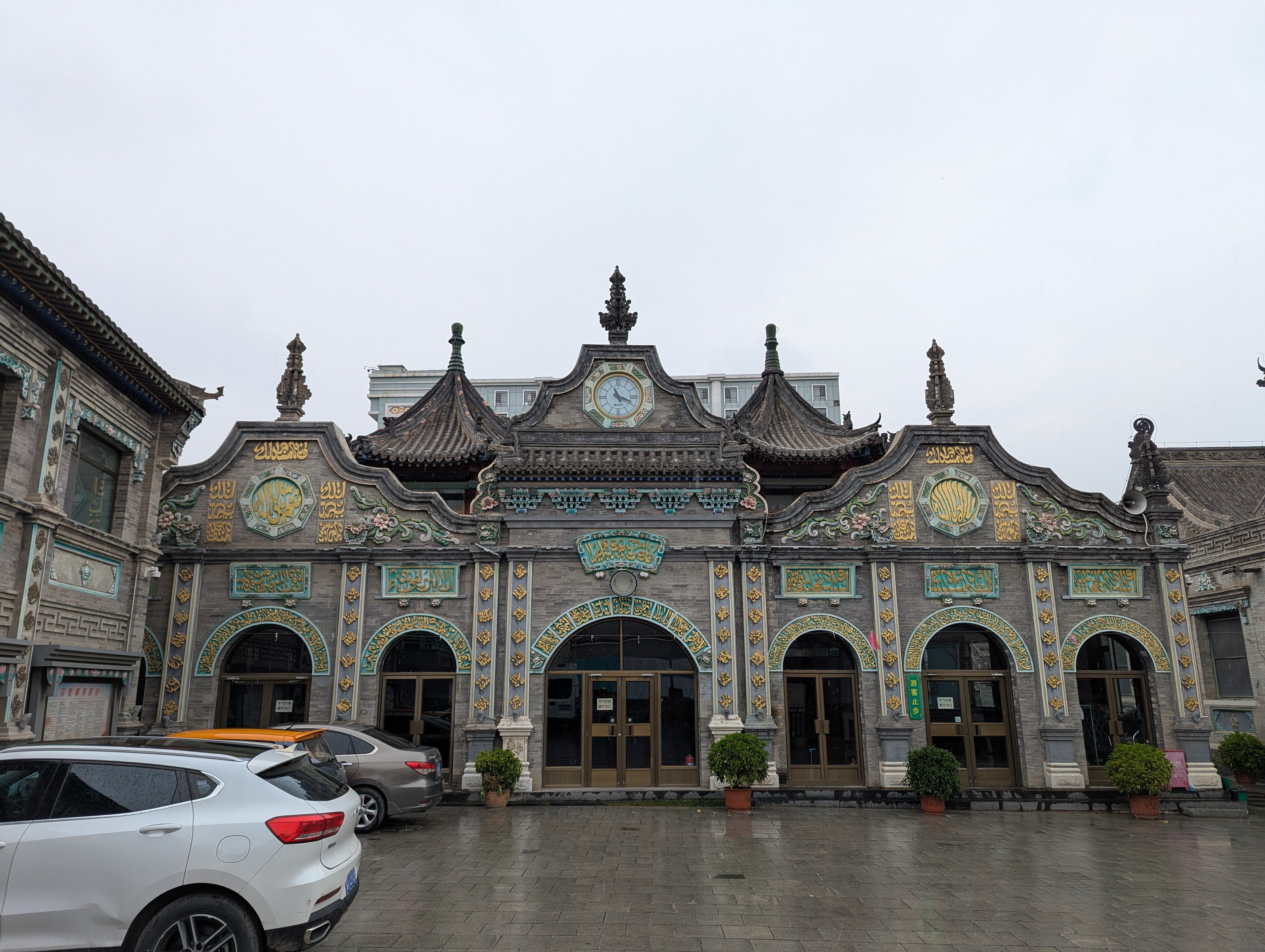
The old town quarter around Dazhao Temple is the best place to start. Dazhao, built in 1579, is the oldest Buddhist monastery in the city and still an active place of worship, its interior thick with incense and gilded statues. A short walk away, the Five Pagoda Temple dates from 1732 and features some of the most intricate carved Buddhist reliefs in northern China, including a remarkable Mongolian-script star map on its base. The Great Mosque, built in 1693 for Hohhot's Hui Muslim community, is worth seeking out even for non-Muslims — a fine piece of Chinese Islamic architecture in a neighbourhood of halal restaurants. The Inner Mongolia Museum, free to enter, is more interesting than it sounds: its natural history and Mongolian cultural collections are substantial, and the dinosaur gallery includes specimens found locally.
The practical reason to spend time in Hohhot is access to grasslands. Xilamuren, about 80 kilometres north, is the most accessible and the most organised for tourism, with yurt camps set up specifically for overnight stays, horse riding, and watching the sun go down over open steppe. Huitengxile and Gegentela are further but less developed, better choices if you want to feel genuinely remote. The grassland experience from Hohhot is not as wild as Hulunbuir in the far northeast, but for travellers on a tighter schedule it delivers the essential experience — a ger, a fire, and an uninterrupted horizon.
Hohhot has a claim to being China's dairy capital, home to the Yili and Mengniu brands that supply much of the country. This is more interesting on the ground than it sounds: street-side stalls sell fresh yogurt in clay pots, and the local Mongolian cuisine — lamb skewers, hand-pulled noodles, milk tea, and air-dried beef — is worth exploring before moving on. The summer months, June to August, are by far the best time to visit; the grasslands need the rain, and Naadam festival timing means you might catch horse racing or wrestling somewhere in the region.