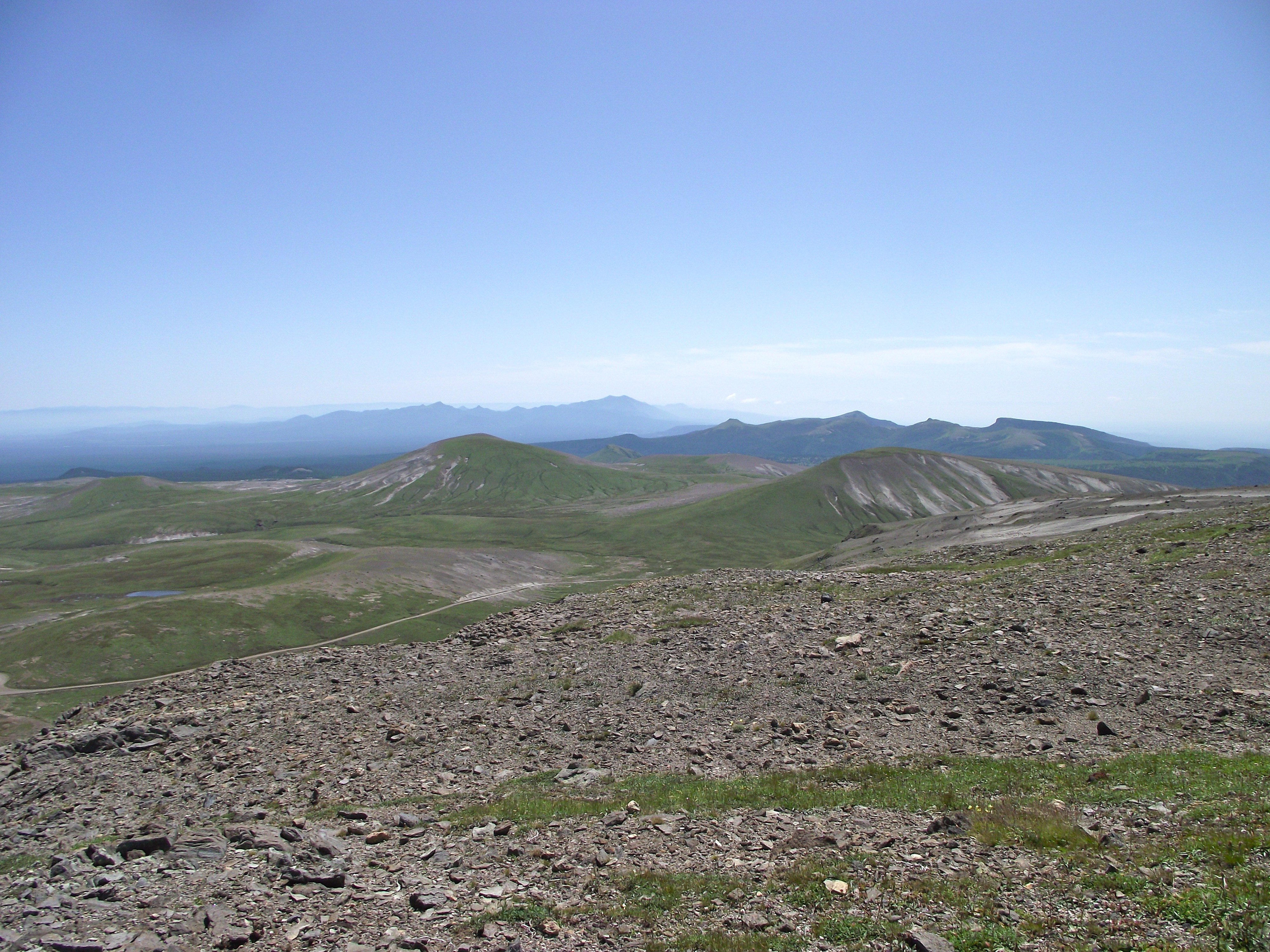
Changbaishan — the Long White Mountain — is the great natural spectacle of northeast China, and the reason many people come to Jilin Province at all. It is an ancient volcano whose eruptions shaped the landscape on a continental scale; the most recent catastrophic event, around 946 CE, was one of the largest eruptions in recorded history and left ash detectable as far away as Japan. What remains now is a nature reserve covering over 200,000 hectares and, at the summit, Tianchi — Heaven Lake — a volcanic crater lake sitting at 2,189 metres. The lake is large, deep, and in good weather a startling blue-green colour ringed by bare rocky peaks; it straddles the border with North Korea, half the water technically in the DPRK. The combination of altitude, remoteness, and the sheer improbability of the thing makes it one of the more memorable landscapes in China.
Access to Tianchi is by the northern slope, where a 4WD vehicle takes visitors from the shuttle bus terminus up the final exposed section to the crater rim. The views depend entirely on weather, and cloud can obscure the lake completely — visiting in late August or early September gives the best odds. Below the summit, the Changbai Waterfall drops 68 metres and is claimed to be the longest volcanic waterfall in the world; the natural hot springs nearby are active enough to boil eggs, and vendors sell corn and eggs cooked in them. The underground forest — a sunken ancient forest preserved in a collapsed lava tube valley — lies about twelve kilometres from the northern gate and is quieter and stranger than the summit areas.
The western slope has a separate entrance about 100 kilometres from the northern one and offers a different experience: the Changbaishan Canyon cuts through dramatic rock formations, and this approach tends to be less crowded, particularly outside peak summer season. The two slopes cannot be visited together easily in a single day. The reserve also contains silver birch and pine forest that shelters populations of Siberian tiger, Amur leopard, and black bear — all of which exist here in very low numbers and will not be seen, though knowing they are present adds something to a walk in the forest.
Getting here requires planning. Most visitors approach via the town of Baihe (also called Erdao Baihezhen), reachable by train from Jilin City or by high-speed rail to Baishan and onward by road. The journey from Changchun takes most of a day. Park entrance fees are substantial — entry, internal transport, and the 4WD to the crater add up to several hundred yuan — and accommodation in Baihe or within the reserve itself ranges from rough to adequate. The reserve is effectively inaccessible from October through May due to snow.