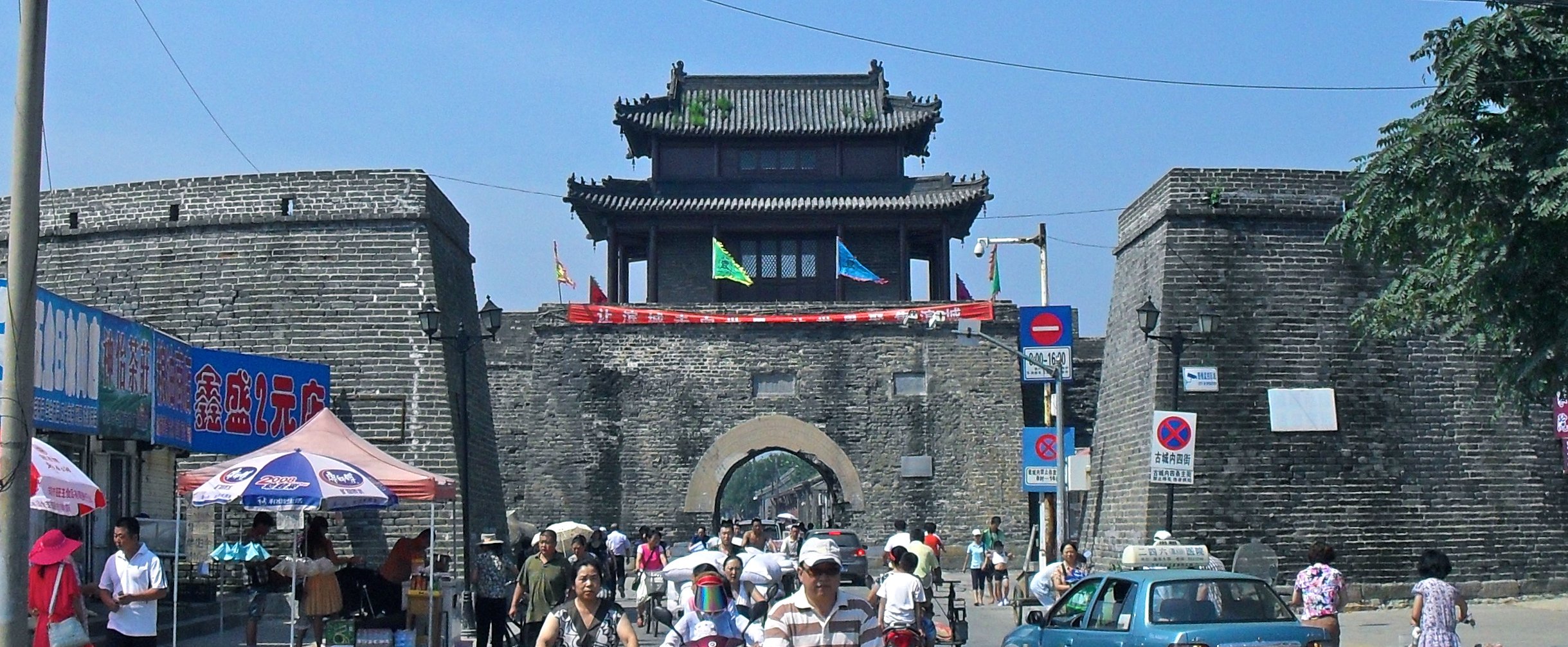
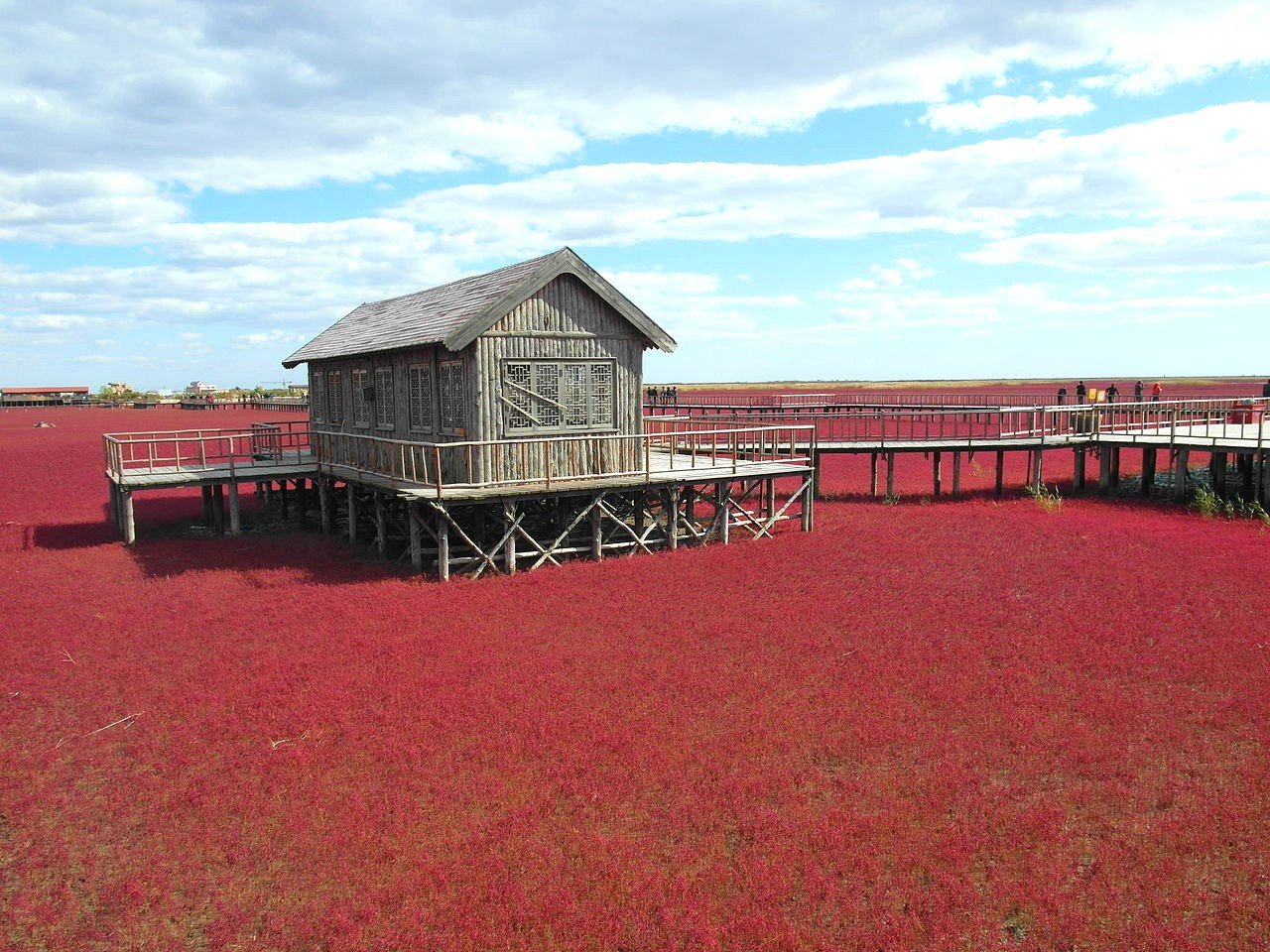
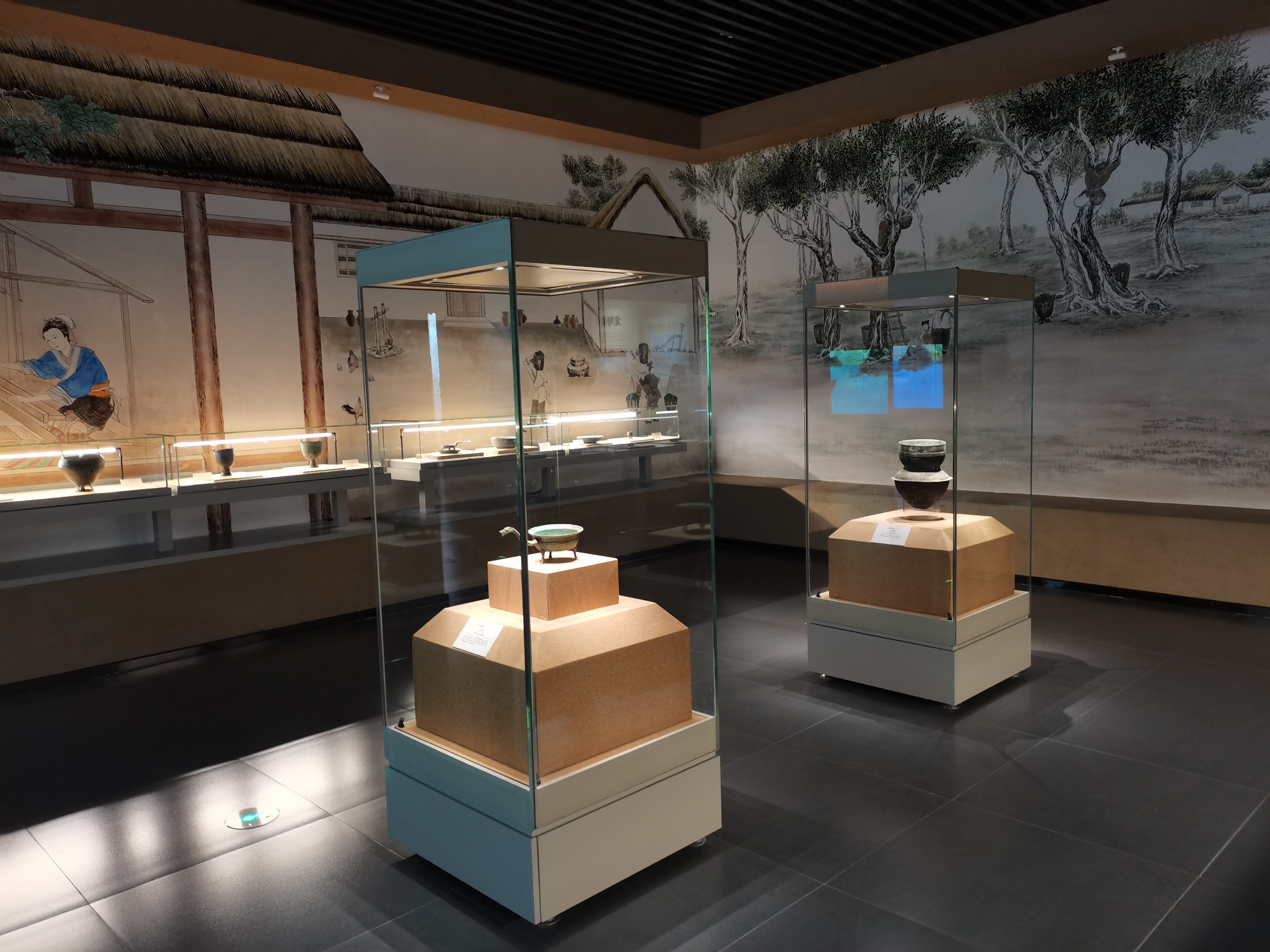
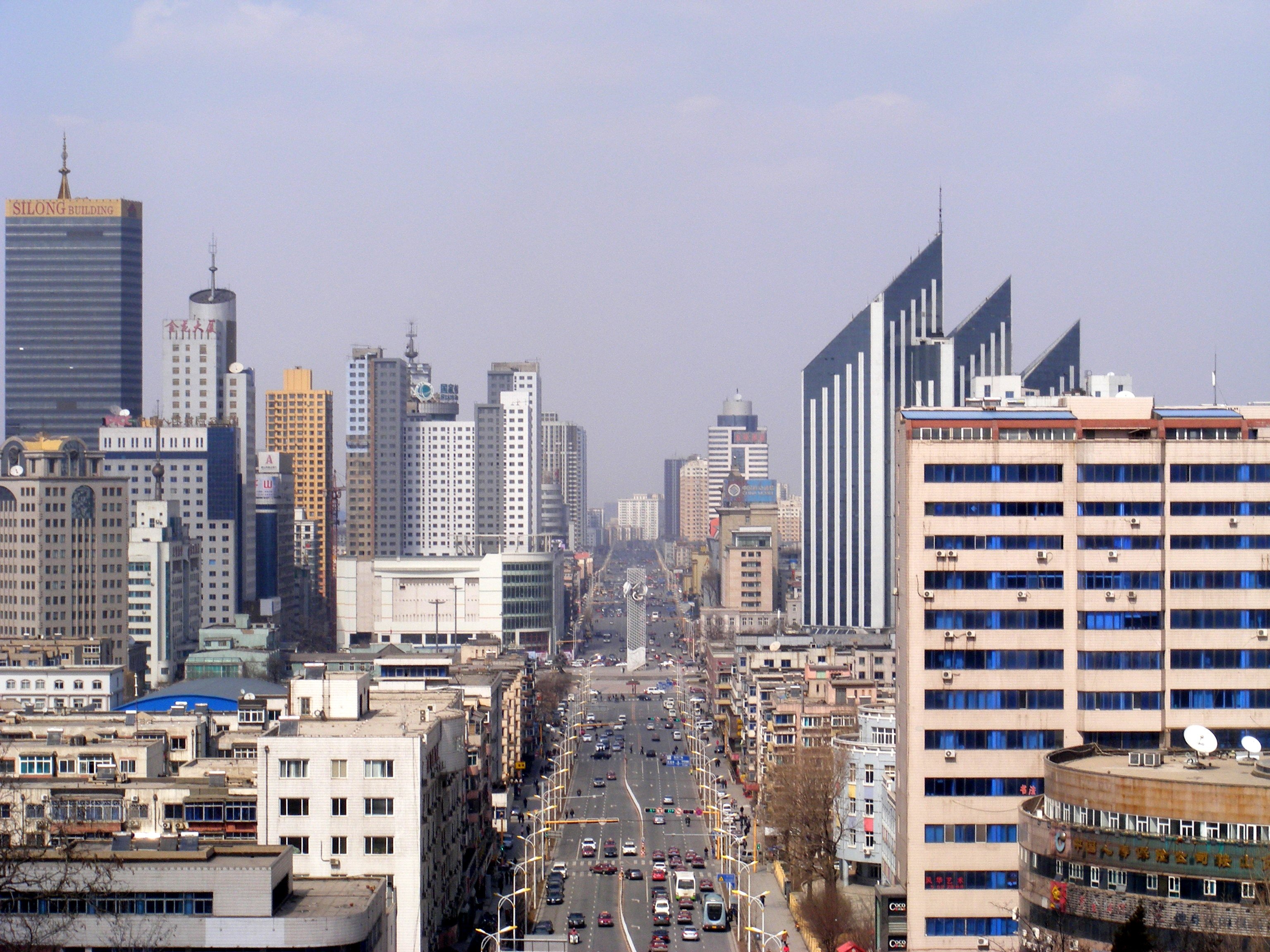
Liaoning is the southernmost of China's three northeastern provinces, the gateway to Manchuria and the heart of what was once the country's industrial powerhouse. The Liao River valley has been settled for millennia — this was the territory of the Jurchen tribes who founded the Qing dynasty — and the traces of that history sit alongside rusting Soviet-era factories in one of China's more complex landscapes.
Shenyang, the capital, is a serious city with a serious history. The Mukden Palace, built in the early seventeenth century before the Manchu court moved to Beijing, is arguably more interesting than the Forbidden City: it is smaller, less crowded, and feels genuinely used rather than museified. The September 18 History Museum documents the 1931 Japanese invasion with a frankness that is striking by Chinese standards.
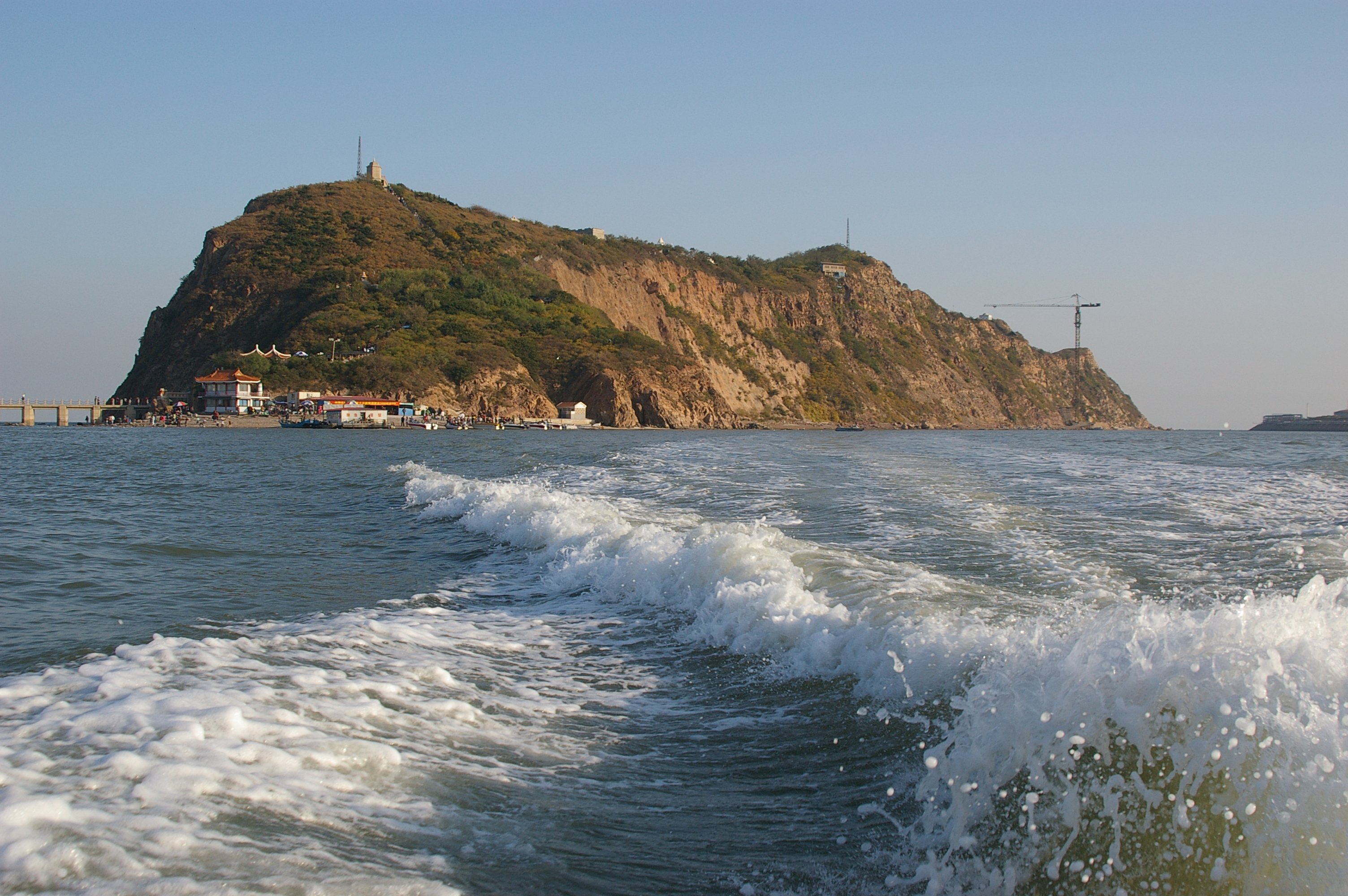
Dalian, at the tip of the Liaodong Peninsula, is something else entirely — a coastal city with European-style boulevards, good seafood, and a beach culture that the rest of the northeast lacks. It was successively Russian and Japanese before becoming Chinese again, and the architectural traces of all three eras are still visible. The seafood markets are reason enough to make the trip.
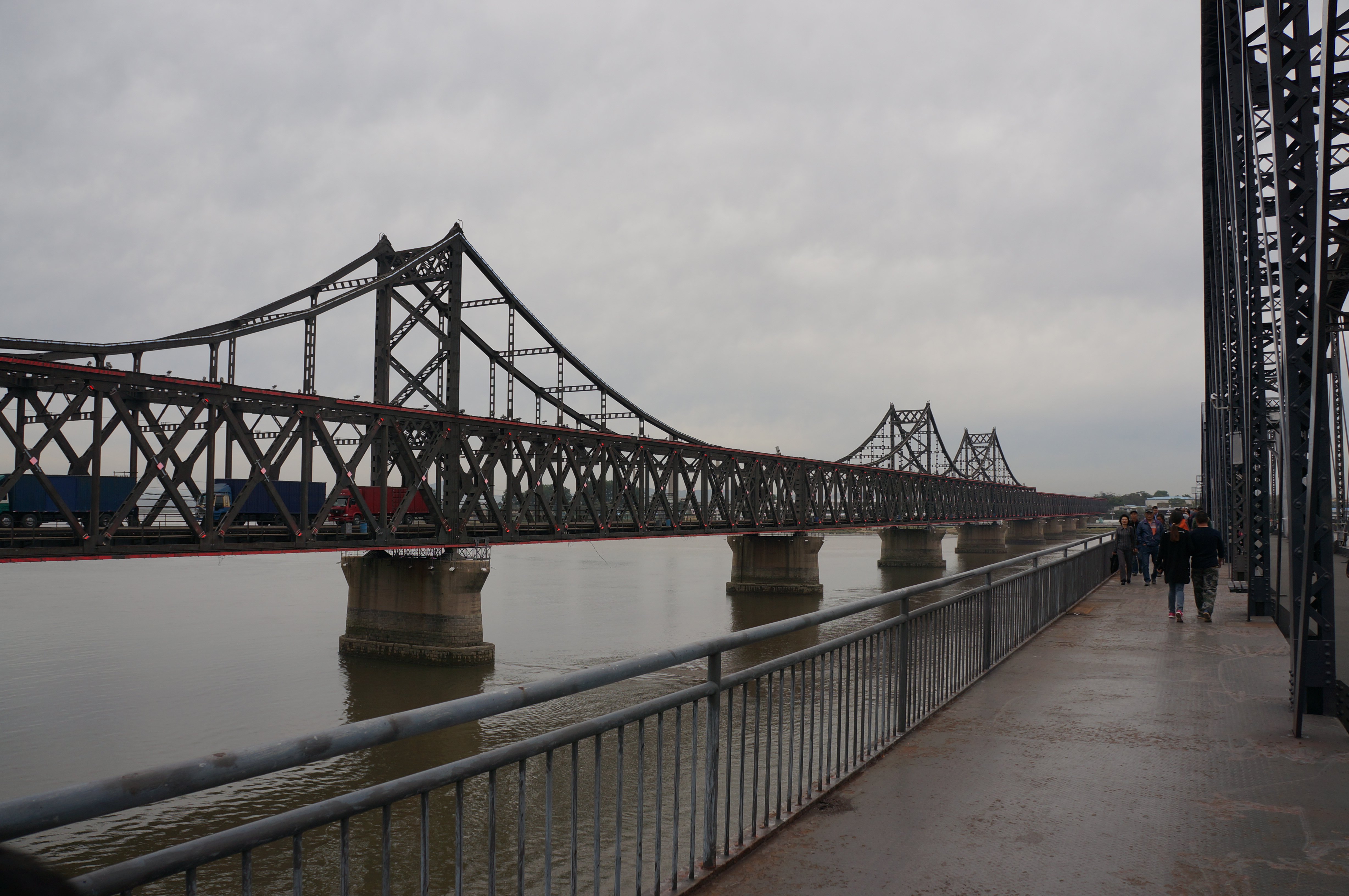
Liaoning is also the departure point for Dandong, on the North Korean border, where you can look across the Yalu River at Sinuiju — one of the stranger vantage points in Asia.