Jinzhou guards the western approach to the northeast — the narrow corridor between the Yan Mountains and the Bohai Sea through which armies, traders, and migrants have passed for two thousand years. The city itself is an unassuming place, but it sits at the intersection of significant threads: Liao Dynasty architecture, Jurassic fossil beds, and the decisive battle of the Chinese Civil War all left their mark here.
The Fengguo Temple in Yixian County, about sixty kilometres south of the city, is one of the finest surviving wooden structures in China. Built in 1020 during the Liao Dynasty and sheltering seven colossal clay statues of the Buddha, the main hall has survived nearly a thousand years of northeast winters largely intact. It is on the list of China's most important ancient buildings and tends to be visited by specialists rather than package tourists, which means you usually have it to yourself. The Guta Pagoda inside the city proper, another Liao construction, is the tallest ancient brick tower in Liaoning.
The Liaoshen Campaign Memorial Hall commemorates the 1948 battle in which the People's Liberation Army encircled and destroyed the Nationalist force in Manchuria — a fifty-two-day operation regarded as the turning point that made the Communist victory in the Civil War inevitable. The museum is serious and well-resourced; admission is free. For paleontology, the Sino-German Paleontological Museum and the Yizhou Fossil Museum both draw on the Jurassic fossil-bearing formations in the Jinzhou hills, with the latter housing around ten thousand specimens.
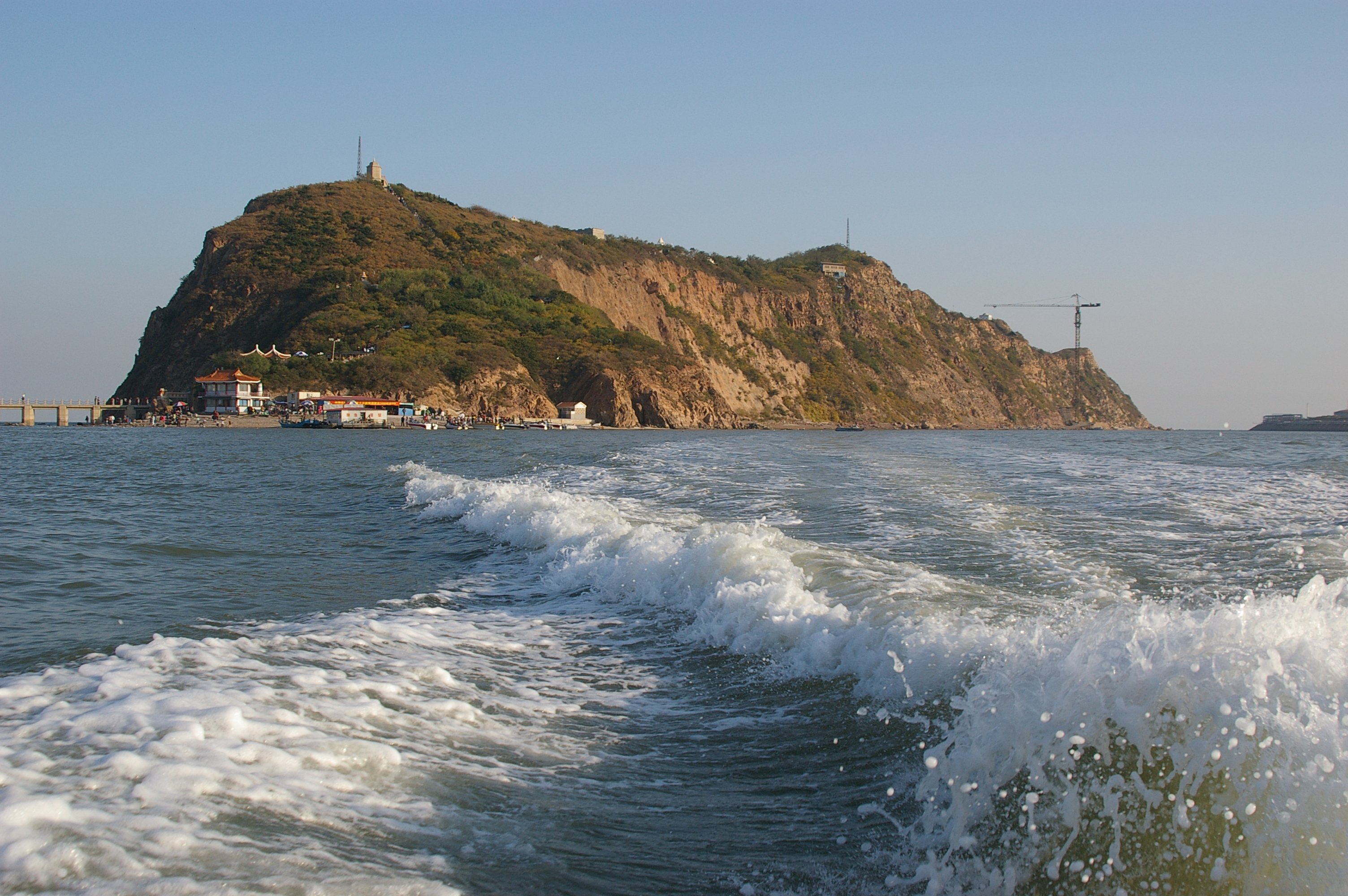
Bijia Mountain, rising from the coast, offers hiking with sea views and has enough distinctive rock formations to justify the climb. Jinzhou is about two hours west of Shenyang by high-speed train and lies on the main Beijing–Shenyang rail corridor.