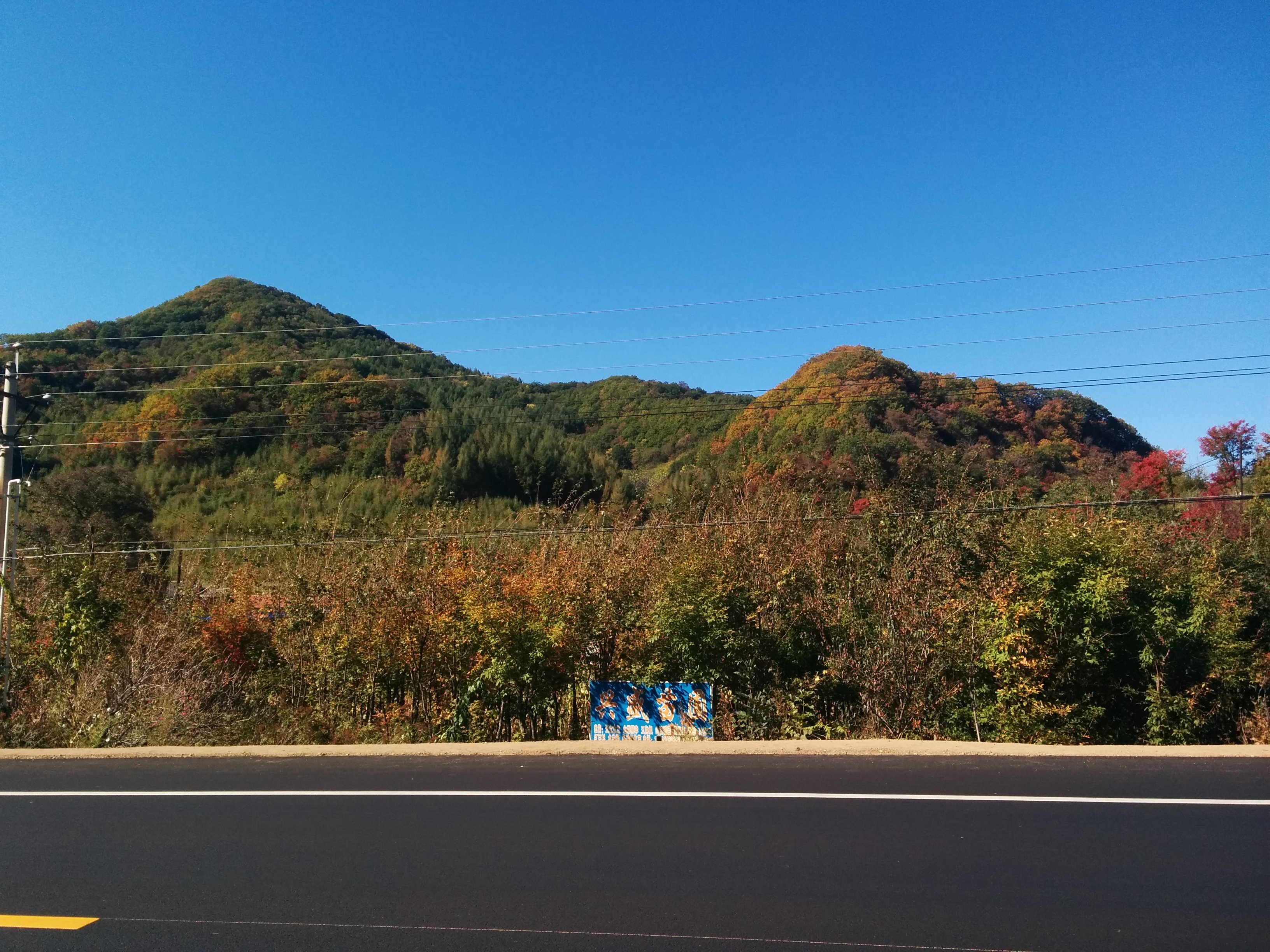
Benxi spent much of the twentieth century as one of northern China's most polluted cities, its air thick with emissions from iron and steel works that burned around the clock. The industry has largely wound down, and the city that emerged from the cleanup is a pleasant, unhurried place surrounded by forested mountains — a transformation dramatic enough that Benxi now markets itself as an eco-tourism destination, which would have been unimaginable thirty years ago.
The Benxi Water Caves are the headline attraction. An underground river system carved through limestone has produced a cave of considerable scale, navigated partly on foot and partly by flat-bottomed boat along crystal-clear water. Stalactites and cave formations line the passages, and the boat section — moving through chambers large enough to lose the ceiling in — is genuinely impressive. Guanmen Mountain nearby offers hiking through rolling forested hills, and Wunu Mountain to the east is the original capital of the Goguryeo kingdom — a UNESCO World Heritage Site with archaeological remains still visible on its slopes.
The mountains around Benxi produce a particular kind of autumn scenery — maple forests turning red and orange against granite ridgelines — that draws photographers from across the northeast each October. Jiuding Tiecha Mountain is the most visited peak for foliage, and Pingding Mountain has more solitude. The city itself is quiet enough to serve as a base for several days of mountain exploration without the crowds that Qianshan near Anshan attracts. A darker note of history is the Benxihu Colliery in the northern district, site of the deadliest coal mining disaster in history during the Japanese occupation in 1942.
Benxi is about an hour from Shenyang by train and is easily visited as an overnight trip; the combination of the Water Caves and a mountain day makes two nights worthwhile in autumn.