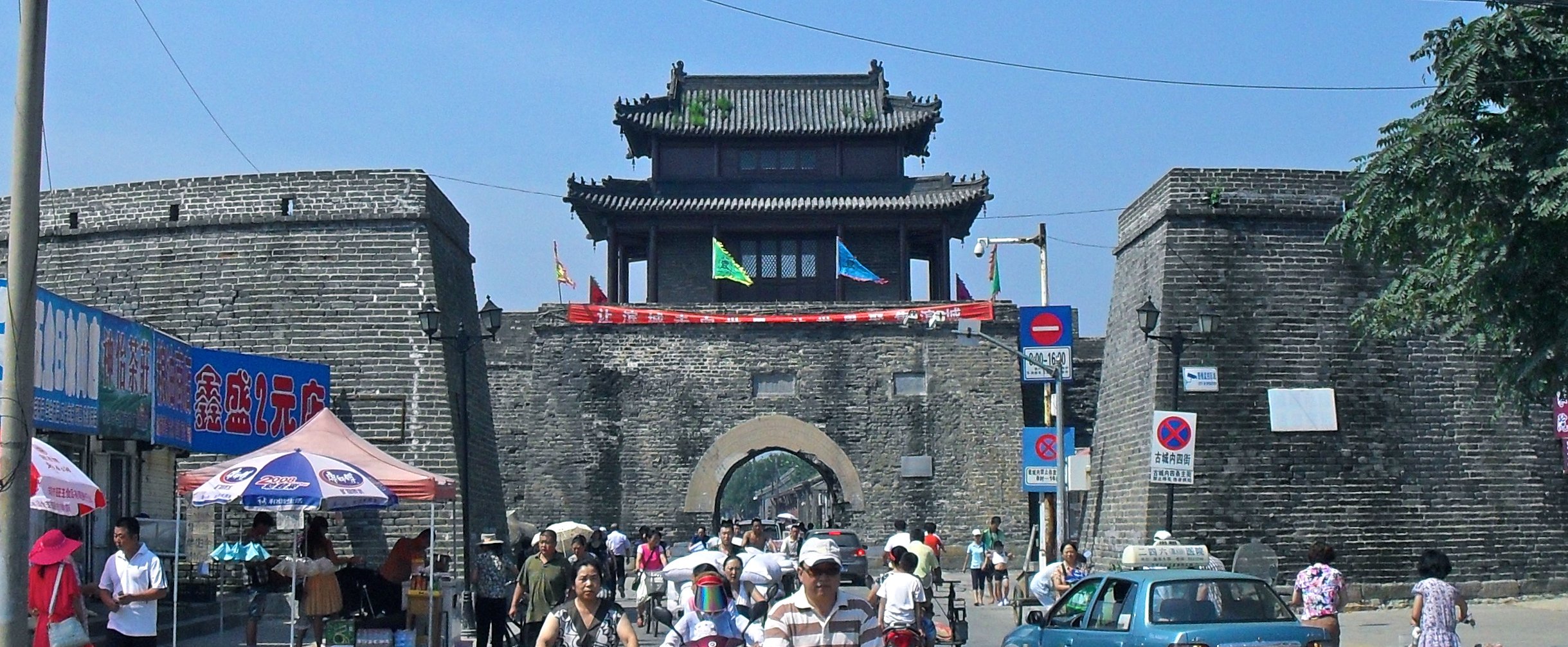
Xingcheng is a small city on the Bohai Sea coast that has the rare distinction of possessing one of the best-preserved Ming Dynasty walled cities in China. The ancient city, completed in 1428, is a genuine grid of grey-brick streets within intact walls, its four gates still standing, its Confucian temple and drum tower still in place. Unlike many "ancient cities" across China, Xingcheng Old Town has not been theme-parked into irrelevance — people still live there and the lanes between the preserved monuments are ordinary residential streets.
The walls are the thing to walk. Entry into the Old Town is free; you pay separately for the city wall circuit and for the temple buildings inside. In 1626, Ming General Yuan Chonghuan defended these walls against a much larger Jurchen force, deploying Portuguese-made cannons to repel what would have been a catastrophic defeat; the battle is commemorated inside the city and gives the place a specific historical weight that a lot of more famous Ming sites lack.
Off the coast, Juhua Island is accessible by a forty-minute ferry from Xingcheng Port and carries Buddhist monuments from the Liao and Ming dynasties alongside beaches that get crowded with domestic tourists in summer but are reliably peaceful in the shoulder season. Shou Mountain behind the city has hiking trails and a Ming beacon tower, and the hot springs — which have been in use since the Tang Dynasty — provide a reason to stay an extra day. The beach that stretches south of the city hosts a summer sea festival in July that draws visitors from across the northeast.
Xingcheng is administered as part of Huludao prefecture and is well connected by rail to both Shenyang and Beijing. It makes a natural stop if you are travelling the coast between Dalian and the Great Wall at Shanhaiguan.