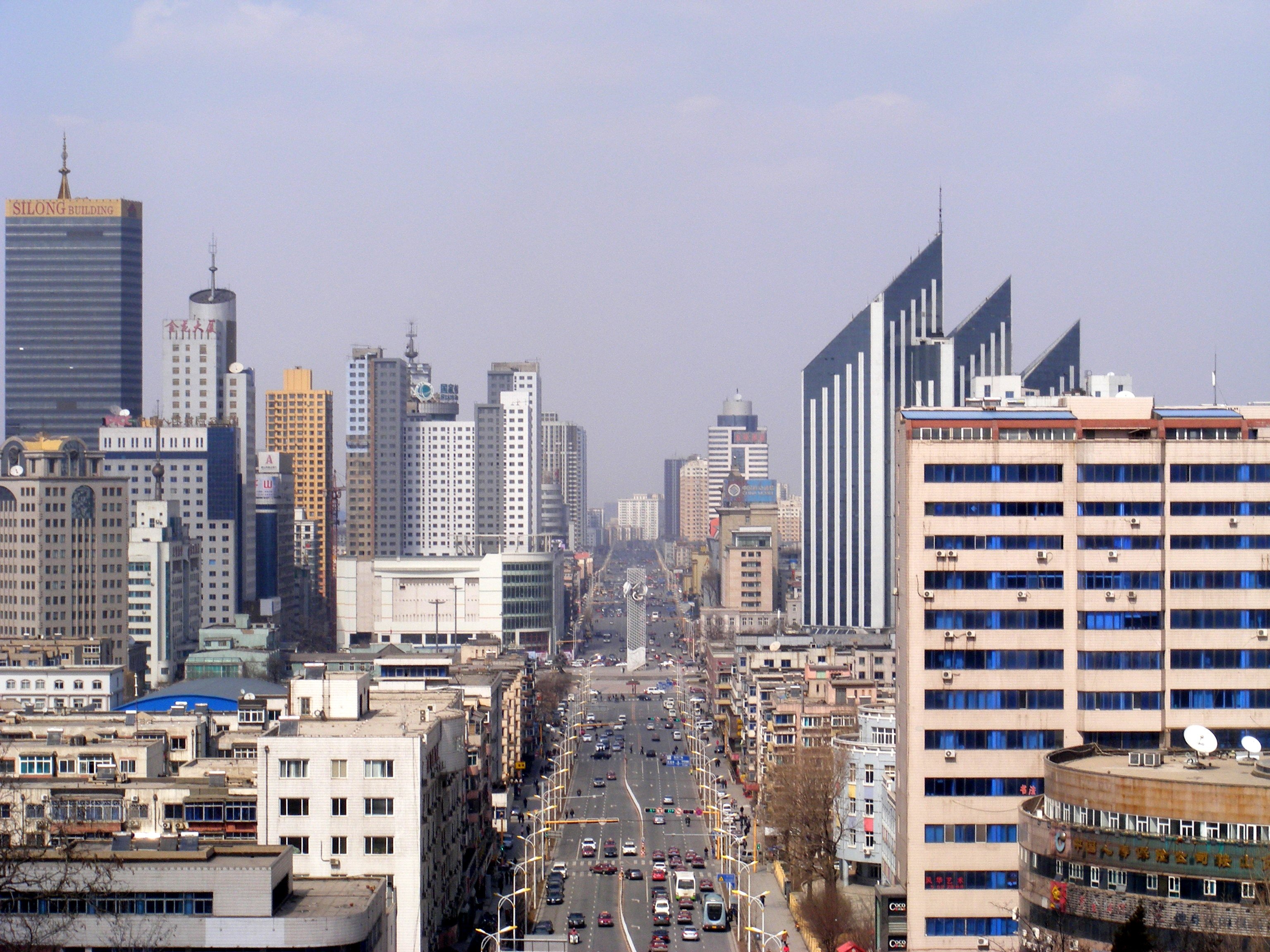
Anshan is Liaoning's steel city — the Angang Iron and Steel Company has operated here since the 1910s and at its peak made Anshan one of the most productive industrial centres in Asia. The city itself is functional rather than beautiful, its skyline defined by blast furnaces and cooling towers rather than historic architecture. But Anshan sits at the edge of the eastern mountains, and the countryside around it is genuinely spectacular.
Qianshan National Park, the Thousand Mountains, is the reason to come. The park's jagged quartzite peaks, thickly forested ridges, and scattered Buddhist and Taoist temples make for some of the best hiking in the northeast. A cable car gets you up to the high areas quickly, but the real pleasure is following the paths between the temples on foot — Wuliang Temple and Xiantai Temple are among the better-preserved on the mountain — with the rock pinnacles rising above the treeline on all sides. The park gets busy on weekends and during golden week; a weekday visit in autumn, when the foliage turns, is the right call.
In the city, the Jade Buddha Palace in 219 Park houses a statue that credibly claims to be the world's largest carved jade Buddha — nearly eight metres high and weighing over two hundred and sixty tonnes. It's a genuinely extraordinary object regardless of what you think of the superlative. Tangangzi Hot Spring Spa, dating to the Tang Dynasty, is the other urban attraction worth your time: the mineral springs have been drawing visitors for over a thousand years and the mud baths are a regional specialty.
Anshan is about ninety kilometres south of Shenyang on the high-speed line and makes a logical day trip from the capital, though a night here lets you catch Qianshan at a civilised hour before the day-trippers arrive.