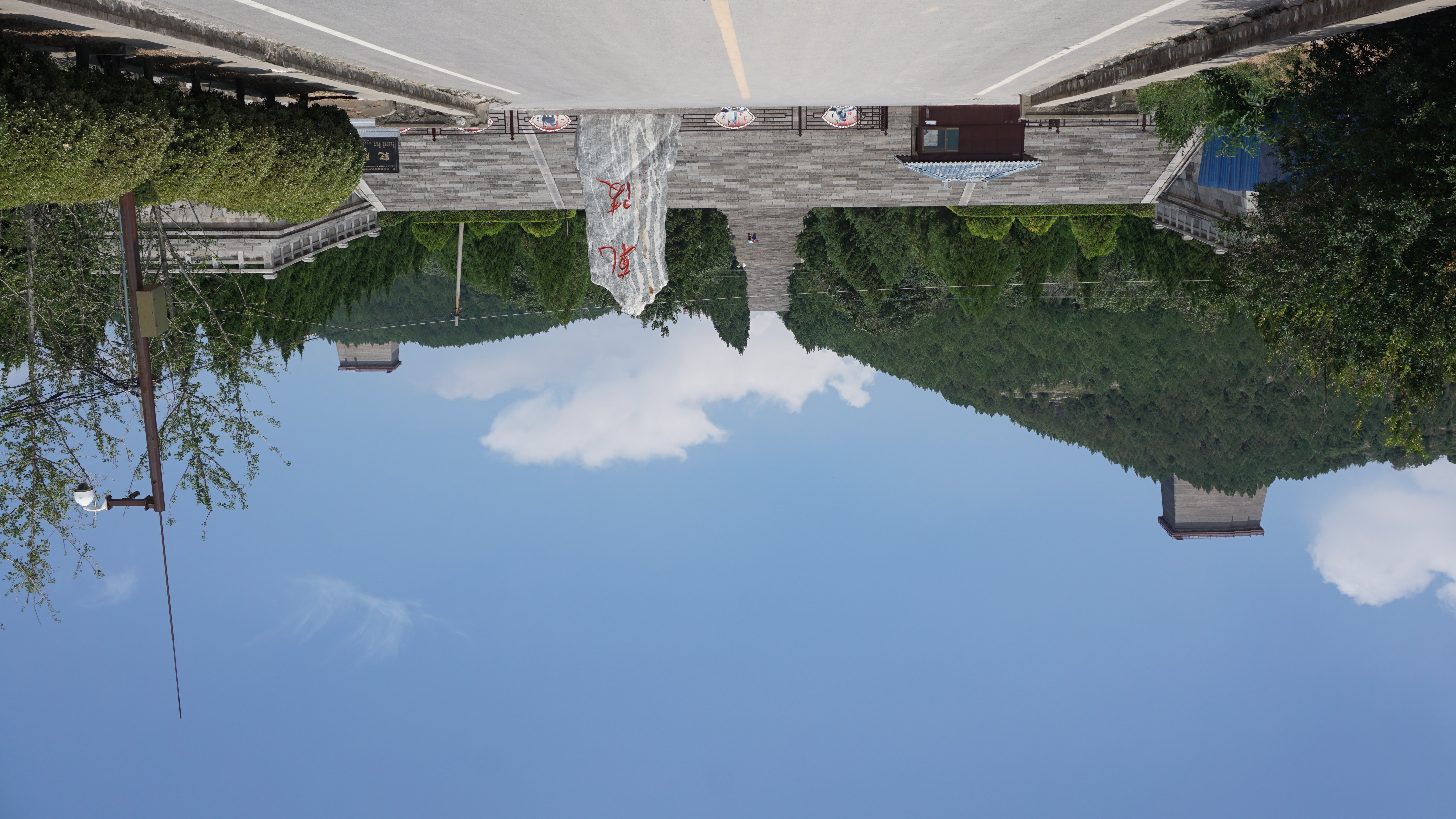
Xianyang was the capital of the Qin Empire — the city from which the First Emperor unified China in 221 BC and from which he ruled until his death in 210 BC. Almost nothing of that capital remains above ground; the city was burned by the incoming Han armies in 206 BC, and subsequent rebuilding buried the Qin layer deep. But the district around modern Xianyang, now effectively merged into the greater Xi'an metropolitan area, contains one of the densest concentrations of imperial tombs in the world: Han Dynasty mausoleums for nine emperors are scattered across the plateau north of the city.
The most accessible and spectacular of these is the Yangling Mausoleum of the Han Emperor Jingdi at Yangling, where archaeologists have excavated a series of underground pits containing around 50,000 miniature terracotta figures — soldiers, servants, livestock, domestic animals — arranged in the burial precinct around the sealed imperial mound. The museum is built over the excavation pits and has a glass floor through which you can look directly down into them. It is less dramatic in scale than the Terracotta Army but in some ways more personal: the figures are small, detailed, and unpainted, and the sheer variety of them is charming.
The Maoling Mausoleum, burial place of the Han Emperor Wu — the ruler who opened the Silk Road — is the largest of the Han imperial tombs, a mound ninety metres high that has never been excavated. Its associated stone carvings museum holds six large animal sculptures from the tomb of Huo Qubing, the general who drove the Xiongnu from the Hexi Corridor.
Xianyang is connected to Xi'an by metro (Line 1 and 14 extend across the boundary) and shares Xi'an's Xianyang International Airport, which is actually located within Xianyang city rather than Xi'an.