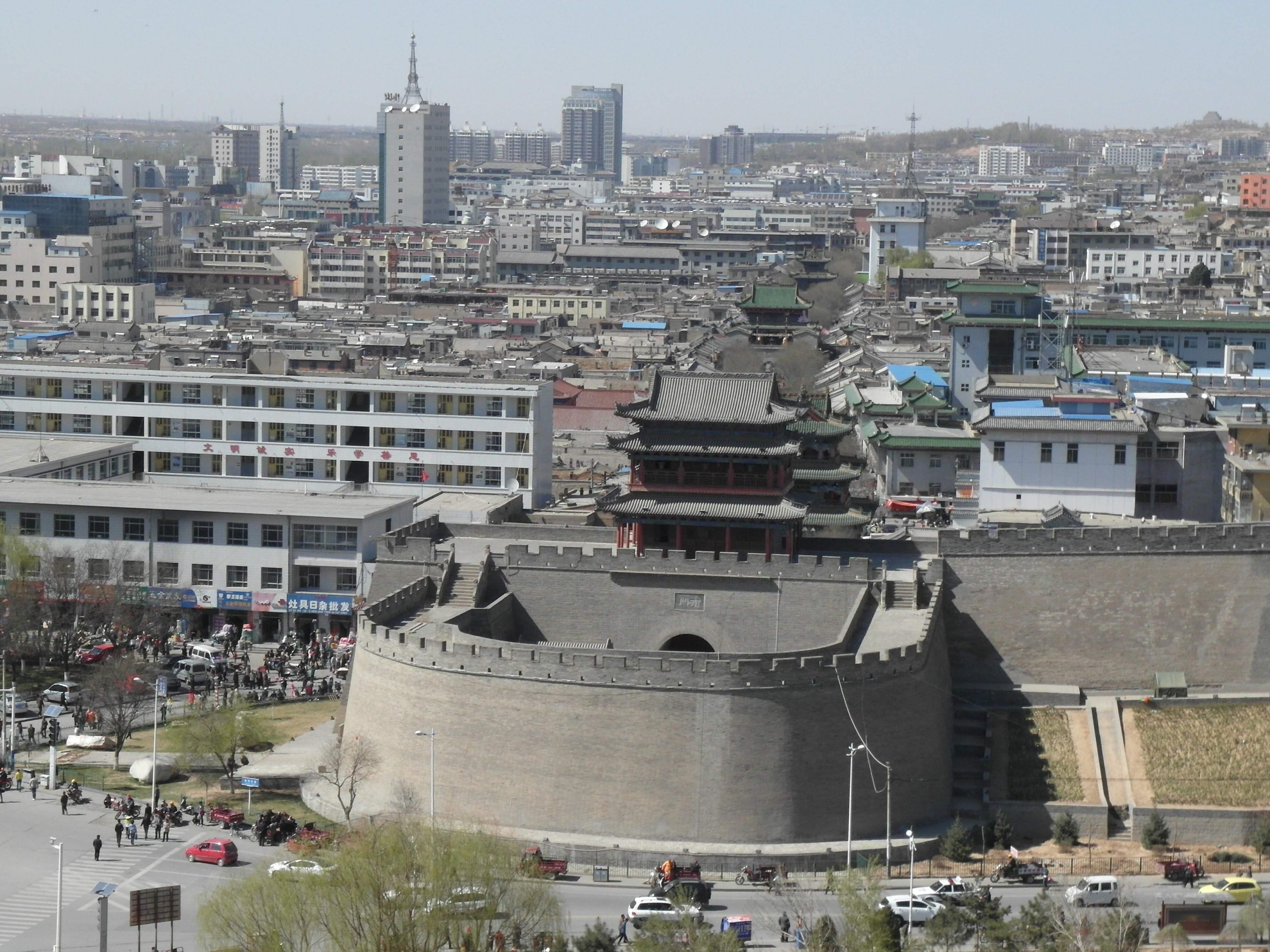
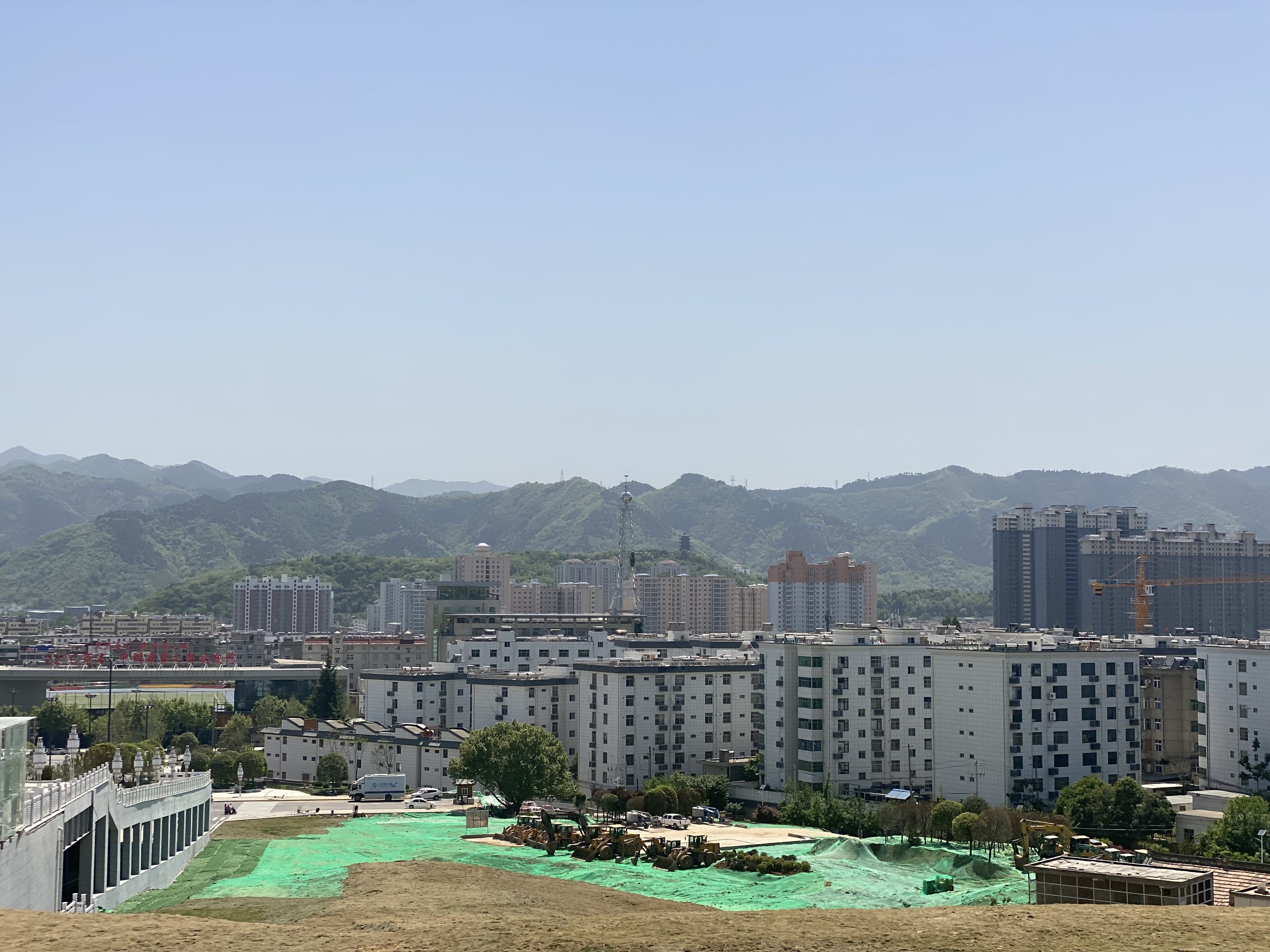
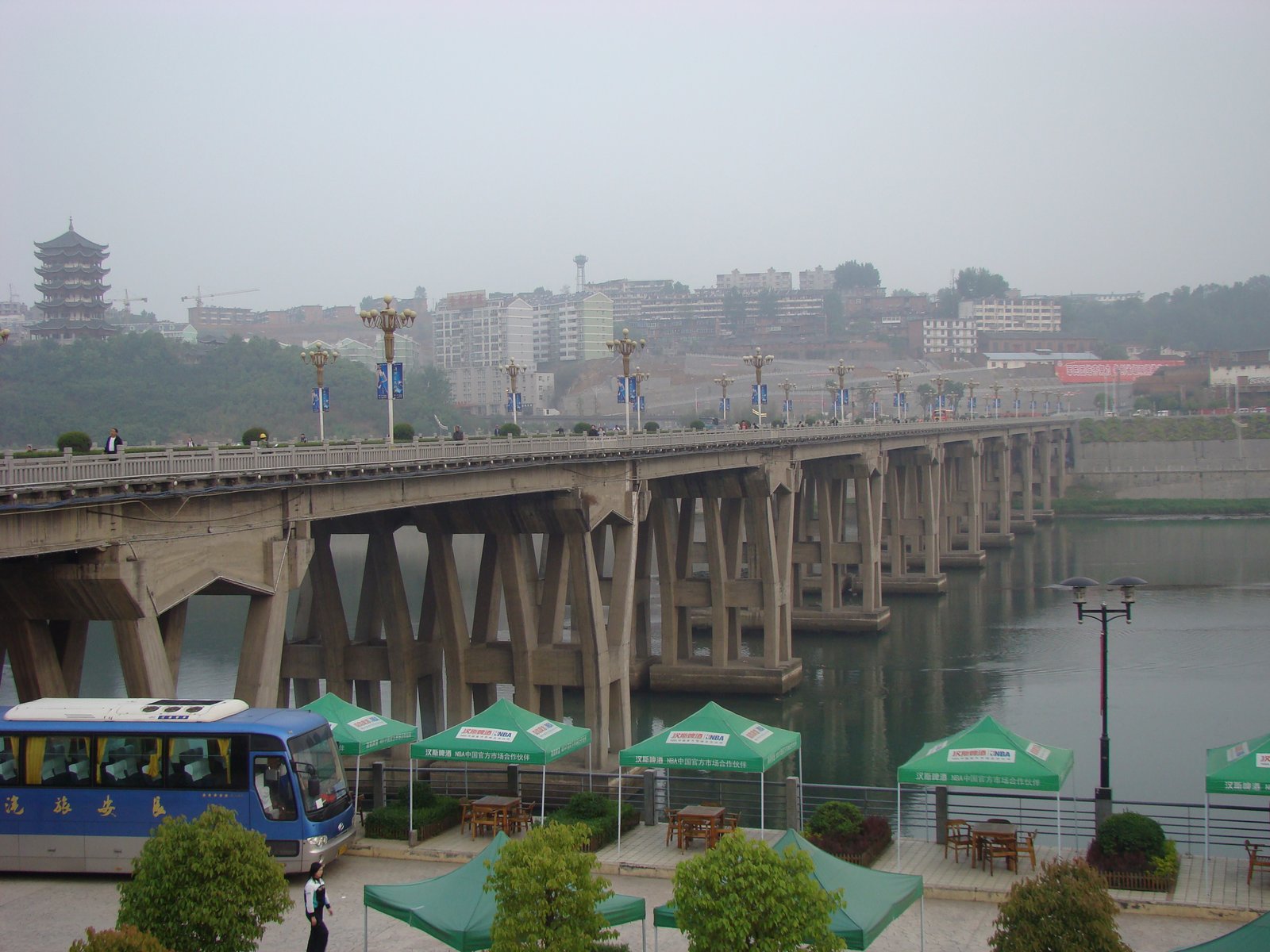
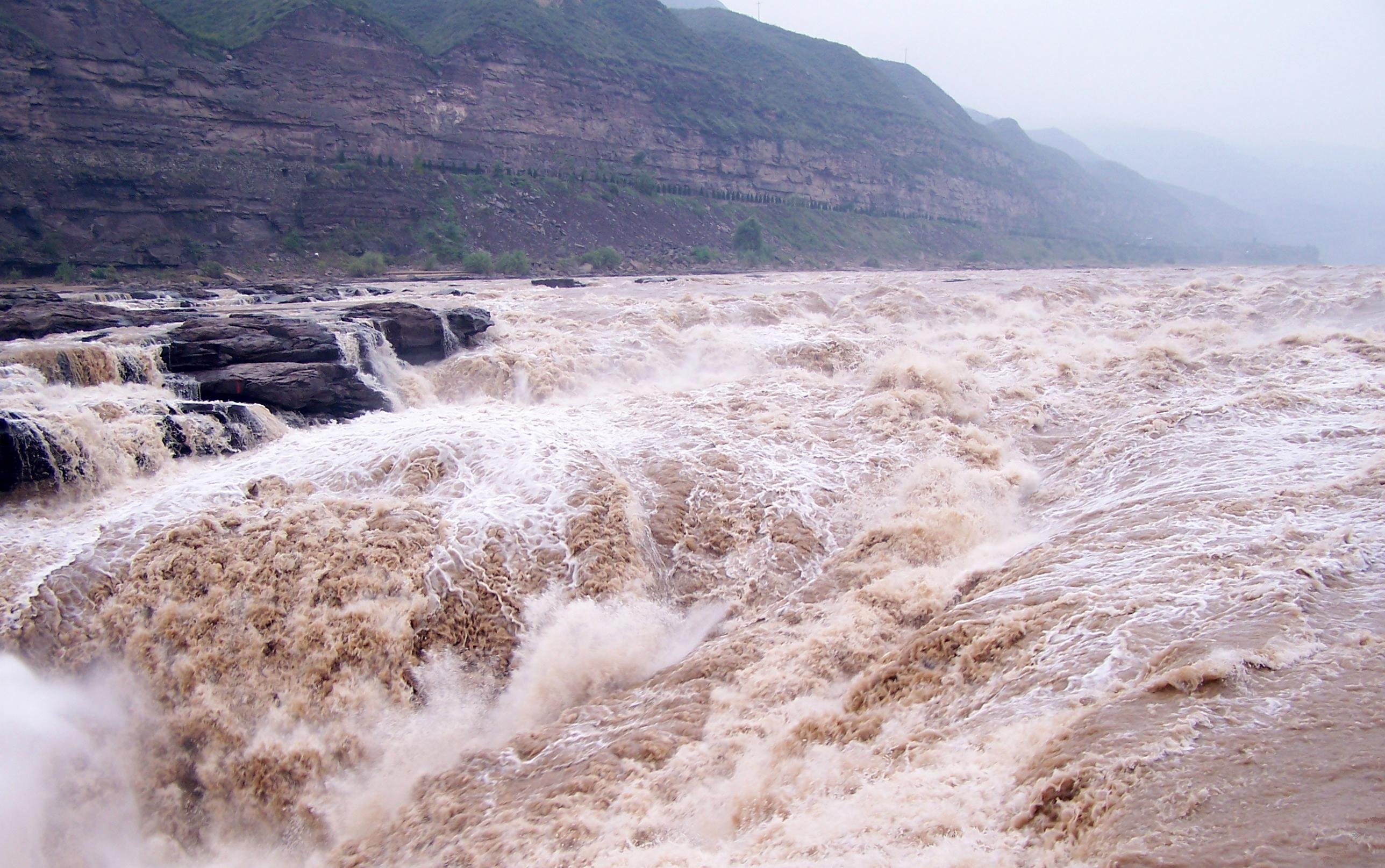
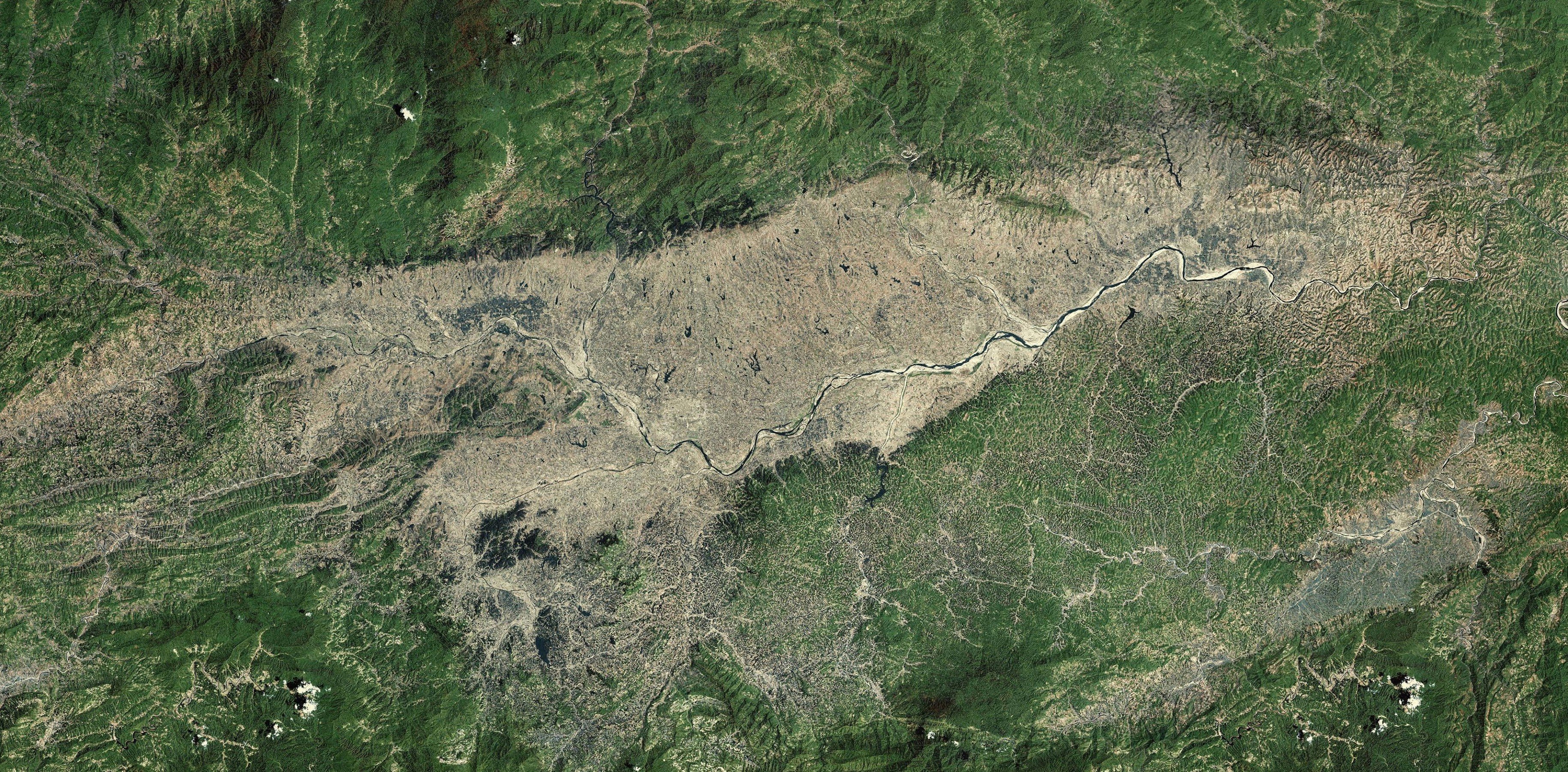
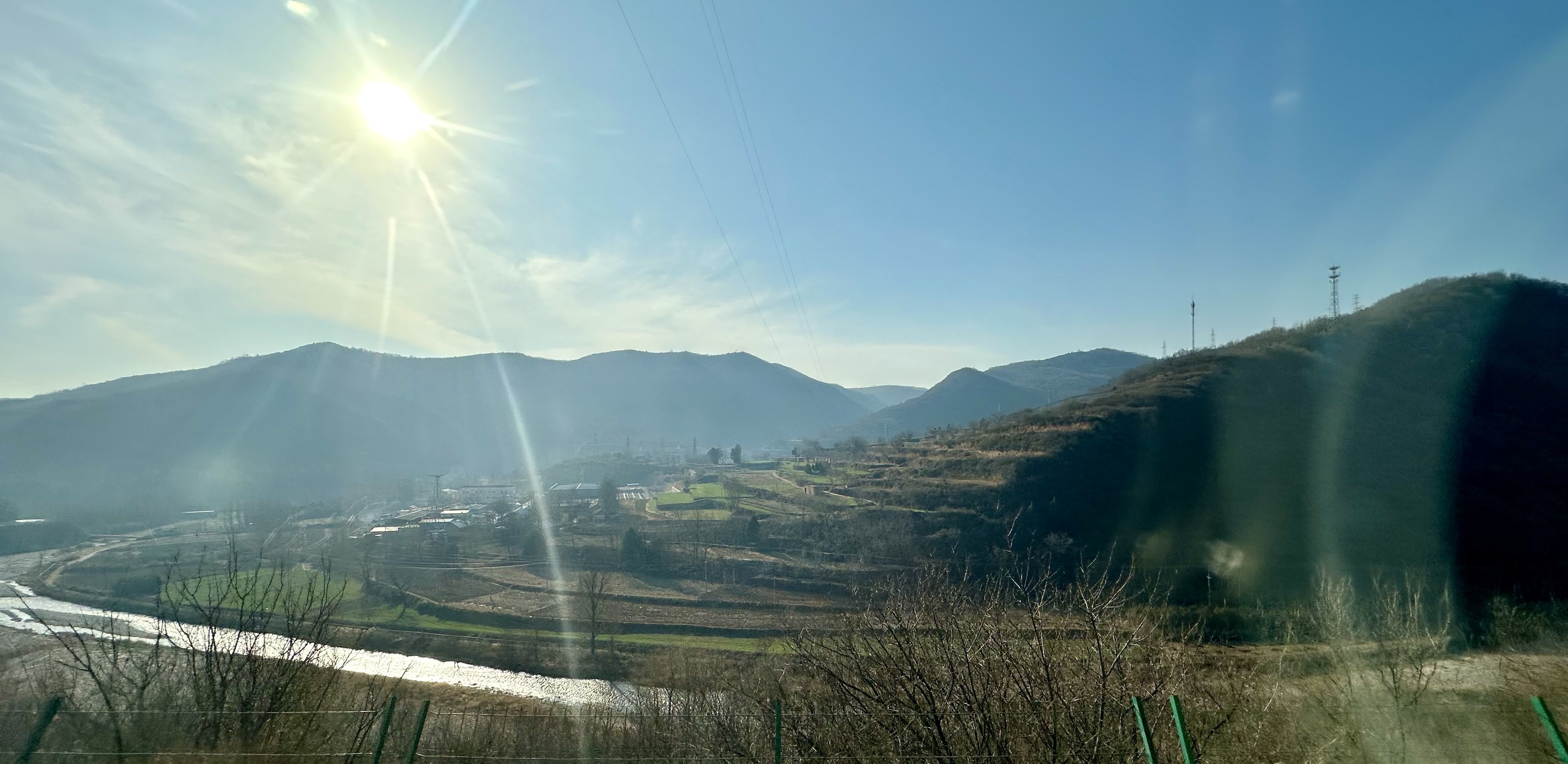
Shaanxi (not to be confused with neighbouring Shanxi to the northeast) was the cradle of Chinese civilisation. Thirteen imperial dynasties made the Wei River valley their capital — the Zhou, the Qin, the Han, the Tang, among them — and the province is saturated with their remains. Xi'an, the provincial capital, is one of the most historically dense cities in Asia, and the Terracotta Army buried outside it is one of those things that genuinely exceeds expectation.
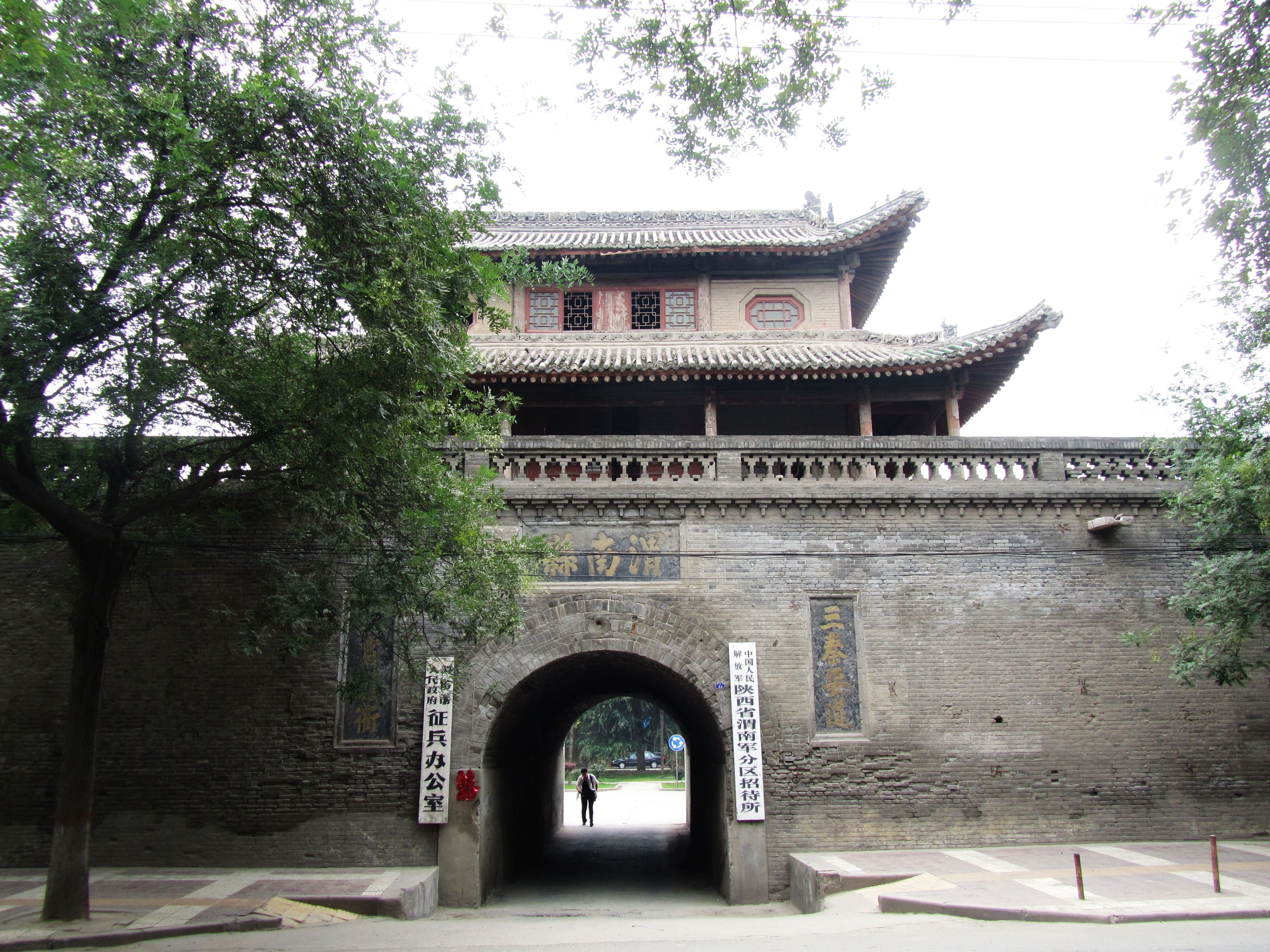
Xi'an stands at the eastern end of the Silk Road. For over a thousand years it was Chang'an, the largest city in the world, and the point from which caravans departed for Central Asia, the Middle East, and ultimately Rome. The city walls — built in the fourteenth century on Tang foundations — are the best-preserved in China, wide enough to cycle on top of. The Muslim Quarter around the Great Mosque is a narrow labyrinth of street food and craftsmen that has been trading for over a thousand years. The Shaanxi History Museum holds artefacts from all thirteen dynasties in collections that would be world-famous if they were anywhere else.
The Terracotta Army is forty-five minutes east by bus, and it is everything the postcards suggest and more. The scale is what you cannot prepare for — over eight thousand individual warriors, each with a distinct face. The excavation is ongoing; less than a third has been unearthed.
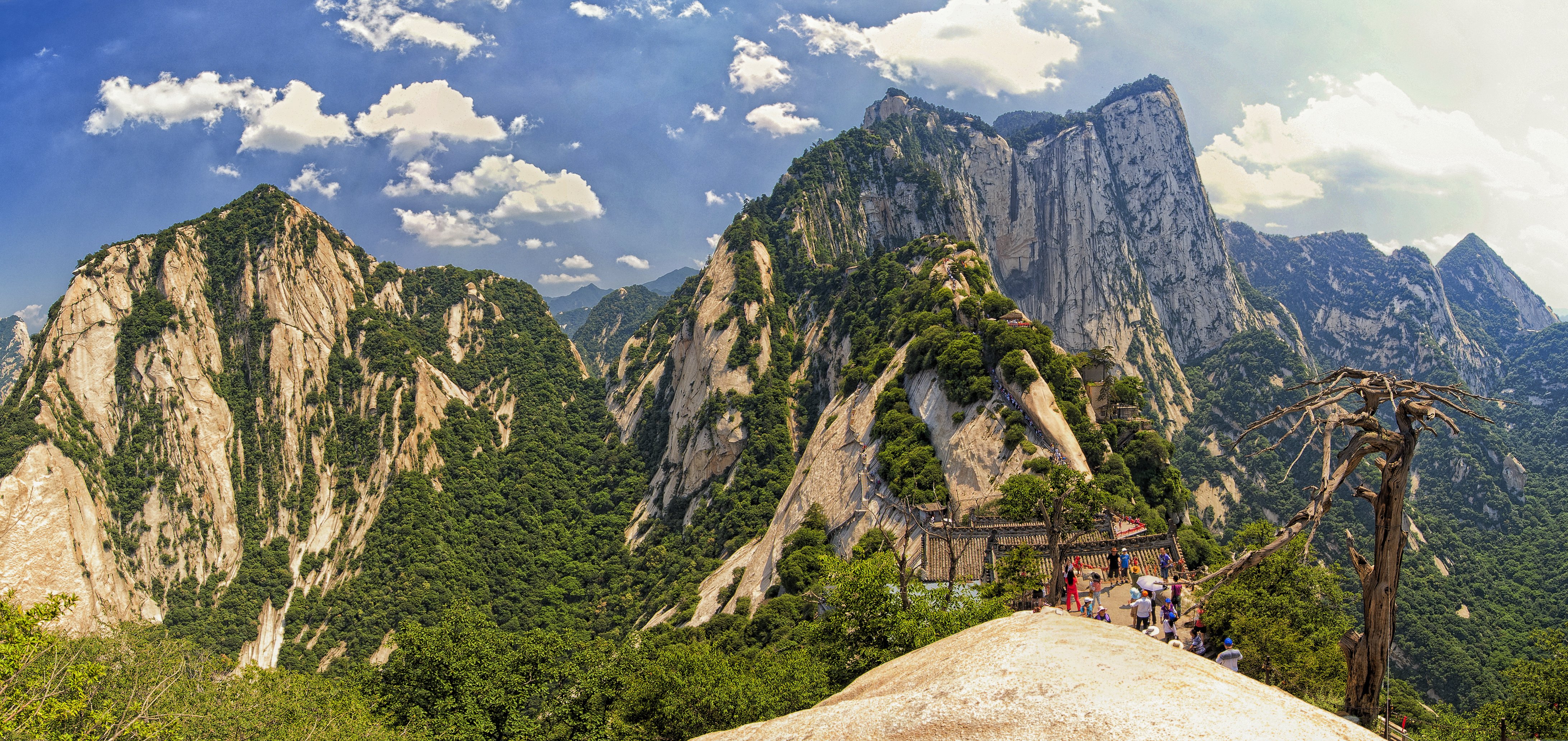
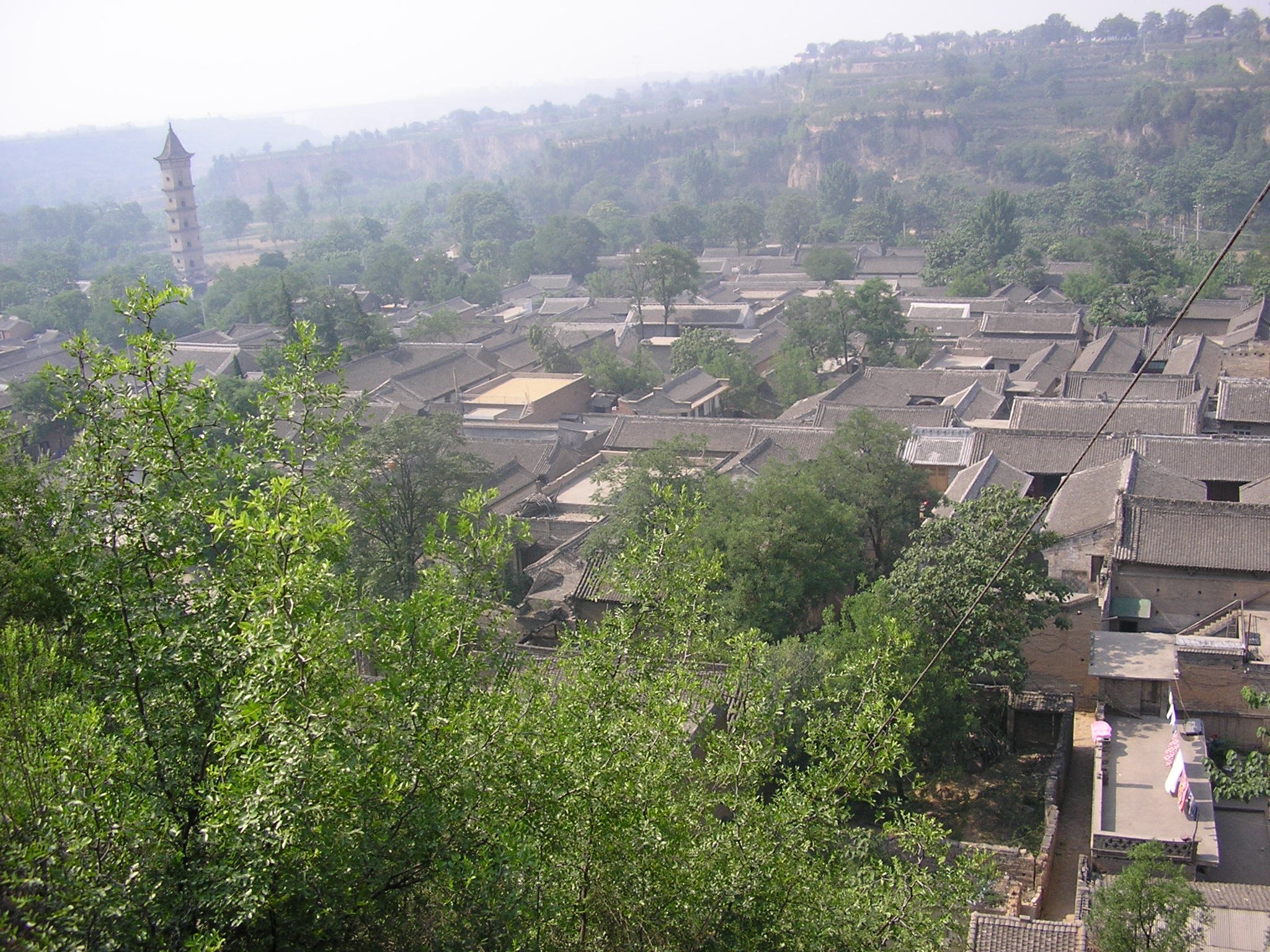
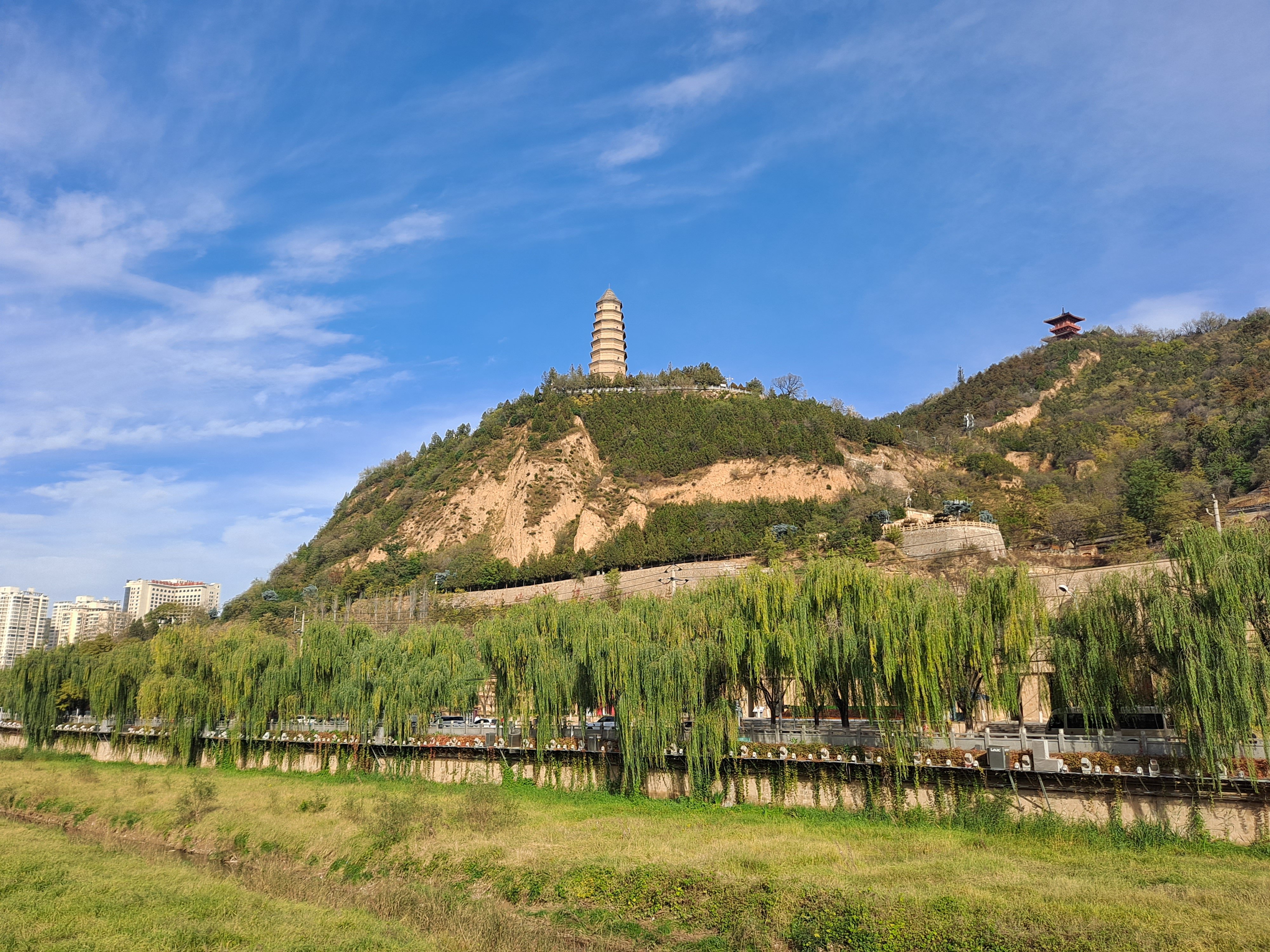
The rest of the province deserves more attention than it gets. Mount Hua (Huashan), east of Xi'an, has precipitous cliff paths that are among the most terrifying and rewarding hikes in China. The Yan'an Pagoda in the north was the Communist Party's wartime capital; the cave dwellings where Mao and others lived and planned are still there.