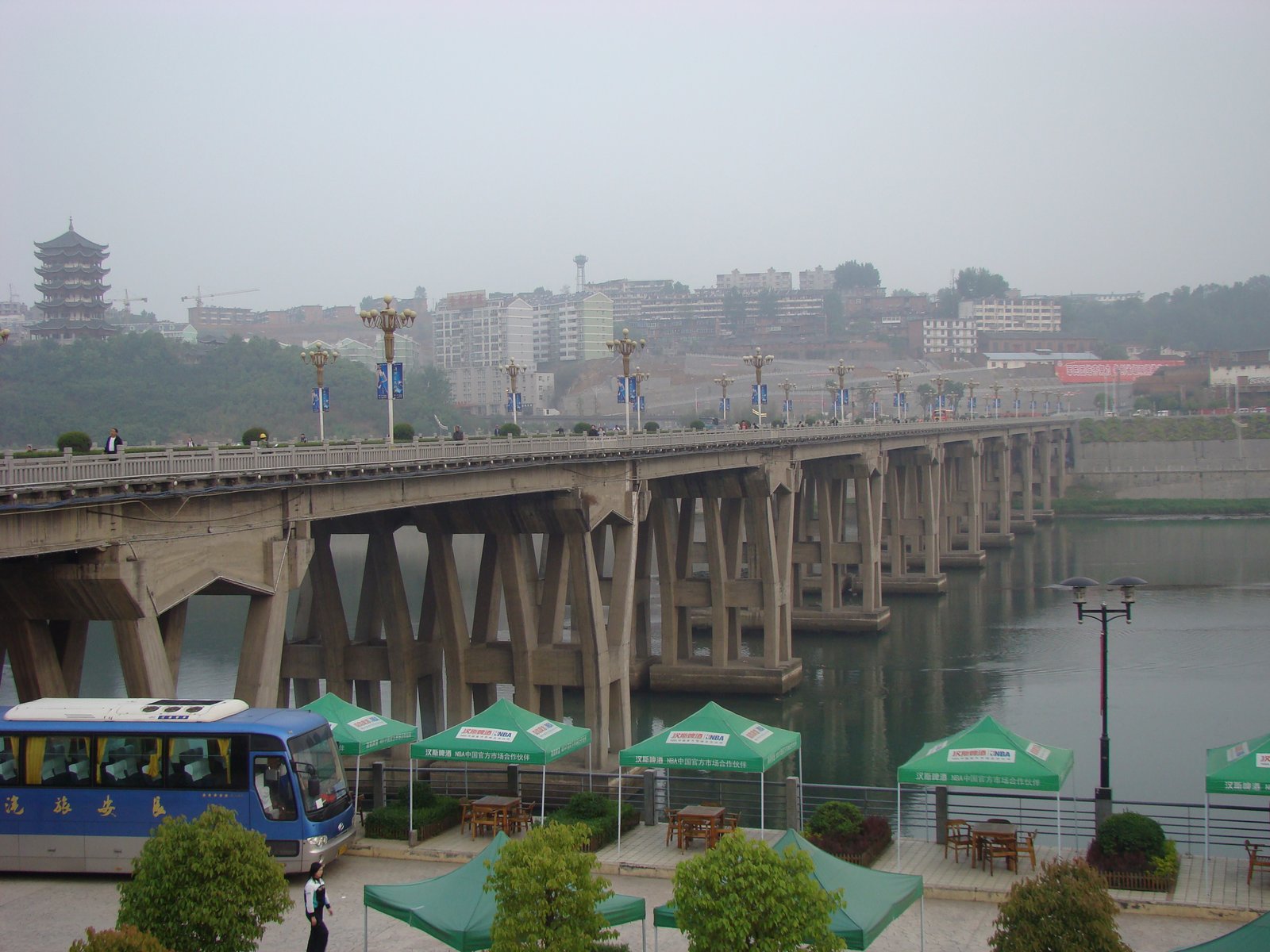
Ankang sits on the Han River in the deep south of Shaanxi, in the Qinba mountain region where the Qinling range drops toward the subtropical zone. The city has a mild climate by Shaanxi standards, and its surrounding countryside is among the most biodiverse in the province — the Qinling Mountains form one of the major north–south biodiversity boundaries in China, and the slopes around Ankang are habitat for giant pandas, golden snub-nosed monkeys, and crested ibises, the last of which has one of its last surviving wild populations in this area.
The Qinling Mountain scenery in the Ankang area is sustained and genuinely dramatic: river gorges, heavily forested ridges, and traditional villages that see few outside visitors. Yinghu Lake, created by the Ankang dam on the Han River, is the centre of a modest water-based tourism industry, with boat trips and lakeside accommodation. Nangong Mountain offers cool mountain hiking with views across the Qinba ranges, and Shuhe Ancient Town preserves Qing dynasty merchant-house architecture.
Ankang's history is periodically interrupted by catastrophic floods; the Han River here is prone to surges during summer rains, and the city has been destroyed and rebuilt multiple times. This impermanence has not left a great deal of historic architecture, but the local culture — language, food, craft — has its own distinct character, influenced by both the northern Shaanxi and the more southerly Sichuan traditions.
The city has an airport with connections to Xi'an and other major centres. High-speed rail links Xi'an to Ankang in about ninety minutes. It is the base for exploring the Qinba mountain region, which rewards travellers interested in wildlife and mountain scenery over historical monuments.