Cyprus is the third-largest island in the Mediterranean — Greek in character in the south, Turkish in the north, and divided since 1974. The division is the defining fact of modern Cyprus and the first thing any traveler needs to understand: roughly 37% of the island is administered by Turkish Cyprus (the Turkish Republic of Northern Cyprus, recognized only by Turkey), while the Republic of Cyprus controls the south and is a member of the European Union.
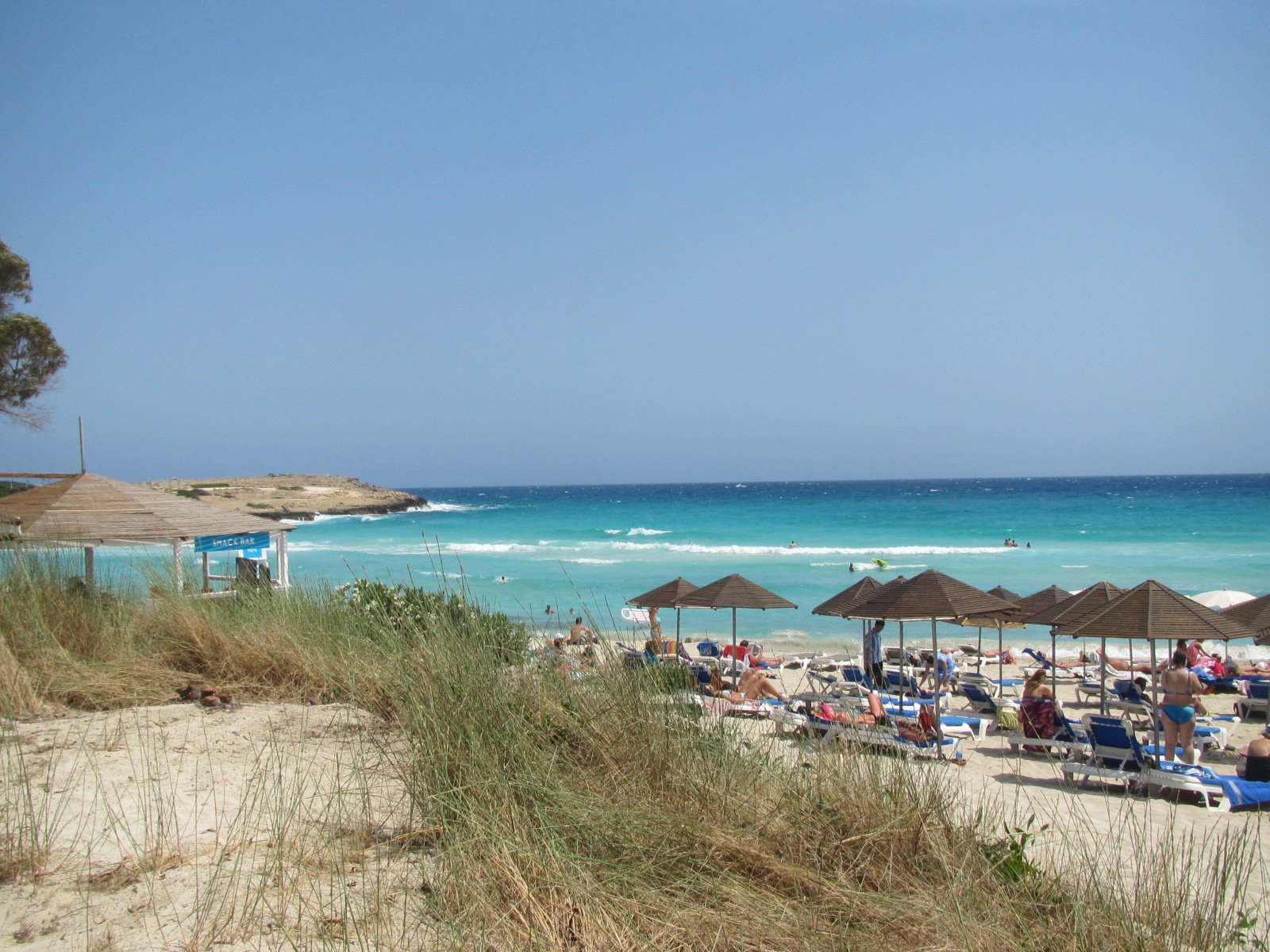
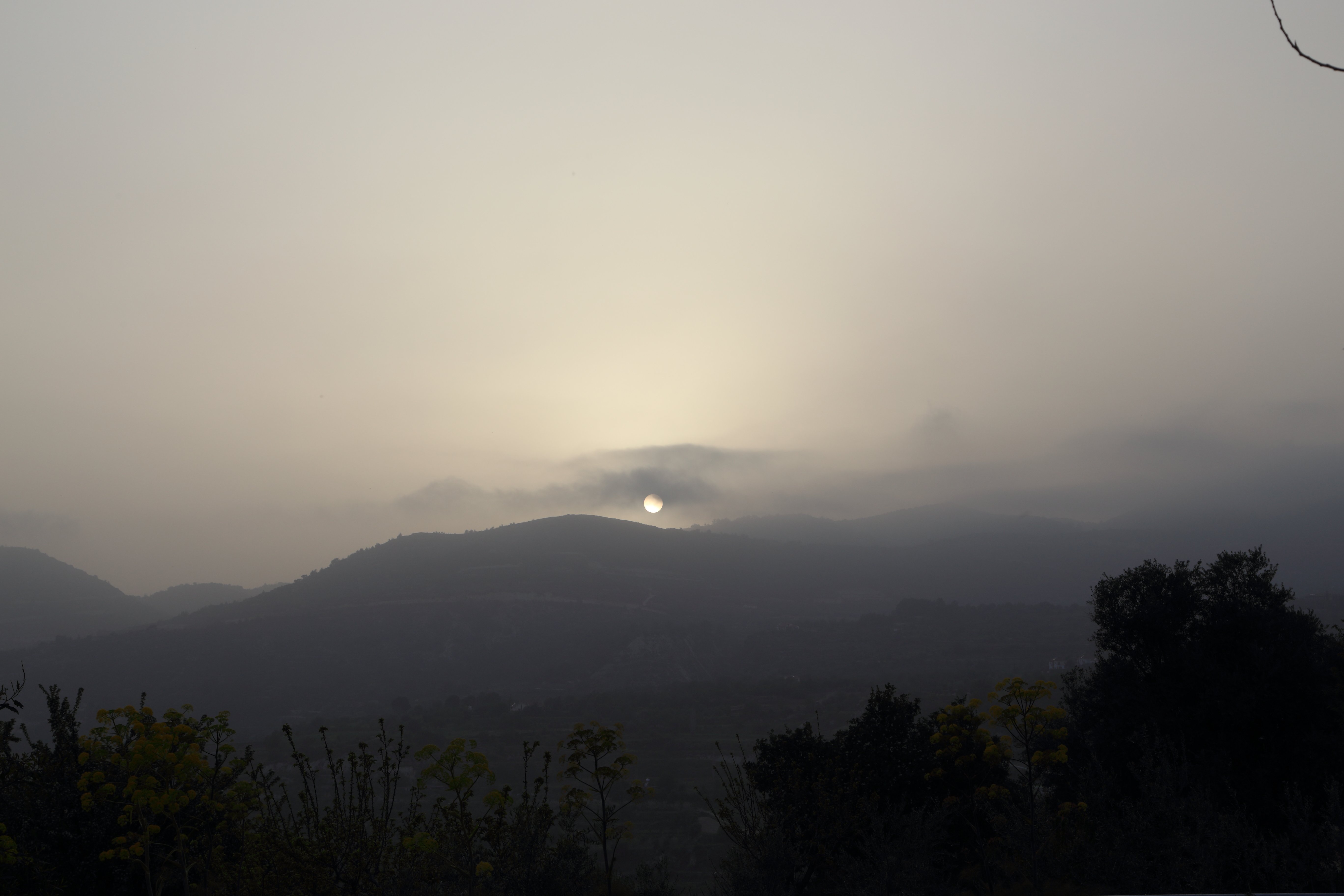
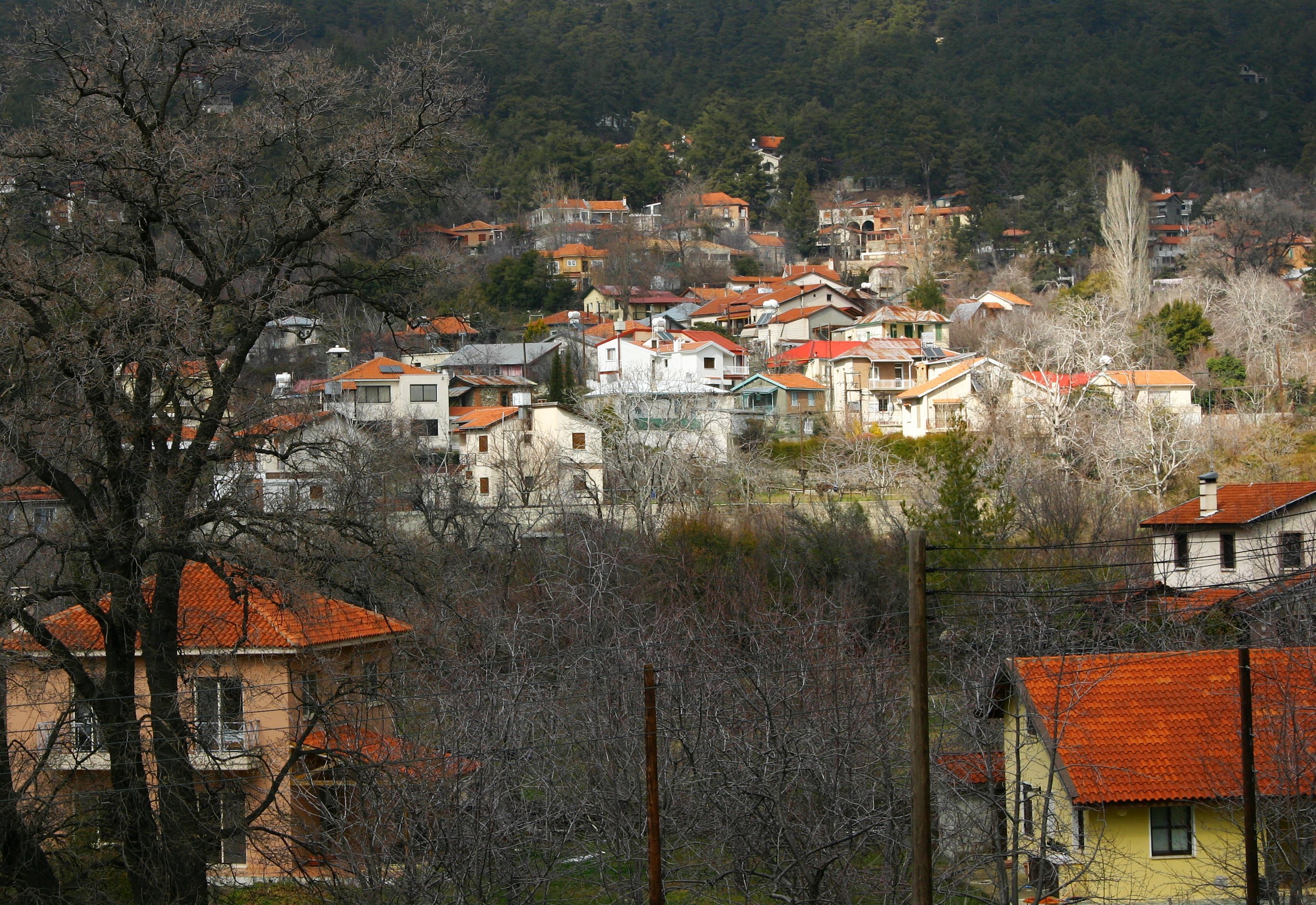
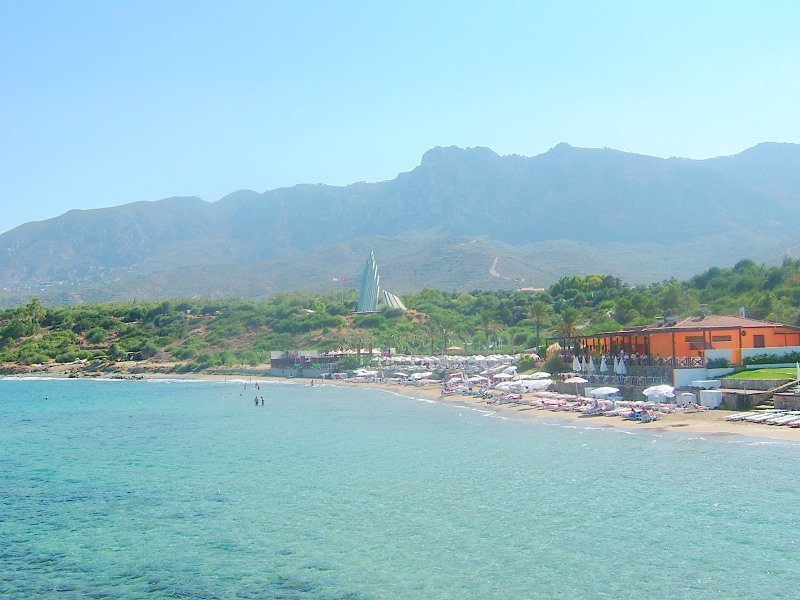
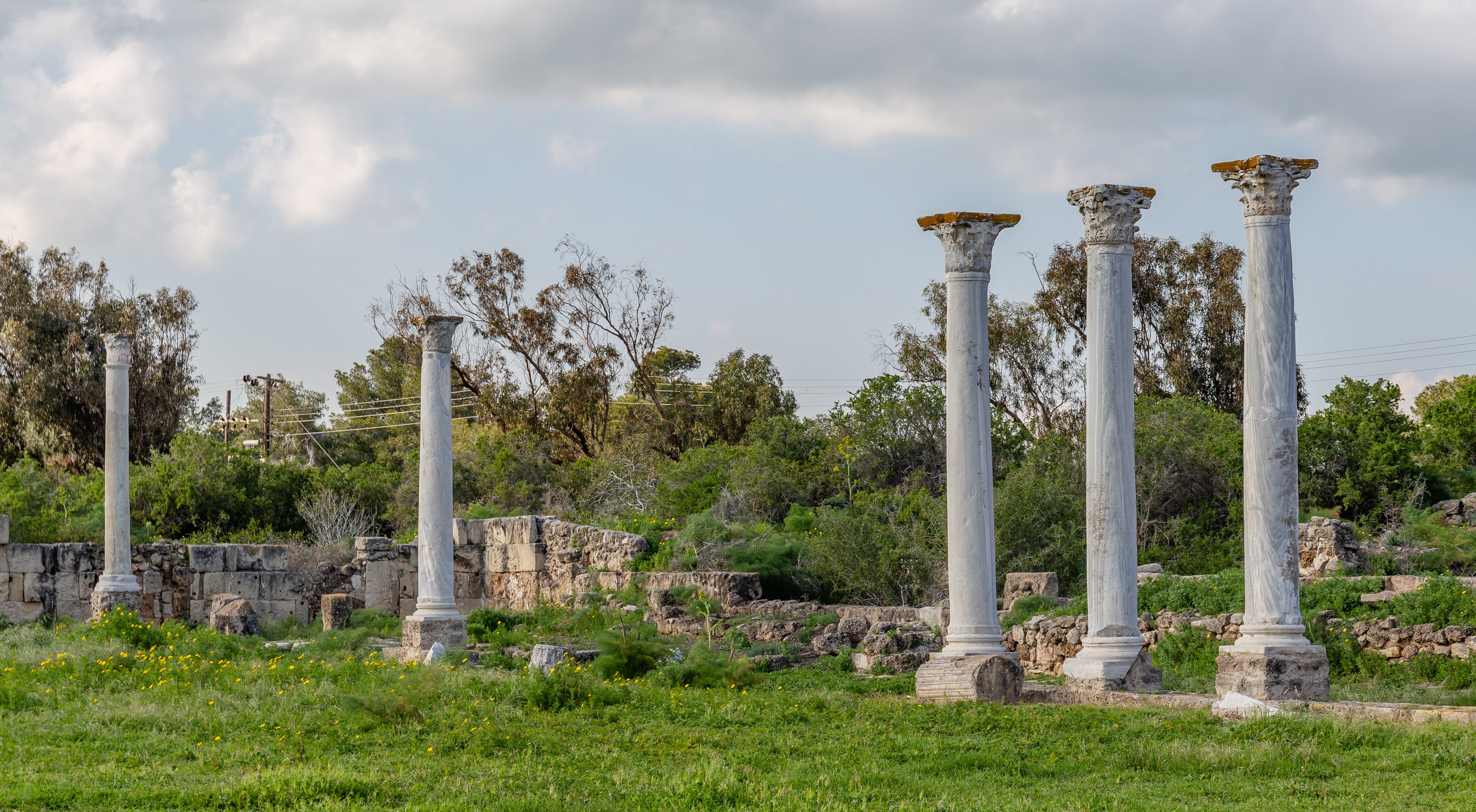
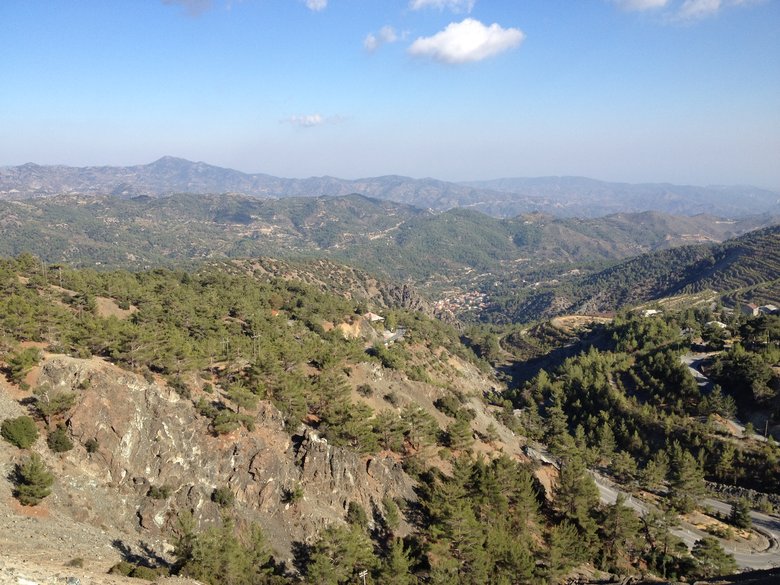
The island is genuinely beautiful. The Troodos Mountains rise to over 1,900 meters and hold a scatter of Byzantine painted churches — many UNESCO-listed. The coastline ranges from wild turtle-nesting beaches on the Akamas Peninsula to the packed resort strips of Ayia Napa. Roman mosaics at Paphos and the ruins of Kourion rank among the best archaeological sites in the eastern Mediterranean.
Winters are mild and sunny. Summers are extremely hot — 40°C inland is not unusual in July and August. The island comes alive in spring, when wild flowers cover the hillsides and temperatures are comfortable for walking.
Destinations
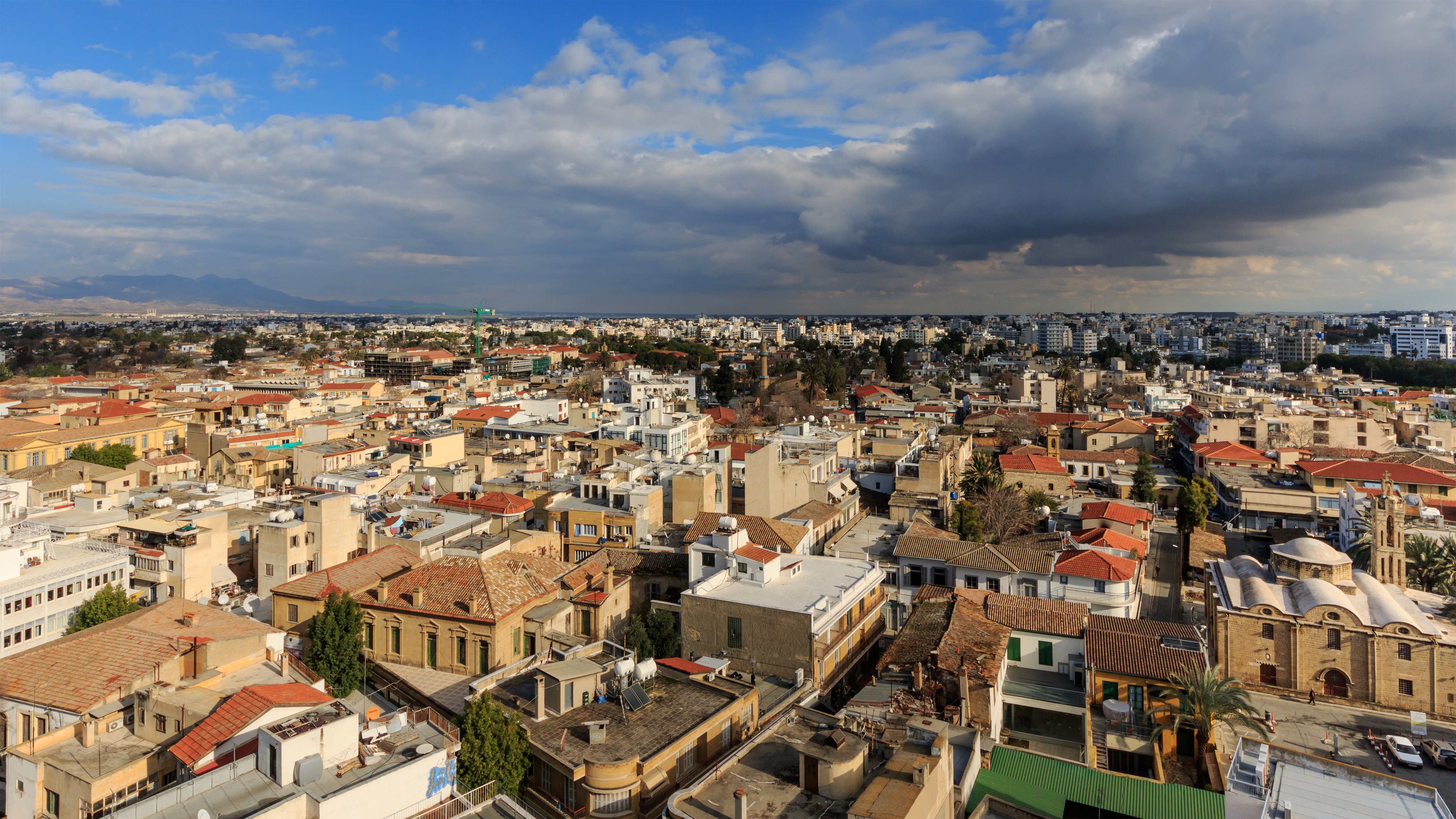
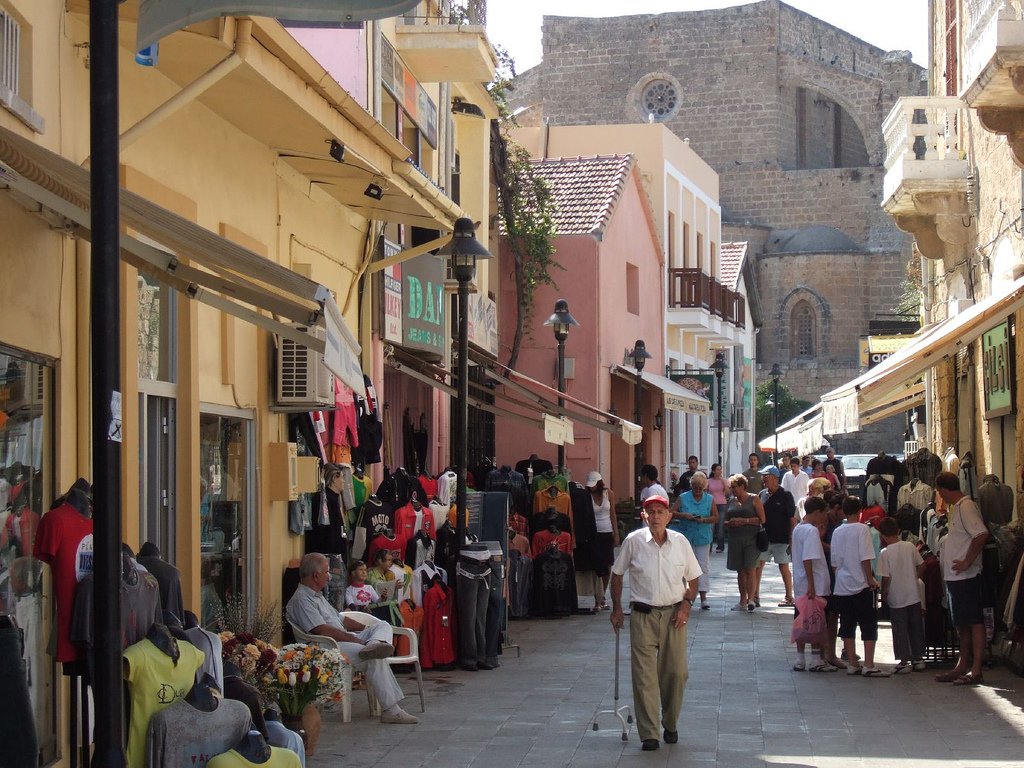
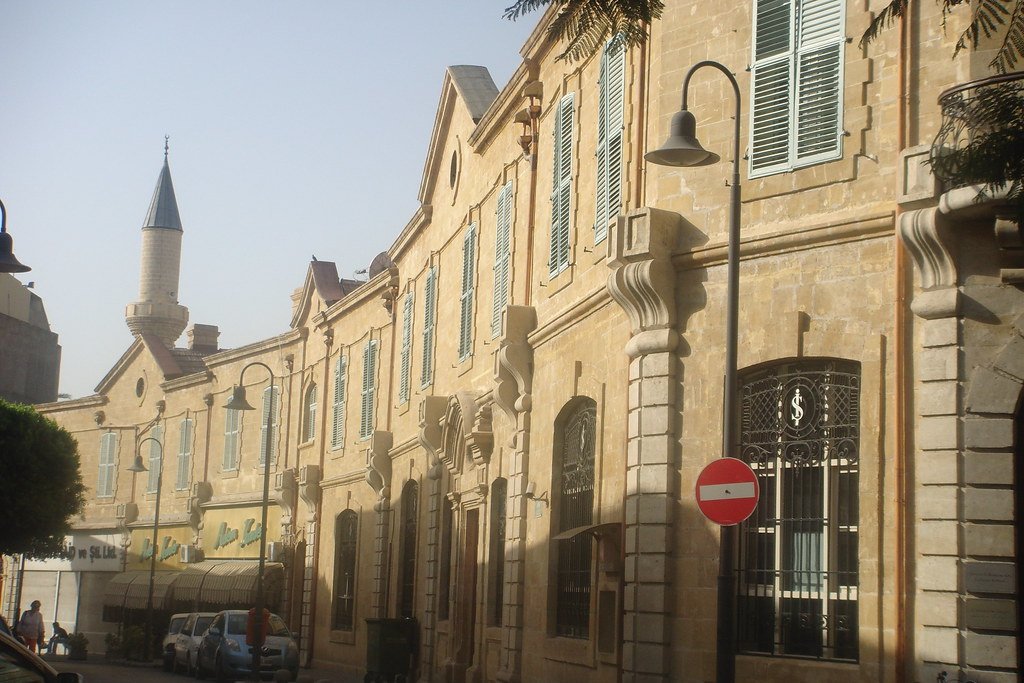
- Nicosia — the divided capital, part Greek, part Turkish, with a walkable old city and the only divided capital in the world
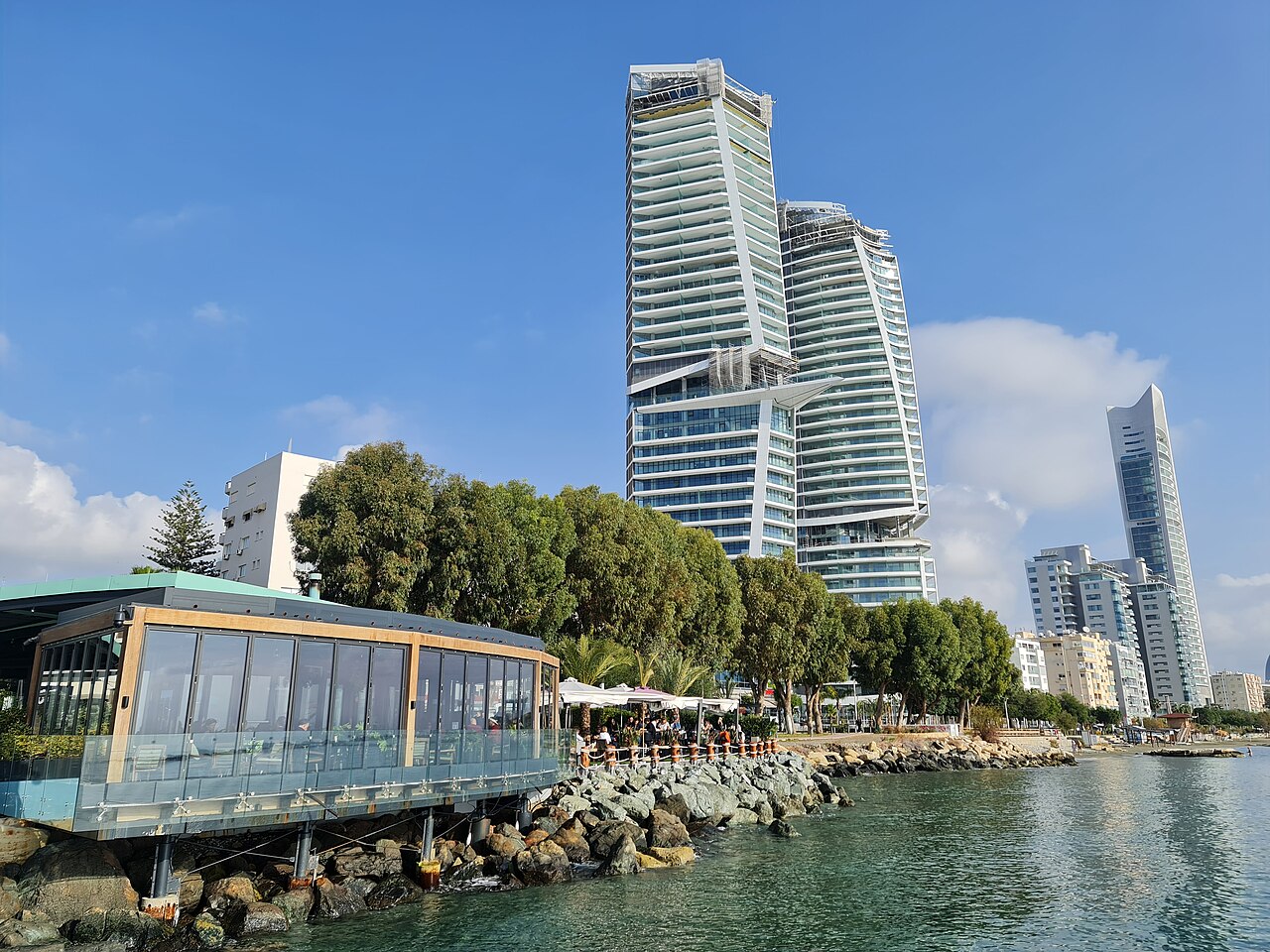
- Limassol — the main port and commercial hub, with a lively waterfront and Cyprus's wine country nearby
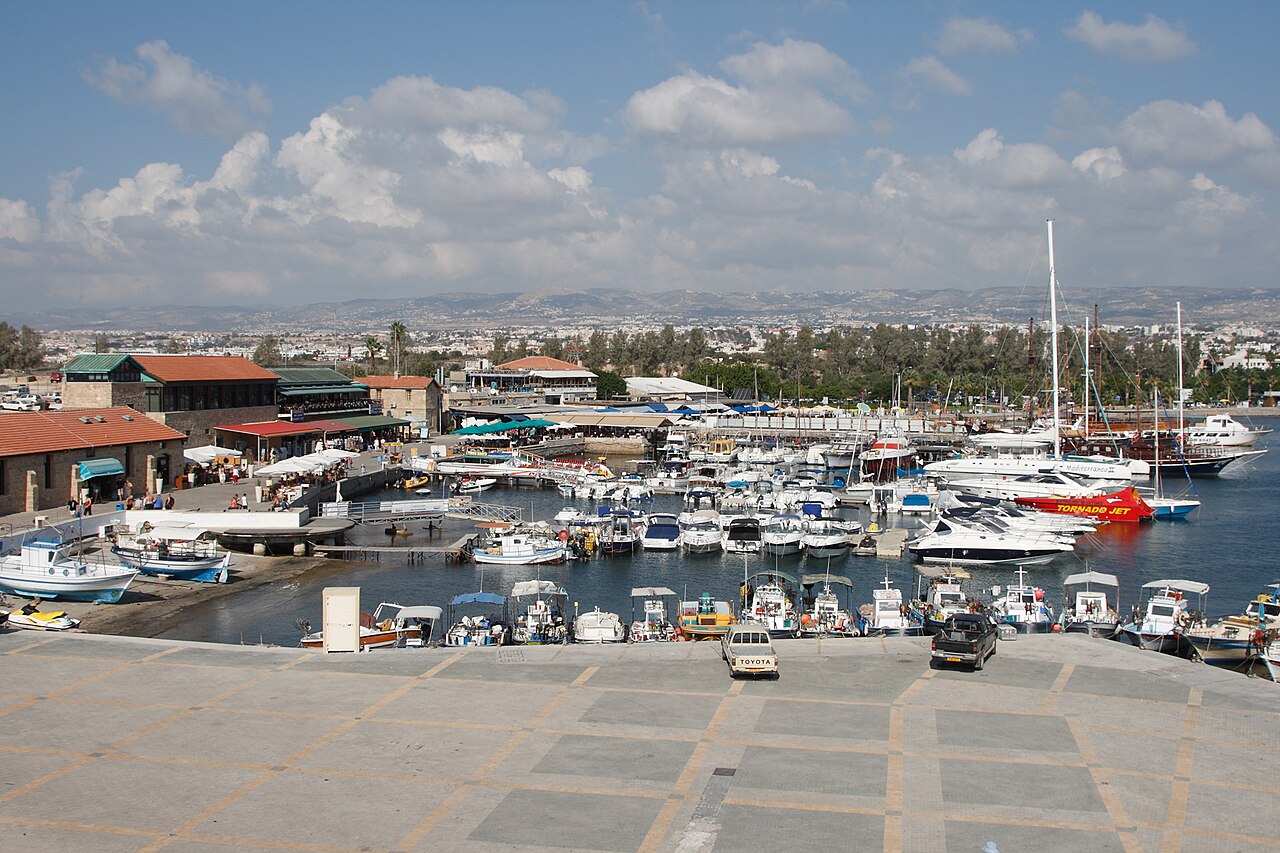
- Paphos — UNESCO mosaics, ancient harbour, and the legend of Aphrodite's birthplace
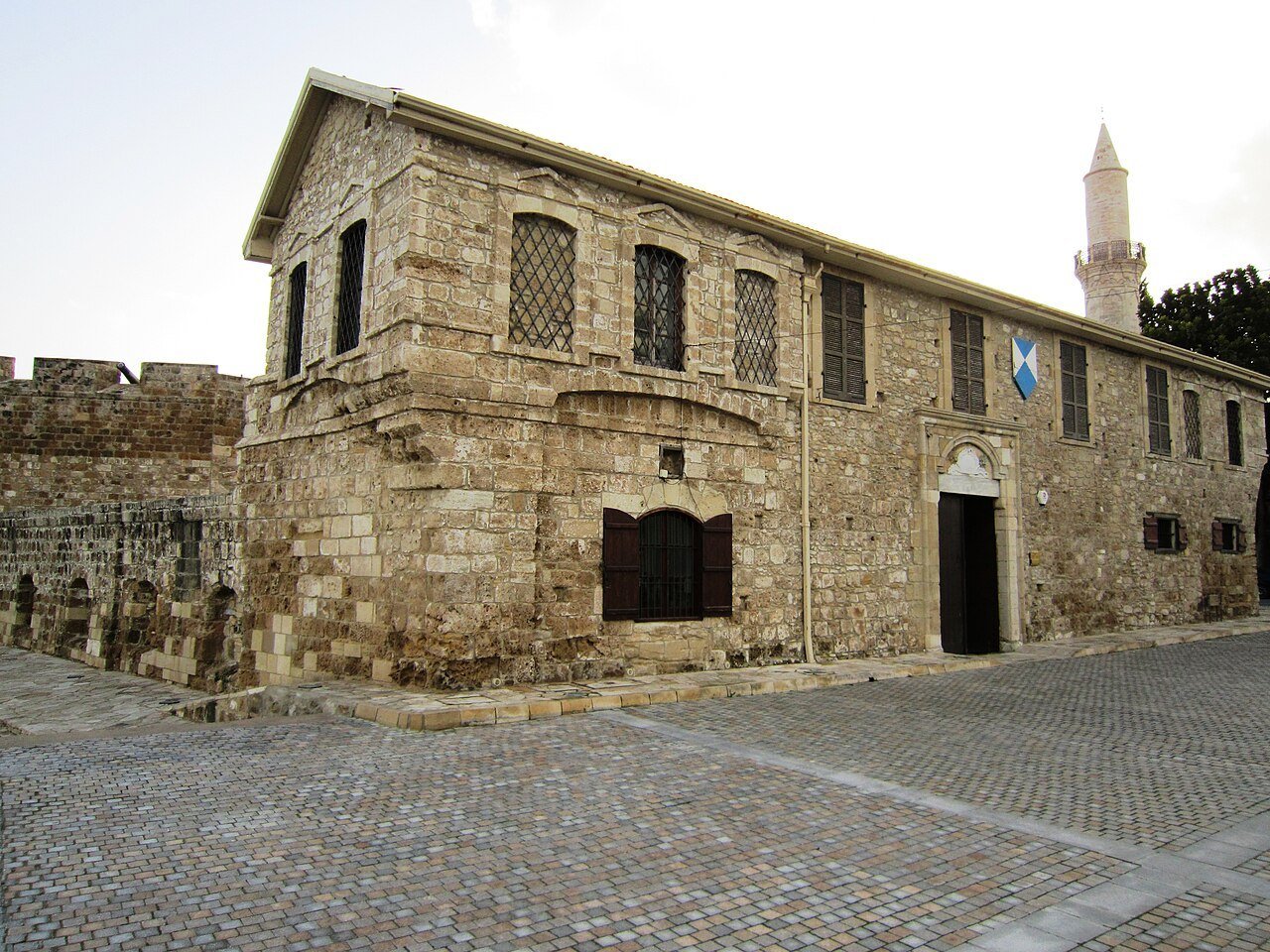
- Larnaca — the main entry point for most visitors, with the main international airport
- Ayia Napa — famous beach resort; hedonistic in summer, quieter out of season
- Kourion — spectacular clifftop ruins with a restored Roman theatre
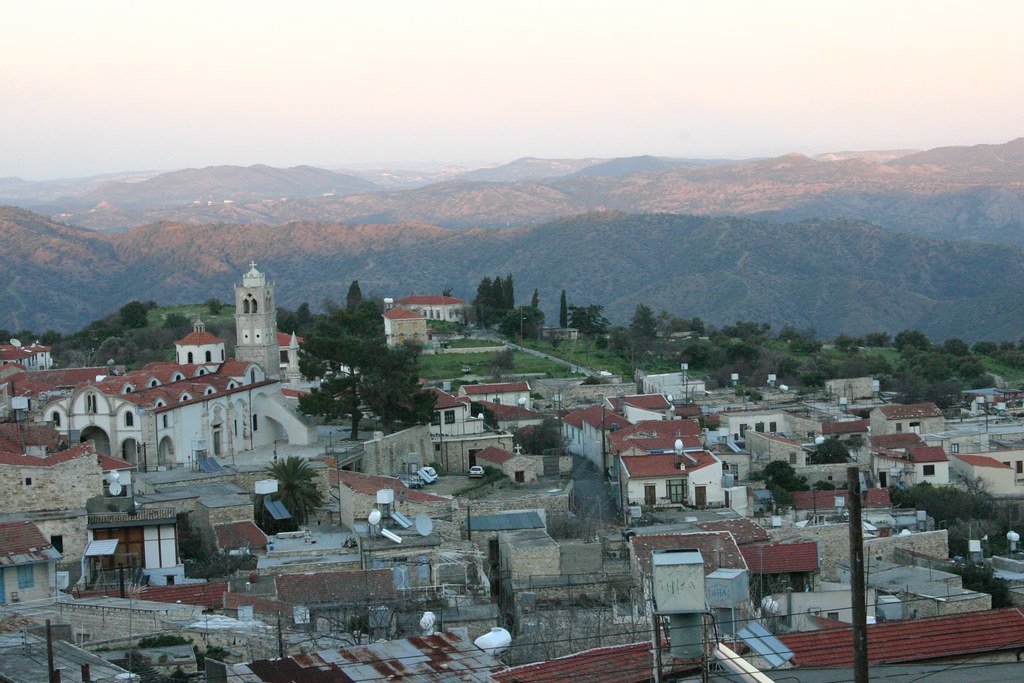
- Lefkara — hill village renowned for lace and silver
- Northern Cyprus — Kyrenia, Famagusta, Bellapais, and Salamis; a different world, accessed through the Green Line