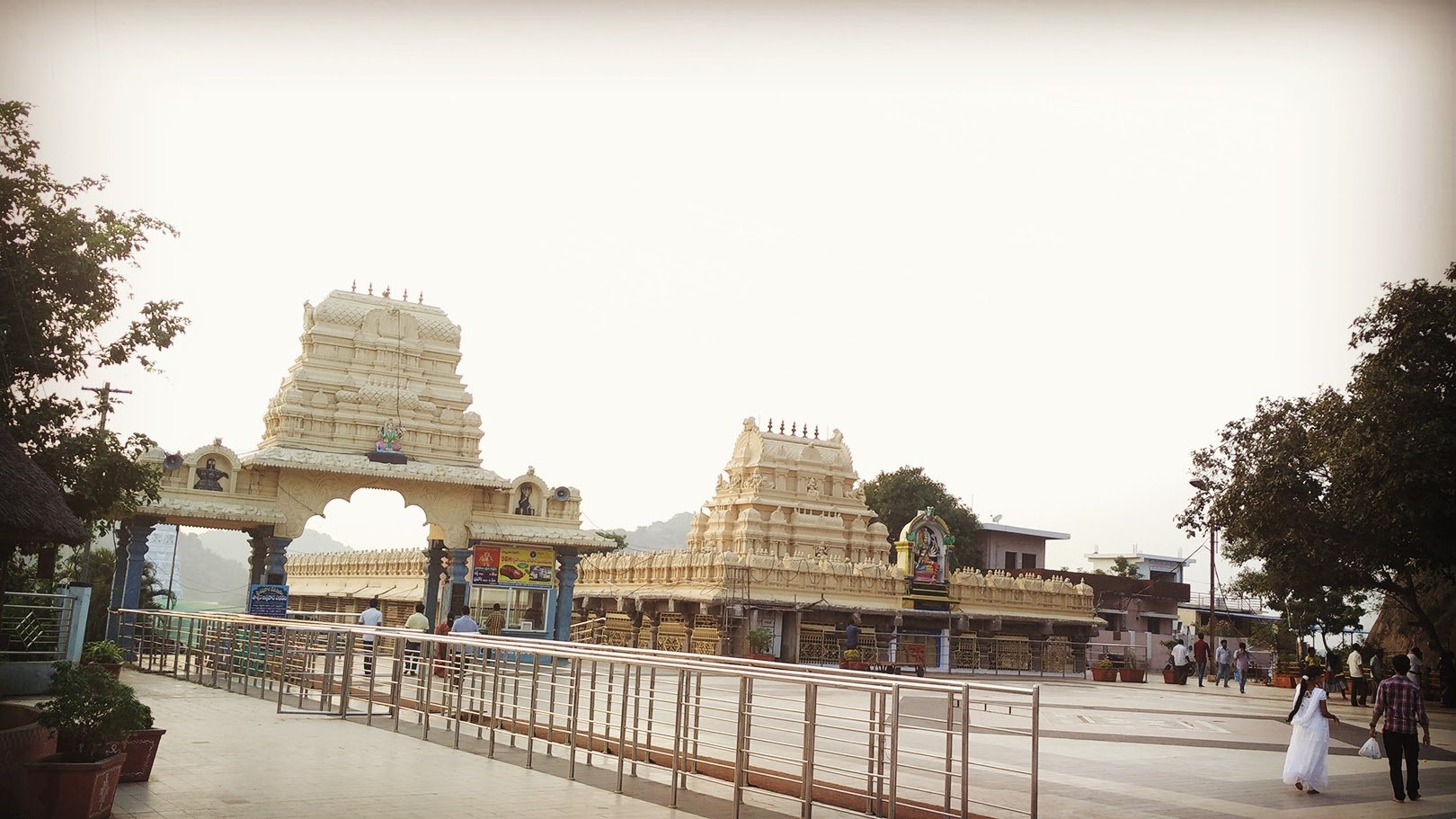
Warangal is the most important historic city in the Telangana region, once the capital of the Kakatiya dynasty that ruled much of the Deccan from the 12th to 14th centuries. The Kakatiyas were devoted Shaivites, and the temples they built — particularly at Ramappa and Hanamkonda — are among the finest examples of medieval South Indian architecture, with intricately carved pillars and bracket figures that rival anything in Karnataka or Tamil Nadu.
The Ramappa Temple, about 70 km northeast of the city, earned UNESCO World Heritage status in 2021 for its remarkable sculptural programme and innovative engineering — the roof is built with bricks so light they float on water. Closer to town, the Thousand Pillar Temple at Hanamkonda and the remains of Warangal Fort, with its massive stone ceremonial gateways, hint at how powerful this kingdom once was. The Bhadrakali Temple on its hilltop lake was the tutelary shrine of the Kakatiya kings and remains one of the most active pilgrimage sites in Telangana.
Modern Warangal is a busy trading city and one of Asia's largest grain markets, dealing in fine rice, red chillies, and cotton. The Kakatiya heritage, however, is the reason to come — a day or two exploring the temples and fort ruins is well worth the detour from Hyderabad, about three hours to the southwest.