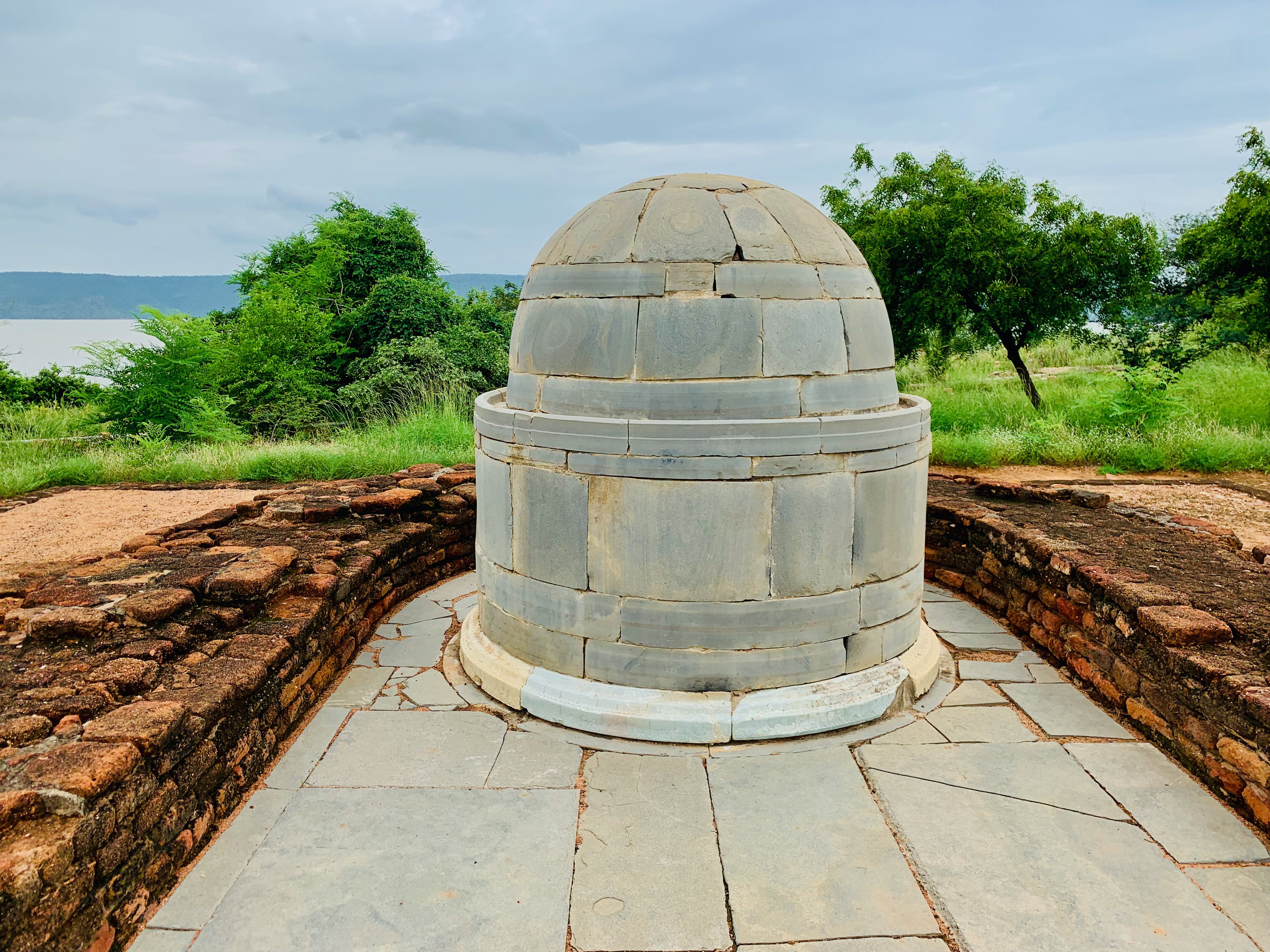
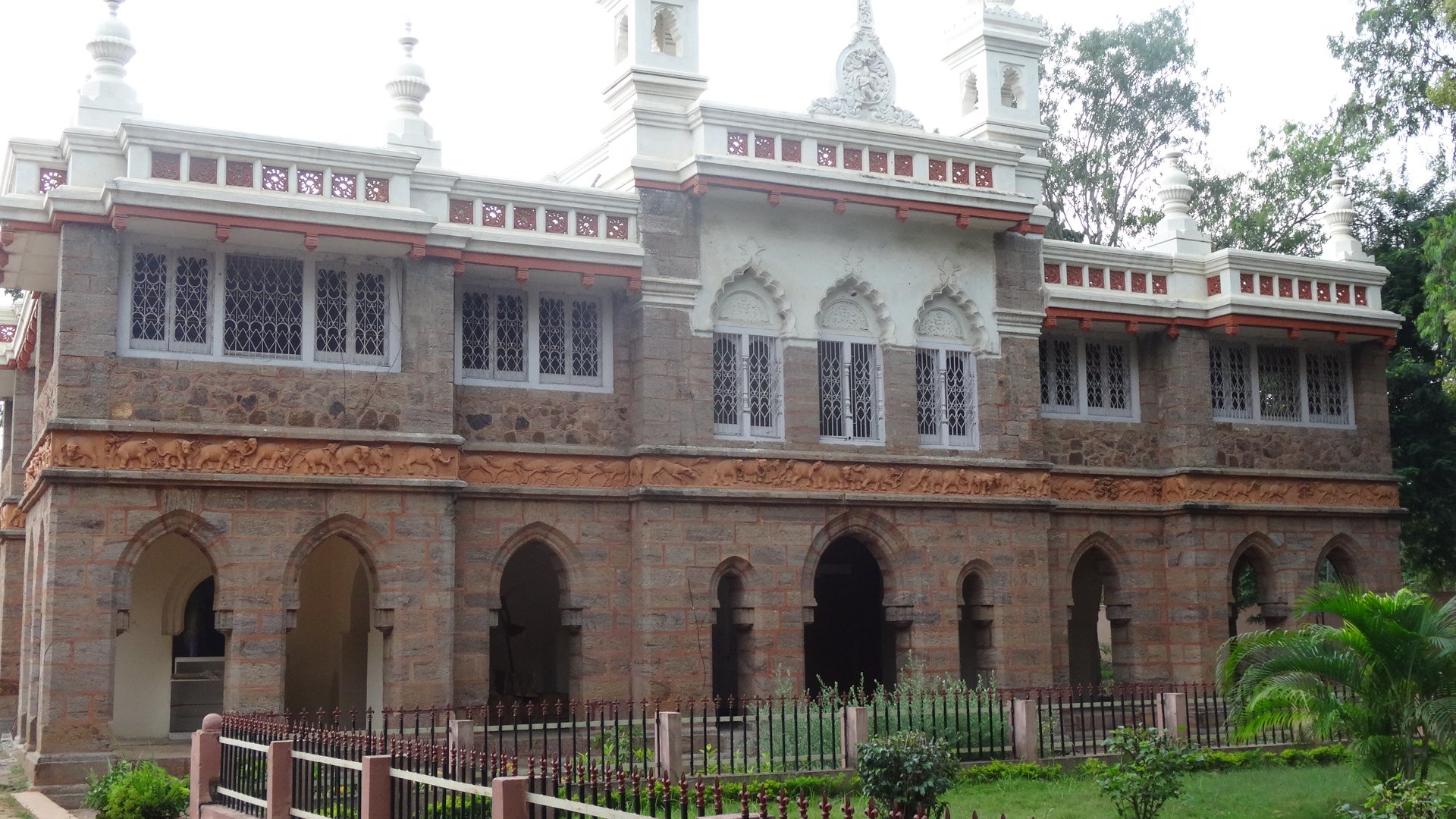
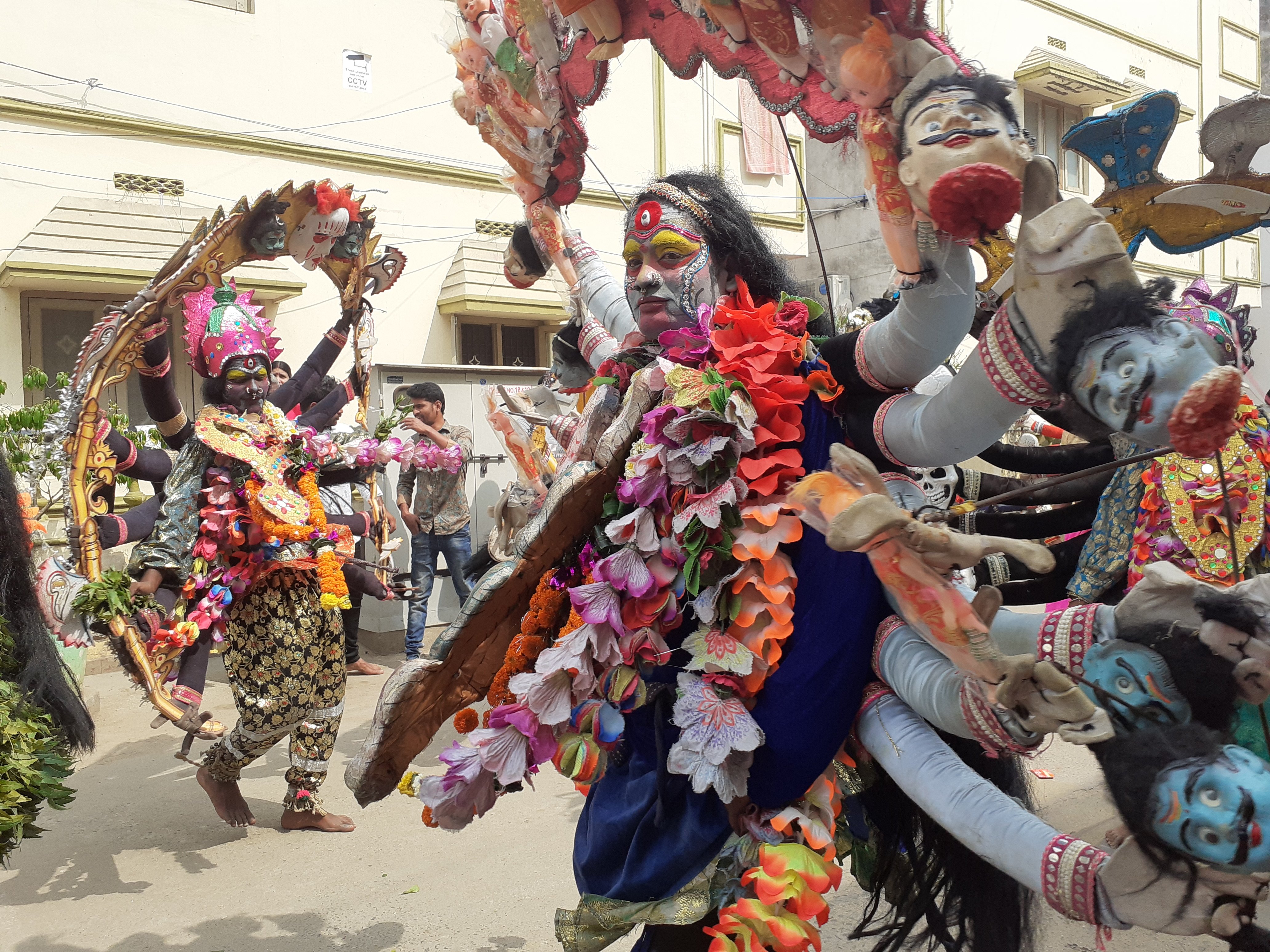
Andhra Pradesh is the rice bowl of peninsular India, a vast state irrigated by the Krishna and Godavari rivers, where the dry Deccan plateau in the northwest gives way to a long, fertile coastal plain. Most travellers pass through without slowing down — which is their loss. The state has real depth: medieval fort towns, one of the world's great Buddhist archaeological sites at Nagarjunakonda, and the extraordinary temple complex at Tirumala, which draws more pilgrims annually than almost any site on earth.
The undisputed draw is Hyderabad, a city that wears its dual Hindu-Muslim heritage with genuine ease. Wander through the lanes around the Charminar and you're in a world of pearl traders, bangle sellers, and biryani restaurants that have been in business for generations. The Nizam-era architecture is grand and slightly crumbling in all the right ways. Golconda Fort, a short drive from the city, stages a nightly sound-and-light show that is actually worth attending.
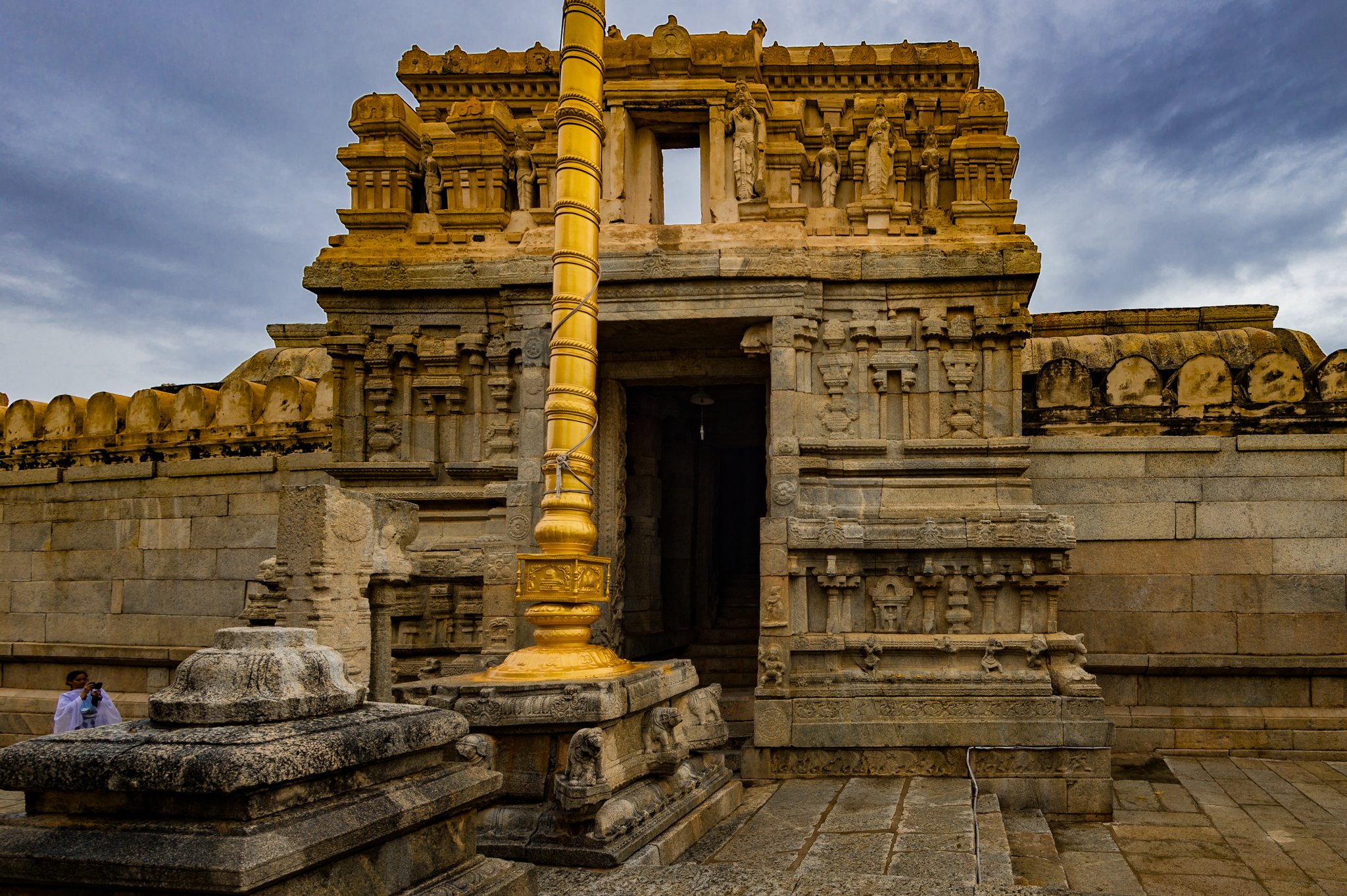
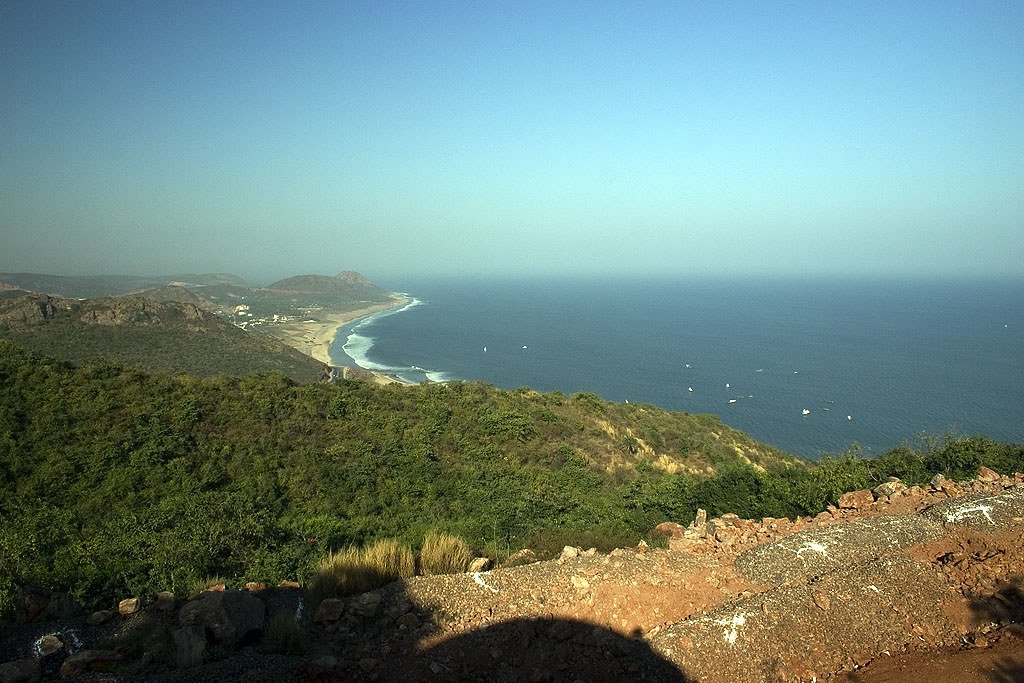
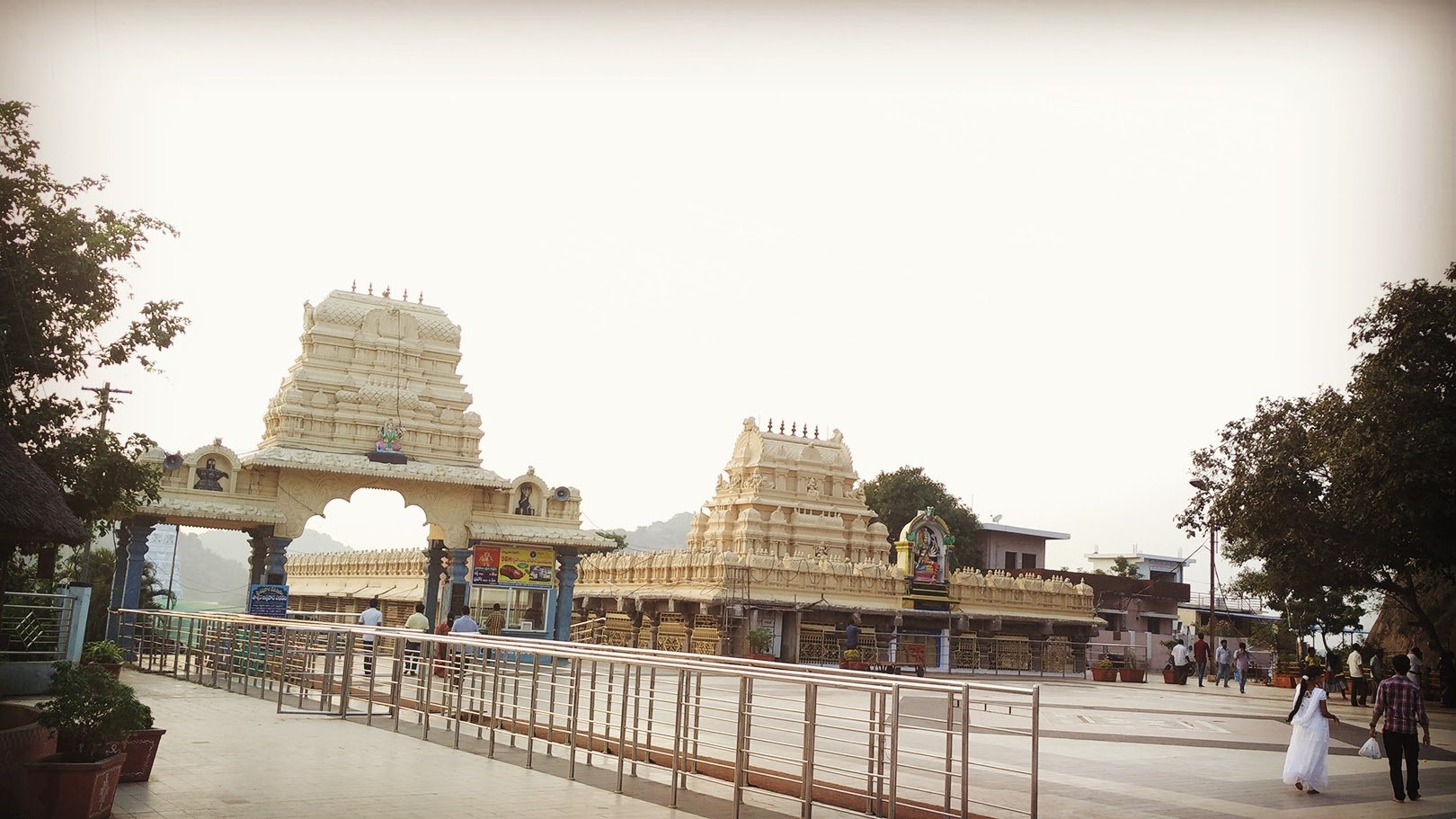
Beyond Hyderabad, the state offers the kind of travel that feels like discovery. Warangal has a thousand-year-old Kakatiya fort and temple complex that few tourists bother to visit. The coastal town of Visakhapatnam has good beaches and a sub-base museum. Tirupati in the south draws tens of thousands of pilgrims daily to the Venkateswara temple — a spectacle of devotion unlike anything else in India.
Andhra Pradesh is also the source of some of India's most distinctive handicrafts. Kalamkari vegetable-dyed textiles from Machilipatnam, Pochampally ikkat silks, and Hyderabad pearls are all worth seeking out. And the food — fiery Andhra curries, slow-cooked Hyderabadi biryani, and the remarkable variety of rice dishes along the coast — is reason enough to linger.