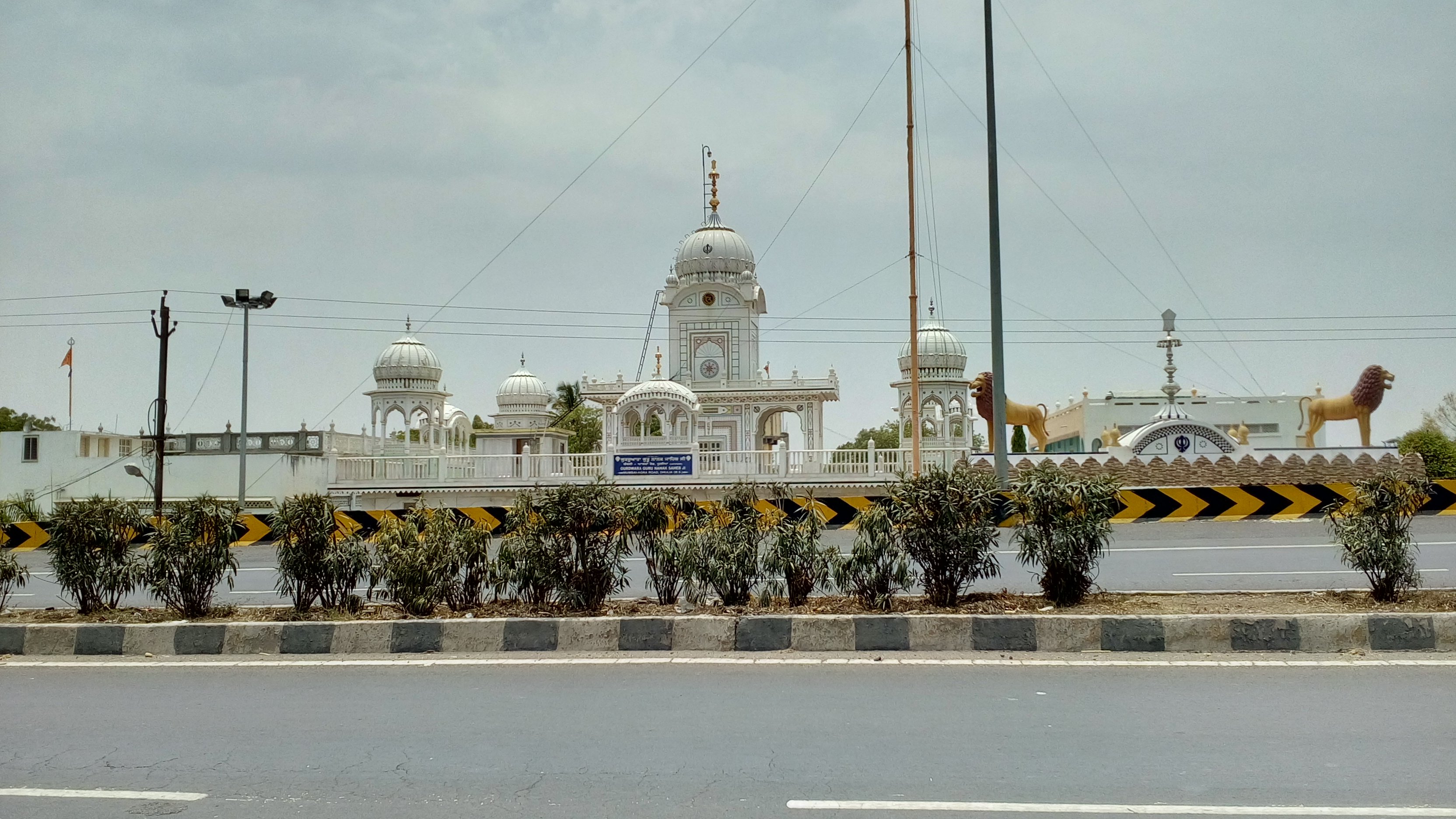
Northern Maharashtra city at major highway crossroads, with nearby pilgrimage fairs and historic forts.
Dhule is a city in the northern part of Maharashtra, about 340km north-east of Mumbai, close to the border with Gujarat. It sits at the convergence of three major national highways — the junction of NH-3 (Mumbai–Agra), NH-6 (Surat–Nagpur), and NH-211 — which has historically made it an important commercial hub. The climate is hot and dry, with temperatures reaching 45°C in summer.
The city itself is a working district headquarters rather than a tourism destination, but the surrounding area has interest. The Sarangkheda pilgrimage site on the Tapi river draws large numbers of visitors during its annual fair on Margashirsha Pournima, and Sarangkheda's horse fair in November–December is one of the largest in India. Within Dhule, the District Museum covers the Khandesh region's archaeology and history, and the Tapi river ghats are active at festival time. Nearby forests once sheltered large numbers of wildlife; today the area is known for bauxite deposits and cotton production.
Guide
Getting There
Dhule sits at the crossroads of three National Highways: NH-3 (Mumbai–Agra), NH-6 (Surat–Nagpur), and NH-211 (Dhule–Solapur). By road, it is about 340km north-east of Mumbai via NH-3 through Nashik and Malegaon, and 350km north of Pune.
The nearest railhead is Chalisgaon Junction, 55km away on the Mumbai–Delhi/Howrah mainline, from where regular bus and taxi services run to Dhule. The nearest major airports are Aurangabad (150km) and Mumbai (325km).
Guide
When to Go
Dhule has a hot semi-arid climate. Summers (March–June) are extremely hot, with temperatures regularly exceeding 42°C — the city regularly ranks among Maharashtra's hottest. The monsoon arrives in late June and lasts through September, bringing relief but also heavy rain that can flood low-lying areas.
The best time to visit is October through February, when temperatures are mild — typically 12–28°C — and the skies are clear. November and December are peak months for the Sarangkheda horse fair, which draws buyers from across India and is one of the most distinctive events in the region. The Margashirsha Pournima pilgrimage at Sarangkheda falls in November or December (date varies by lunar calendar) and brings large crowds.