Mumbai is India's commercial and financial capital, a city of roughly 20 million people built on a peninsula that juts into the Arabian Sea. It was the British-era Bombay — a name still in common use — and the transformation from colonial port to global megacity happened faster here than almost anywhere. The result is a city of extremes: extraordinary wealth alongside Dharavi, Art Deco apartments along Marine Drive beside Victorian Gothic railway stations, a cosmopolitan energy that makes it feel like no other city in India.
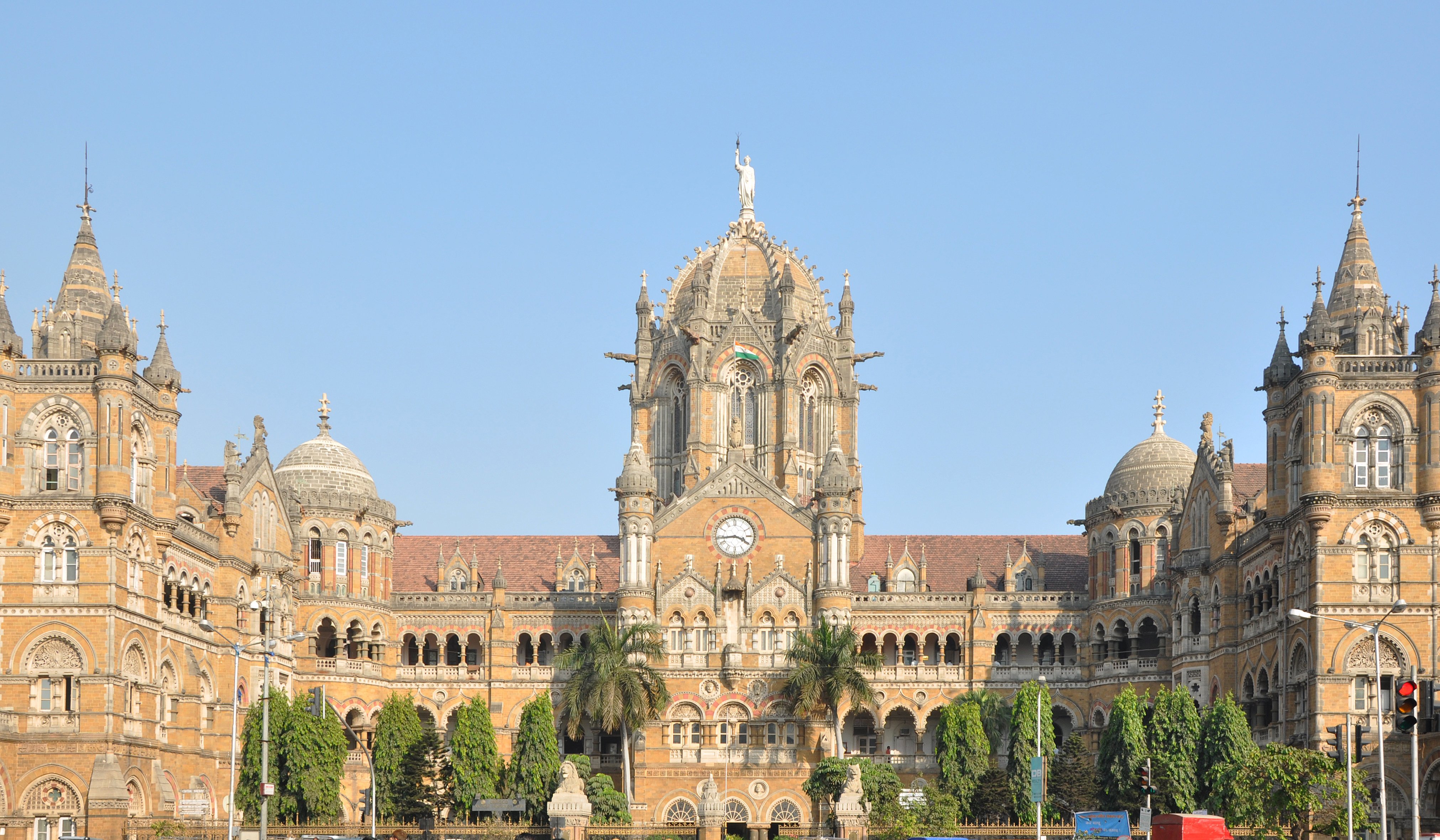
The southern tip, in Colaba and the Fort area, rewards slow exploration. The Gateway of India on the waterfront, the Gothic Revival bulk of Chhatrapati Shivaji Maharaj Terminus, and the Chhatrapati Shivaji Maharaj Vastu Sangrahalaya are all within walking distance of each other. The Elephanta Caves — UNESCO-listed rock-cut Hindu temples on an island in the harbour — make for an excellent half-day trip.
Further afield, the ancient Banganga Tank on Malabar Hill, the Zoroastrian Tower of Silence in its 54-acre forest, and the striking basalt monolith of Gilbert Hill in Andheri are all worth seeking out. Dhobi Ghat near Mahalaxmi is one of the most extraordinary urban sights in India — the world's largest outdoor laundry, best viewed from the bridge above.
Mumbai's food is among the most varied in India — street food from the city's many communities, Konkan coastal seafood, and a restaurant scene that spans everything from no-menu thalis to high-end tasting menus. The fashionable neighbourhood of Bandra in the western suburbs has the best concentration of restaurants outside South Mumbai.